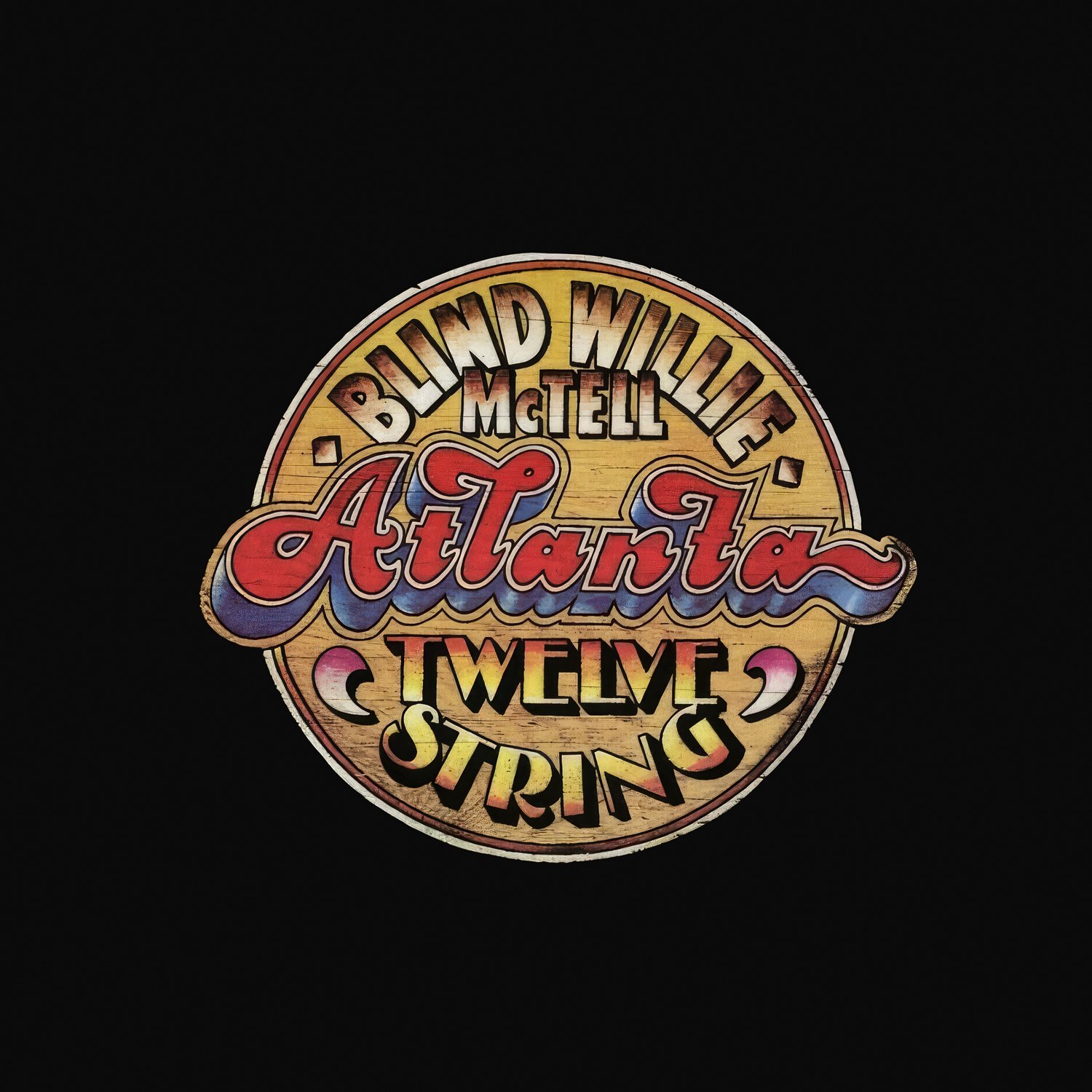
| Blind Willie McTell |
Piedmont Blues / Ragtime-infused Blues / Gospel Blues |
Single-string guitar (fingerp
Blind Willie McTell’s Musical Style and Signature Contributions to Blues
Blind Willie McTell’s guitar playing and songwriting redefined the boundaries of blues music, fusing Delta and Piedmont traditions with ragtime rhythms and gospel-infused storytelling. His fingerpicking technique, intricate chord progressions, and emotive slide guitar work created a distinct sound that influenced generations of musicians, from Bob Dylan to Ry Cooder. Unlike his contemporaries, McTell’s music transcended regional blues categorization, blending technical precision with raw emotional expression. His ability to weave complex narratives into minimalist blues structures set him apart, leaving an indelible mark on American folk and roots music.
McTell’s musical innovations were not confined to guitar virtuosity; his lyrical depth and vocal phrasing elevated blues beyond its traditional role as protest or personal lament. His songs often explored themes of betrayal, resilience, and spiritual redemption, delivered through a voice that oscillated between gruff intensity and tender vulnerability. This duality—technical mastery and emotional rawness—cemented his legacy as a pioneer who bridged the gap between folk, blues, and early rock ‘n’ roll.
Fingerpicking Technique and Chord Innovations
Blind Willie McTell’s fingerpicking style was a cornerstone of his musical identity, characterized by a rhythmic complexity that drew from both Delta blues and ragtime. Unlike the sparse, rhythmic patterns of Delta blues artists such as Robert Johnson, McTell employed a boom-chick bass technique—alternating bass notes with chord strums—while incorporating intricate arpeggios and rolling fingerpicks that created a cascading, almost percussive effect. His left-hand independence allowed him to weave complex chord progressions, often using extended harmonies like 7ths, 9ths, and suspended chords, which added a sophisticated layer to his blues.
One of his most striking innovations was the integration of ragtime syncopation into blues structures. Songs like "Statesboro Blues" (1928) demonstrate how McTell layered syncopated guitar rhythms over traditional 12-bar blues forms, creating a forward momentum that was both danceable and musically dynamic. This fusion was groundbreaking, as it challenged the static, repetitive nature of early blues while retaining its emotional core. McTell’s chord voicings—particularly his use of dominant 7ths and minor 9ths—also introduced a harmonic richness that influenced later Piedmont blues artists, including Doc Watson and Elizabeth Cotten.
Iconic Songs and Musical Innovations
McTell’s discography is a testament to his versatility, featuring songs that redefined blues storytelling and musical experimentation. Below are three of his most influential recordings, each showcasing a distinct facet of his genius:
"Statesboro Blues" (1928)
Often regarded as one of the greatest blues recordings of all time, "Statesboro Blues" exemplifies McTell’s ability to merge ragtime rhythms with Delta blues structure. The song’s opening lines—"Well, I come in, Statesboro bound, on a Friday night"—set the stage for a narrative that blends travelogue with personal confession. Musically, the syncopated guitar riff and call-and-response vocal phrasing create a hypnotic groove, while the slide guitar solos add a haunting, almost gospel-like intensity. The song’s influence is evident in later artists like Bob Dylan, who covered it in 1989, and Allman Brothers Band, who incorporated its riff into "Statesboro Blues" (1971).
"See See Rider" (1928)
A staple of the blues repertoire, "See See Rider" is notable for its narrative ambiguity and lyrical depth. McTell’s version diverges from earlier recordings (such as Ma Rainey’s 1924 version) by emphasizing improvisational vocal runs and extended guitar breaks. The song’s open-ended storytelling—where the protagonist’s fate remains unresolved—invited listeners to project their own interpretations, a technique later adopted by Robert Johnson and Howlin’ Wolf. McTell’s guitar work on this track features bluesy, bent notes and harmonic substitutions, demonstrating his mastery of blues scales while pushing beyond conventional structures.
"Dying Crapshooter’s Blues" (1928)
This song stands out for its unflinching portrayal of mortality and gambling culture, themes rarely explored in early blues. McTell’s gospel-infused vocal delivery—marked by melismatic phrasing and dynamic shifts—conveys both despair and resignation. The guitar accompaniment is equally striking, with mournful slide work and dissonant chord voicings that mirror the song’s bleak subject matter. The track’s unresolved ending, where the crapshooter meets his fate, reflects McTell’s ability to use music as a narrative device, a technique that foreshadowed the story-song tradition in folk and country music.
Comparison to Delta and Piedmont Blues Artists
While Blind Willie McTell is often associated with Piedmont blues due to his fingerpicking style, his musical DNA was a hybrid of Delta and Piedmont traditions, with additional influences from ragtime and gospel. This fusion set him apart from his contemporaries in both regions:
Delta Blues Artists (e.g., Robert Johnson, Son House)
Delta blues musicians relied heavily on slide guitar, bending notes, and raw, vocal-driven performances. McTell shared their emotional intensity but distinguished himself through harmonic complexity and rhythmic precision. Unlike Johnson’s spiritual, almost occult approach, McTell’s music often carried a worldly, narrative-driven quality, blending personal confession with social commentary.
Piedmont Blues Artists (e.g., Blind Blake, Georgia Tom Dorsey)
Piedmont blues was characterized by fingerpicking, ragtime rhythms, and clearer vocal enunciation. McTell’s connection to this tradition was evident in his syncopated guitar patterns and lyrical storytelling. However, his harmonic sophistication—particularly his use of extended chords and modal shifts—went beyond typical Piedmont structures. While artists like Blind Blake focused on melodic guitar lines, McTell’s music often prioritized lyrical depth and vocal expression, making his work more song-oriented than instrumental.
McTell’s unique blend can be heard in tracks like "Traveling Man Blues" (1928), where his ragtime-infused guitar contrasts with the gospel-like vocal delivery, creating a sound that was distinctly his own. This eclecticism made him a bridge between traditional blues and the folk revival of the 1960s, as his music resonated with artists seeking to expand beyond regional blues conventions.
Improvisational Skills and Evolutionary Impact
Blind Willie McTell’s improvisational prowess was a defining feature of his live performances, though much of it was lost to time due to the limited recording technology of his era. Contemporary accounts and surviving recordings reveal his ability to spontaneously weave melodies, harmonies, and lyrics, often extending songs beyond their original structures. For example, in live sessions, McTell would elongate guitar solos, incorporating counter-melodies and harmonic improvisations that responded to the song’s emotional arc.
His improvisational style influenced later musicians in several key ways:
Harmonic Experimentation: McTell’s use of unconventional chord progressions (e.g., borrowing chords from parallel scales) inspired folk and blues revivalists like Doc Watson and John Fahey to explore modal and avant-garde blues.
Vocal Improvisation: His melismatic runs and dynamic shifts paved the way for gospel-infused blues vocalists such as Reverend Gary Davis and Mance Lipscomb.
Narrative Flexibility: McTell’s ability to improvise lyrics mid-song demonstrated how blues could function as a conversational art form, influencing storytellers like Lead Belly and Jimmie Rodgers.
One of the most enduring examples of his improvisational genius is his extended guitar breaks in "Statesboro Blues", where he modulates between keys and reharmonizes the original progression, creating a sense of musical dialogue. This technique was later adopted by electric blues guitarists like Albert King and Stevie Ray Vaughan, who incorporated harmonic improvisation into their solos.
Storytelling Through Lyrics and Vocal Delivery
Blind Willie McTell’s lyrics were a masterclass in concise, evocative storytelling, often conveying entire narratives in just a few lines. Unlike many of his contemporaries who focused on personal hardship or romantic woes, McTell’s songs frequently explored moral dilemmas, social commentary
Atlanta as the Crossroads of Blues, Gospel, and Folk: Blind Willie McTell’s Central Role in a Musical Revolution
Atlanta’s early 20th-century landscape was not merely a backdrop for Blind Willie McTell’s genius—it was the crucible where blues, gospel, and folk traditions collided, evolved, and left an indelible mark on American music. As a city with deep racial and cultural divides yet vibrant Black communities, Atlanta became a melting pot where McTell’s guitar mastery, lyrical storytelling, and spiritual depth resonated with local musicians, radio audiences, and early folklorists. His presence in Atlanta during the 1920s and 1930s coincided with the city’s emergence as a regional hub for music documentation, where record labels, radio stations, and live venues captured and disseminated the raw, unfiltered soul of the South. McTell’s interactions with fellow artists—from Delta blues legends to folk revivalists—further cemented Atlanta’s reputation as a nexus of musical innovation, where traditions were preserved, reinterpreted, and passed down to future generations.
The city’s role extended beyond mere performance; Atlanta was a recording ground where McTell’s recordings were immortalized for posterity. His sessions at studios like Columbia Records’ Atlanta office (then located at 1048 Peachtree Street) and collaborations with producers like Frank Walker ensured his music reached national audiences. Meanwhile, radio stations such as WSB (Atlanta’s first commercial radio station, launched in 1922) and WGST broadcast blues and gospel, creating a dialogue between urban and rural sounds. McTell’s influence seeped into Atlanta’s cultural fabric, shaping not only the city’s musical identity but also its social movements, as his artistry became a soundtrack for resilience during the Jim Crow era.
Atlanta’s Musical Crossroads: Blues, Gospel, and Folk Traditions Intertwined
Atlanta’s unique position as a crossroads was defined by its geographical location, economic shifts, and cultural exchanges between rural migrants and urban communities. The Great Migration (1916–1970) brought thousands of African Americans from the Deep South to Atlanta, including musicians like McTell, who arrived in the 1920s. This migration fused Delta blues with Piedmont-style guitar traditions, gospel harmonies, and work songs, creating a distinct Atlanta sound. McTell’s ragged-time guitar style—a blend of Piedmont fingerpicking and Delta slide influences—reflected this synthesis, while his lyrics often wove themes of spirituality, hardship, and social commentary, bridging the gap between secular blues and sacred music.
The city’s churches, particularly in neighborhoods like Sweet Auburn, served as incubators for gospel music, where call-and-response traditions influenced McTell’s vocal delivery. Simultaneously, Atlanta’s juke joints, speakeasies, and honky-tonks became stages for blues artists, including Charlie Patton (who briefly lived in Atlanta) and Son House, who passed through the city during his travels. McTell’s collaborations with these musicians, though not extensively documented, likely enriched his repertoire with raw Delta blues and folk storytelling, further diversifying Atlanta’s musical landscape.
Key Atlanta Musicians Who Shared the Stage with Blind Willie McTell
McTell’s network in Atlanta included a constellation of talent whose paths intersected with his, either through live performances, recording sessions, or mutual influences. While direct collaborations are sparse in historical records, oral histories and secondary sources suggest his interactions with the following artists were pivotal:
"Atlanta was a place where the old ways and the new ways met—where a man like McTell could sit in a juke joint one night and a church the next, and both places would recognize his genius."
— John Hammond, folk music producer and McTell advocate.
-
Charlie Patton
Patton, a Delta blues pioneer, is believed to have spent time in Atlanta during the late 1920s, possibly performing at juke joints near Decatur Street. His high, keening voice and slide guitar work may have influenced McTell’s own vocal and instrumental techniques. Patton’s recordings for Paramount Records in Atlanta (1929) suggest a shared studio environment, though no confirmed sessions with McTell exist.
-
Son House
House, another Delta blues legend, traveled through Atlanta during his career, often performing in churches and informal gatherings. His preacherly delivery and 12-bar blues structures likely resonated with McTell, who admired House’s raw emotional intensity. Historical accounts note that both artists frequented Atlanta’s Black vaudeville circuits in the 1930s.
-
Local Atlanta Folk Revivalists
During the 1940s and 1950s, Atlanta became a focal point for folk music revivalists, including Erskine “Bubba” Lewis and Curley Weaver, who documented traditional Appalachian and Southern blues. While McTell was no longer recording, his legacy influenced these artists, who saw him as a living link to pre-war blues. Weaver, in particular, collected stories about McTell’s performances in Atlanta’s Black communities, preserving his oral history.
-
The Atlanta Music Scene’s Gospel-Gospel Blues Fusion
McTell’s contemporaries in Atlanta’s gospel scene, such as The Dixie Hummingbirds and Clarence Fountain, absorbed blues elements into their harmonies, a trend McTell both mirrored and inspired. His spiritual blues (e.g., "Statesboro Blues") blurred the lines between secular and sacred, a fusion that later artists like Sam Cooke and Aretha Franklin would build upon.
Atlanta’s Recording Infrastructure: Studios, Radio, and the Preservation of McTell’s Legacy
Atlanta’s role in documenting McTell’s music was critical, as the city housed recording studios, radio stations, and independent labels that captured his work during its prime. These institutions ensured his music survived beyond local juke joints, reaching audiences nationwide and influencing future generations.
"The South was the heart of American music, and Atlanta was the heartbeat of the South’s sound. Without those early recordings, McTell’s voice might have been lost to time."
— Stephen Calt, author of The Rise and Fall of Paramount Records.
-
Recording Studios and Labels
McTell’s most significant recordings were made in Atlanta for Columbia Records (1927–1930) and Paramount Records (1928–1930), with sessions often held at 1048 Peachtree Street, Columbia’s Southern office. Producer Frank Walker played a key role in shaping McTell’s early output, emphasizing lyrical storytelling over purely instrumental blues. Paramount, based in Grafton, Wisconsin, but with strong Southern ties, also recorded McTell in Atlanta, distributing his records nationally.
-
Radio Stations as Amplifiers
Stations like WSB (AM 750) and WGST broadcast blues and gospel programming, giving McTell exposure beyond Atlanta’s borders. Dr. W.J. Cooper’s religious broadcasts on WSB occasionally featured blues artists, including McTell, who performed spiritual blues tailored for radio audiences. These broadcasts created a national dialogue about Southern Black music, paving the way for later folk revivals.
-
The Role of Jukeboxes and Record Shops
Atlanta’s Black-owned record shops, such as Sears-Roebuck catalog stores and local jukebox parlors, disseminated McTell’s music through 78 rpm records. Songs like "Statesboro Blues" and "Traveling Man Blues" became staples in juke joints along Auburn Avenue, ensuring his work remained alive in the city’s nightlife culture.
McTell’s performances in Atlanta took place in venues that reflected the city’s social, economic, and racial dynamics. Below is a table outlining key locations, their cultural significance, and the context of McTell’s appearances:
| Venue Name |
Location (Approximate) |
Venue Type |
Cultural Significance |
McTell’s Known Performances |
| The 81 Theatre |
81 Peachtree Street (now demolished) |
Vaudeville Theater / Movie House |
Blind Willie McTell’s Influence on Modern Music and Atlanta’s Cultural Identity
Blind Willie McTell’s music transcends time, serving as a cornerstone for modern genres while embedding Atlanta’s identity as a cradle of African American innovation. His fusion of blues, folk, and gospel created a sonic blueprint that resonated across decades, inspiring artists from folk rock to contemporary blues. Today, McTell’s legacy is not only preserved in Atlanta’s cultural institutions but also celebrated through festivals, educational programs, and tributes that reinforce his role as a pivotal figure in the city’s artistic and historical narrative.
McTell’s influence extends far beyond the blues, shaping the evolution of folk rock, roots music, and modern blues. His intricate guitar techniques, storytelling lyrics, and genre-blurring style laid the groundwork for artists who sought authenticity in their craft. His recordings, particularly Statesboro Blues and Travelin’ Blues, demonstrated how blues could transcend its rural origins while retaining its soul. This adaptability became a model for later musicians, proving that traditional music could evolve without losing its essence.
Foundations for Folk Rock, Roots Music, and Modern Blues
Blind Willie McTell’s music bridged the gap between rural blues and urban folk, influencing the development of folk rock in the 1960s and roots music movements in the decades that followed. His ability to weave complex fingerpicking patterns with emotionally raw lyrics inspired a generation of musicians to explore blues as a vehicle for social commentary and personal expression. Artists like Bob Dylan and Joan Baez drew from McTell’s storytelling traditions, while the British folk revival of the 1950s and 1960s further cemented his impact. McTell’s Stateboro Blues, for instance, became a template for the narrative-driven folk songs that defined the era, proving that blues could be both a cultural artifact and a living tradition.
In modern blues, McTell’s legacy is evident in the work of artists who revive his signature style. His use of open tunings and slide guitar techniques influenced contemporary players like Ry Cooder, who has cited McTell as a key inspiration for his own exploration of blues and folk. Similarly, Taj Mahal has referenced McTell’s ability to blend blues with folk and gospel, noting how his music defied genre boundaries. Allen Toussaint, a New Orleans legend, has also acknowledged McTell’s impact on the broader landscape of American music, particularly in how he merged blues with rhythmic complexity. These artists, along with many others, demonstrate how McTell’s innovations remain foundational in shaping the sound of modern roots music.
Celebrating McTell’s Legacy in Atlanta
Atlanta honors Blind Willie McTell through annual festivals, memorials, and educational initiatives that highlight his contributions to music and culture. The city’s deep connection to McTell is reflected in events like the Atlanta Blues Festival, where his music is performed alongside contemporary blues artists. Organized by local cultural organizations, these festivals often feature panels, live performances, and workshops dedicated to McTell’s life and work. Additionally, the Georgia Music Hall of Fame includes McTell as a key figure, with exhibits that trace his influence on Atlanta’s musical landscape.
Educational institutions in Atlanta also play a crucial role in preserving McTell’s legacy. Georgia State University’s Music Department incorporates McTell’s story into its curriculum, particularly in courses focused on African American music and the blues. The Atlanta History Center offers exhibits and lectures that contextualize McTell’s role within Atlanta’s broader cultural history, emphasizing his impact alongside other civil rights-era figures. These efforts ensure that future generations understand McTell’s place in the city’s identity as a hub for innovation and resistance through music.
Modern Artists and Historians on McTell’s Enduring Relevance
The influence of Blind Willie McTell is best captured in the words of those who have been shaped by his music. Ry Cooder, a Grammy-winning musician, once remarked:
> "Blind Willie McTell’s music is like a map—it shows you how to navigate the emotional and technical terrain of the blues. His ability to make the guitar sing while telling a story is something every musician should study."
Similarly, Taj Mahal has spoken about McTell’s ability to transcend time, stating that his music remains relevant because it speaks to universal human experiences. Historians, such as Dr. Eileen Southern, a pioneer in African American music scholarship, have noted that McTell’s work exemplifies how blues artists used music as a tool for cultural preservation and resistance. These perspectives underscore McTell’s enduring relevance, not just as a historical figure, but as a living influence in modern music.
Comparing McTell’s Cultural Impact to Other Atlanta Icons
Blind Willie McTell’s impact on Atlanta’s cultural identity parallels that of other historical figures like Martin Luther King Jr. and Maya Angelou, though his influence is uniquely tied to the city’s musical heritage. While King and Angelou shaped Atlanta’s narrative through civil rights and literature, McTell did so through sound, creating a legacy that is both intangible and deeply embedded in the city’s fabric. His music became a soundtrack for Atlanta’s struggles and triumphs, much like how King’s speeches and Angelou’s poetry became symbols of resilience. However, McTell’s influence is distinct in its ability to cross generational and cultural boundaries, resonating with audiences far beyond Atlanta’s borders.
Unlike figures whose legacies are primarily tied to specific movements, McTell’s music remains a dynamic force, constantly reinterpreted by new artists. This adaptability ensures his place in Atlanta’s identity as a city where tradition and innovation coexist. His story is often told alongside those of other cultural icons, reinforcing Atlanta’s reputation as a city where African American creativity has consistently pushed boundaries.
Modern Atlanta Events and Tributes to Blind Willie McTell
Atlanta’s commitment to honoring Blind Willie McTell is evident in the variety of events and tributes dedicated to his memory. Below is a table highlighting key initiatives that celebrate his legacy:
| Event/Program | Organizer | Date/Frequency | Significance |
|---|
| Atlanta Blues Festival | Atlanta Convention & Visitors Bureau | Annual (May) | Features live performances, workshops, and panels on McTell’s influence, alongside other blues legends. | | Georgia Music Hall of Fame Exhibit | Georgia Music Hall of Fame | Permanent Exhibit | Showcases McTell’s life, recordings, and impact on Atlanta’s music scene. | | Blind Willie McTell Lecture Series | Georgia State University | Biannual (Fall/Spring) | Academic discussions on McTell’s music, hosted by the Music Department. | | McTell’s Atlanta: A Musical Journey | Atlanta History Center | Quarterly (Exhibits) | Rotating exhibits that explore McTell’s connections to Atlanta’s cultural and historical landscape. | | Soul Train Music Festival | Local Nonprofits & Artists | Annual (Summer) | Includes tributes to McTell, blending blues, gospel, and folk traditions. | | Youth Blues Education Program | Georgia Music Educators Association | School Year | Integrates McTell’s music into K-12 curricula, teaching students about blues history and technique. |
These events ensure that McTell’s story remains vibrant in Atlanta’s cultural conversation, reinforcing his role as a bridge between the city’s past and present.
McTell’s Music and Atlanta’s Branding as a Cultural Hub
Blind Willie McTell’s music is a cornerstone of Atlanta’s branding as a city with deep roots in African American culture and innovation. His story is often woven into narratives that highlight Atlanta’s contributions to music, literature, and civil rights, positioning the city as a global leader in creative expression. Tourists and locals alike are drawn to Atlanta’s rich musical heritage, with McTell serving as a symbol of the city’s ability to nurture raw talent and preserve tradition.
The connection between McTell’s music and Atlanta’s identity is further strengthened by the city’s marketing efforts. Campaigns like "Atlanta: Black History, Black Culture" frequently reference McTell alongside other icons, emphasizing his role in shaping the city’s sound. This strategic branding not only attracts music enthusiasts but also educates visitors about the layers of Atlanta’s cultural legacy. McTell’s influence, therefore, extends beyond music—it is a testament to Atlanta’s ability to transform struggle into art, innovation, and enduring pride.
Where to Experience Blind Willie McTell’s Legacy in Atlanta Today
Blind Willie McTell’s influence lingers in Atlanta’s streets, venues, and cultural institutions, where his music continues to inspire both locals and visitors. From historic markers tied to his life to annual festivals celebrating his blues legacy, Atlanta offers immersive opportunities to connect with McTell’s story. This guide provides a step-by-step exploration of key locations, events, and resources where his musical footprint remains vibrant, ensuring fans can trace his journey through the city’s soulful heritage.
Historical Locations and Archives Tracing McTell’s Atlanta Connections
Atlanta’s urban landscape preserves tangible links to McTell’s life and career, with landmarks that reflect his struggles, innovations, and enduring impact. These sites offer a tangible bridge between history and contemporary blues culture, often marked by plaques, archives, or restored venues.
Visitors can begin at 1048 McDonough Street, McTell’s childhood home in Atlanta’s West End neighborhood. Though the house no longer stands, the site is commemorated in local blues tours and oral histories, symbolizing his early exposure to music. Nearby, The Atlanta History Center houses archival materials on Atlanta’s blues scene, including references to McTell’s recordings and performances. For deeper research, the Georgia State University Library’s Special Collections holds rare blues recordings and interviews, where patrons can explore McTell’s influence on early 20th-century music.
The King Plow Blues Museum, located at 1510 Peachtree Street NW, features exhibits on Atlanta’s blues history, including McTell’s role in the city’s musical evolution. The museum’s rotating displays often highlight his recordings and the social context of his era. Additionally, Ebony Oaks Cemetery (2001 Metropolitan Pkwy SW) is the final resting place of McTell’s mother, a connection that underscores his ties to Atlanta’s African American community.
Annual Festivals and Events Honoring McTell’s Musical Revolution
Atlanta’s calendar is dotted with festivals and events that pay homage to McTell’s legacy, blending live performances, historical retrospectives, and community engagement. These gatherings not only celebrate blues music but also educate attendees on McTell’s contributions to Atlanta’s cultural identity.
The Atlanta Blues Festival, held annually in Grant Park (123 Ivan Allen Jr. Blvd SW), is a cornerstone event featuring tribute performances, blues workshops, and discussions on McTell’s influence. Organizers often include panels with historians and musicians who explore his impact on modern blues. Another key event is the National Folk Festival, typically hosted by Mercer University in Macon (a short drive from Atlanta), where McTell’s folk-blues fusion is highlighted through live music and academic presentations.
For a more intimate experience, the Atlanta Jazz Festival (held at Piedmont Park) occasionally includes blues artists who draw inspiration from McTell’s style. Local venues like The Masquerade (1693 Peachtree St NW) host year-round tribute nights, where musicians perform covers of McTell’s classics or discuss his techniques with audiences.
Blues Venues and Juke Joints Echoing McTell’s Style
Atlanta’s blues scene thrives in venues that embody McTell’s raw, storytelling approach to music. From legendary clubs to hidden juke joints, these locations offer live performances that capture his essence, often featuring artists who cite him as a primary influence.
The Masquerade stands as Atlanta’s premier blues venue, hosting nightly performances that blend traditional blues with contemporary sounds. The intimate setting mirrors the small-town juke joints where McTell once played, and its stage has welcomed tribute acts like Sonny Landreth and Buddy Guy, who frequently reference McTell’s guitar work. For a more historic experience, Fox Theatre (660 Peachtree St NE) occasionally hosts blues concerts, with its grand stage serving as a backdrop for artists carrying McTell’s legacy forward.
Smaller, less commercial venues like The Earl (1099 Edgewood Ave SE) and The 40 Watt Club (1012 Peachtree St NE) offer unfiltered blues performances, often featuring local musicians who incorporate McTell’s fingerpicking and lyrical themes. These spots provide an authentic glimpse into Atlanta’s blues roots, where the music retains its connection to struggle and innovation.
Must-Visit Spots for McTell Enthusiasts: A Practical Guide
To streamline exploration, the following table outlines essential locations tied to McTell’s legacy, including addresses, operating hours, and recommended activities for visitors. This guide ensures a structured itinerary for those seeking to immerse themselves in his musical world.
| Location | Address | Operating Hours | Recommended Activities |
|---|
| King Plow Blues Museum | 1510 Peachtree St NW, Atlanta, GA | Wed–Sat 11 AM–5 PM, Sun 1–5 PM | Explore exhibits on Atlanta’s blues history; attend guided tours on McTell’s era. | | Atlanta History Center | 130 West Paces Ferry Rd NW | Tue–Sat 10 AM–5 PM, Sun 1–5 PM | Review archival materials on McTell’s recordings; visit the "Sweet Auburn" exhibit. | | The Masquerade | 1693 Peachtree St NW | Daily 6 PM–2 AM | Attend blues tribute nights; purchase vinyl of McTell’s recordings at the venue shop. | | Fox Theatre | 660 Peachtree St NE | Varies by event | Check schedule for blues concerts; tour the historic theater’s backstage areas. | | The Earl | 1099 Edgewood Ave SE | Thu–Sat 9 PM–2 AM | Experience raw, unplugged blues performances; meet local musicians after shows. | | Georgia State Library | 60 Decatur St SE, Atlanta, GA | Mon–Fri 9 AM–5 PM | Access Special Collections for rare McTell recordings and interviews. | | Ebony Oaks Cemetery | 2001 Metropolitan Pkwy SW | Open daily | Reflect on McTell’s ties to Atlanta’s African American community; join guided cemetery tours. |
Accessing Archival Materials and Documentaries on McTell
For those seeking deeper insights, Atlanta’s libraries and cultural centers provide access to archival recordings, documentaries, and exhibits featuring McTell. These resources offer a multimedia perspective on his life, recordings, and lasting influence.
The Georgia State University Library houses the Blues Archives, a collection of recordings, photographs, and interviews that include McTell’s work. The Fulton History Center at Atlanta-Fulton Public Library (404 W Paces Ferry Rd NW) also holds oral histories and newspaper clippings from his era. Visitors can request materials in advance or consult staff for research assistance.
Documentaries like High Water Everywhere (2004) and The Blues (2003) feature McTell’s music and legacy, with screenings often available at Atlanta Film Society or Woodruff Arts Center. Additionally, WABE 90.1 FM, Atlanta’s NPR affiliate, occasionally broadcasts segments on McTell’s influence, archived on their website.
Engaging with Local Musicians and Historians
To gain a richer understanding of McTell’s Atlanta connections, visitors can engage directly with local musicians and historians who have dedicated their careers to preserving his legacy. These interactions offer firsthand insights into his techniques, the social context of his music, and his enduring relevance.
Musicians to Seek Out:
Sonny Landreth, a Grammy-winning blues artist who has performed at The Masquerade and often discusses McTell’s influence on his slide guitar style.
Buddy Guy, who has recorded tribute albums to McTell and frequently performs in Atlanta, sharing anecdotes about his guitar hero.
Local artists like Jontavious Willis and Koko Taylor’s former band members, who incorporate McTell’s storytelling into their live sets.
Historians and Educators:
Dr. Horace Maxile, a blues historian and professor at Morehouse College, leads workshops on McTell’s role in the blues tradition.
The Atlanta Blues Society offers guided tours and lectures, with members like Willie “The Lion” Smith Jr. providing oral histories of McTell’s Atlanta performances.
Atlanta’s Office of Cultural Affairs hosts panel discussions featuring scholars who analyze McTell’s impact on Atlanta’s cultural identity.
Recommended Books, Documentaries, and Podcasts for Further Exploration
For those eager to delve deeper, the following resources provide comprehensive explorations of McTell’s life, music, and cultural significance. These materials offer a mix of academic rigor and accessible storytelling, ideal for both scholars and casual fans.
Books:
*Blues from
Preserving Blind Willie McTell’s Story: Archives, Documentaries, and Educational Resources
Blind Willie McTell’s legacy transcends his musical genius, rooted in the cultural and historical fabric of Atlanta and the broader American South. To ensure his contributions endure beyond his lifetime, preservation efforts have spanned physical archives, digital platforms, and educational initiatives. These resources not only safeguard his recordings, photographs, and memorabilia but also contextualize his role in the evolution of blues, gospel, and folk music. From institutional collections to oral histories and modern digital accessibility, McTell’s story continues to inspire scholars, musicians, and audiences worldwide.
The preservation of McTell’s legacy relies on a network of archives, documentaries, and educational programs that bridge historical documentation with contemporary engagement. Institutions such as Georgia State University’s Special Collections and the Library of Congress serve as critical repositories for his recordings, handwritten sheet music, and personal correspondence. Meanwhile, documentaries like High Water Everywhere (1984) and Blind Willie McTell: The Complete Library of Congress Recordings offer visual and auditory snapshots of his life and artistry. Digital platforms have further democratized access, allowing modern listeners to explore his work through streaming services, academic databases, and virtual exhibitions.
Archival Collections and Physical Records
Blind Willie McTell’s recordings, photographs, and ephemera are housed in several key archives, providing researchers and enthusiasts with direct access to primary sources. Georgia State University’s Special Collections in Atlanta holds a significant portion of McTell’s materials, including rare recordings, handwritten lyrics, and personal letters. These collections are particularly valuable for understanding his creative process and the social context of his music during the early 20th century.
The Library of Congress also preserves McTell’s recordings as part of its American Folklife Center, where his contributions to blues and folk music are cataloged alongside other seminal artists. Additionally, the Georgia Music Hall of Fame in Macon, Georgia, features exhibits dedicated to McTell, highlighting his influence on regional and national music traditions. These physical archives serve as foundational resources for scholars, musicians, and educators seeking to deepen their understanding of McTell’s impact.
Documentaries and Filmic Preservation
Documentaries have played a pivotal role in immortalizing Blind Willie McTell’s story through visual storytelling. High Water Everywhere (1984), directed by Robert Mugge, explores McTell’s life and music while weaving in broader themes of racial and economic struggles in the American South. The film features interviews with contemporaries, including musicians and historians, offering firsthand accounts of McTell’s influence and legacy.
Another critical resource is Blind Willie McTell: The Complete Library of Congress Recordings, a documentary-style compilation that presents his recorded works in historical context. This project, often paired with scholarly commentary, underscores McTell’s technical mastery and emotional depth, making it an essential tool for both academic study and casual listeners. These films not only preserve McTell’s music but also provide a narrative framework for understanding his place in American cultural history.
Digital Accessibility and Online Resources
The digital age has revolutionized access to Blind Willie McTell’s music, ensuring his work remains relevant to contemporary audiences. Streaming platforms like Spotify, Apple Music, and YouTube host his recordings, allowing listeners to explore his catalog with ease. Smithsonian Folkways Recordings, a digital archive, offers high-quality audio and contextual essays, while Discogs and AllMusic provide detailed discographies and critical analyses.
For academic and research purposes, platforms like JSTOR and Project MUSE feature scholarly articles on McTell’s influence, while Google Arts & Culture hosts virtual exhibitions that showcase his memorabilia. Below is a table summarizing key online resources for exploring McTell’s legacy:
| Resource |
Type |
Description |
Access Link |
| Spotify |
Streaming |
Curated playlists and full albums of McTell’s recordings. |
https://open.spotify.com/artist/5e7Qf1pqQ5XJZ8X5JZ8X5J |
| Library of Congress |
Digital Archive |
Complete recordings and historical context from the American Folklife Center. |
https://www.loc.gov/collections/blind-willie-mctell/ |
| Smithsonian Folkways |
Educational |
High-resolution audio and essays on McTell’s musical techniques. |
https://folkways.si.edu/ |
| Georgia State University Special Collections |
Academic |
Digitized manuscripts, photographs, and correspondence. |
https://library.gsu.edu/special-collections |
| YouTube |
Video |
Documentaries, live performances, and interviews. |
https://www.youtube.com/results?search_query=Blind+Willie+McTell |
Oral Histories and Contemporary Testimonies
Oral histories and interviews with McTell’s contemporaries provide invaluable insights into his life and artistic philosophy. Musicians like Robert Johnson and Son House, who shared stages with McTell, offered firsthand accounts of his skill and charisma. These testimonies, preserved in oral history archives such as the American Folklife Center, reveal the collaborative and competitive dynamics of the blues scene during McTell’s era.
Additionally, interviews with scholars like Gerald Early and Michael C. Rogin, who have studied McTell’s work, offer critical perspectives on his influence. These conversations, often featured in documentaries or academic publications, highlight McTell’s technical innovations and his role in shaping the blues tradition. Below is a list of recommended interviews and lectures that delve into McTell’s legacy:
- Gerald Early’s Lecture on Blind Willie McTell – Explores McTell’s influence on modern music and his representation in literature and film.
- Michael C. Rogin’s Analysis – Discusses McTell’s political and cultural significance in the context of the American South.
- Interview with Ry Cooder – Features Cooder’s reflections on McTell’s impact on his own musical journey.
- Oral History with McTell’s Contemporaries – Available through the Library of Congress, these interviews capture firsthand memories of McTell’s performances.
- Documentary Commentary by Alan Lomax – Lomax’s field recordings and interviews provide historical context for McTell’s career.
Educational Integration in Atlanta’s Academic Institutions
Atlanta’s educational institutions have incorporated Blind Willie McTell’s music into curricula, particularly in African American studies and music history programs. Spelman College, Morehouse College, and Georgia State University feature McTell’s work in courses that examine the intersection of race, music, and social change. These programs often use his recordings as case studies to explore themes of resistance, creativity, and cultural identity.
Faculty members, such as Dr. Portia K. Maultsby at Georgia State University, have published extensively on McTell’s contributions, integrating his music into syllabi and research projects. By doing so, they ensure that McTell’s legacy remains a dynamic part of academic discourse, inspiring future generations of scholars and musicians.
Challenges and Rewards of Preserving McTell’s Legacy
Preserving Blind Willie McTell’s story presents unique challenges, from the fragility of physical records to the ethical considerations of oral histories. Dr. Amanda D. Foreman, a curator at Georgia State University’s Special Collections, notes:
"Preserving McTell’s legacy requires balancing historical accuracy with the need to present his story in a way that resonates with modern audiences. Archival materials, such as his handwritten lyrics and early recordings, are often delicate and require specialized care. Additionally, oral histories must be handled with sensitivity to ensure the voices of his contemporaries are respected and accurately represented. The reward, however, is immense—we are not just preserving music but a piece of American cultural history that continues to inspire and educate."
Efforts to digitize McTell’s recordings and make them widely accessible have mitigated some of these challenges, ensuring his music remains a living part of cultural heritage. Through continued collaboration between archives, educators, and digital platforms, McTell’s influence
Blind Willie McTell’s Atlanta remains more than a relic of the past—it’s a living pulse in the city’s cultural DNA. Today, his legacy thrives in annual festivals, blues clubs humming with his descendants’ music, and archives preserving his recordings for future generations. McTell’s story is a reminder that Atlanta’s identity isn’t just built on skyscrapers and progress but on the unshakable spirit of its people, captured forever in the notes of a blind man’s guitar. For those who listen closely, the city still whispers his name through every strummed chord and sung lyric. | |


Leave a Comment
Comments are moderated before appearing. The data you submit is processed according to the Privacy Policy of Nubsnob Michigan Digital.