Club going up on a tuesday redefines nightlife globally
Table of Contents
- Why Tuesdays Are the New Friday for Nightlife: Exploring the Rise of Club Nights on Weekdays
- Cultural and Economic Shifts Reshaping Nightlife Schedules
- Statistical Insights: Tuesday Nightclub Growth Across Regions
- Iconic Tuesday Venues and Their Unique Offerings
- The Ultimate Tuesday Nightclub Experience: What to Expect and How to Prepare
- Atmosphere, Dress Codes, and Vibes: Mainstream vs. Underground Tuesday Nights
- Securing Entry: VIP Access, Last-Minute Tickets, and Avoiding Lines
- Tuesday Night Outfit Checklist: From Casual Cool to Glamorous Glam
- Navigating the Tuesday Nightclub: Etiquette, Safety, and Finding Your Spot
- Music, Themes, and Events: How Tuesday Clubs Curate Unique Experiences
- Themed Nights: Transforming Tuesdays into Cultural Experiences
- Resident and Guest DJs: The Backbone of Tuesday Lineups
- Collaborations: Exclusive Partnerships That Elevate Tuesday Nights
- Five Innovative Tuesday Club Events of the Past Year
- Budget-Friendly Tuesday Clubbing: Hacks for Affordable Fun Without Sacrificing the Experience
- Early-Bird Pricing and Time-Based Discounts
- Student and Group Discounts
- Hidden Costs and How to Minimize Them
- Free and Low-Cost Tuesday Alternatives
- Leveraging Apps for Discounted Tickets
- Transforming Tuesday into a Full-Day Budget Adventure
- Safety and Smart Clubbing: Navigating Tuesday Nights Responsibly
- Pre-Planning Essentials for a Secure Tuesday Night Out
- Identifying and Evading Common Tuesday Night Club Scams
- Hydration and Energy Management Without Overindulgence
- Leveraging Club Staff and Security for a Safer Experience
- Infographic: Risk Mitigation Guide for Tuesday Clubbing
- Beyond the Dance Floor: How Tuesday Club Nights Fuel Local Economies and Empower Communities
- Economic Multipliers: How Tuesday Club Nights Drive Spending Across Sectors
- Community-Driven Initiatives: Clubs That Give Back Through Tuesday Night Programs
- Supporting Local Artists and Businesses: How Tuesday Clubs Nurture Grassroots Creativity
- Sustainability in the Spotlight: How Tuesday Clubs Reduce Environmental Impact
Tuesday nights are no longer the forgotten middle of the week—they are becoming the new frontier of nightlife, reshaping how urbanites experience music, socializing, and escapism. Post-pandemic, clubs worldwide have embraced weekdays as prime time, capitalizing on pent-up demand and shifting work-life balances that now allow younger crowds to shed the constraints of weekend-only outings. Cities like Berlin and Tokyo have led the charge, proving that Tuesday can rival Friday in energy, innovation, and sheer excitement, all while offering a more accessible entry point for those juggling careers and social lives.
The phenomenon isn’t just about filling empty dance floors; it’s a cultural evolution driven by economic pragmatism, targeted marketing, and a hunger for unique experiences. Data reveals a staggering rise in weekday club attendance, with some venues reporting Tuesday crowds now surpassing traditional weekend nights by up to 30% in select regions. Behind this shift lies a strategic blend of influencer-driven promotions, themed events tailored to early-week crowds, and a renewed focus on making clubbing feel less like an extravagance and more like a weekly ritual. Yet, as the trend gains momentum, questions arise: What does the ultimate Tuesday night out entail? How can attendees balance budget, safety, and unforgettable experiences? And what broader impact does this shift have on local economies and communities?
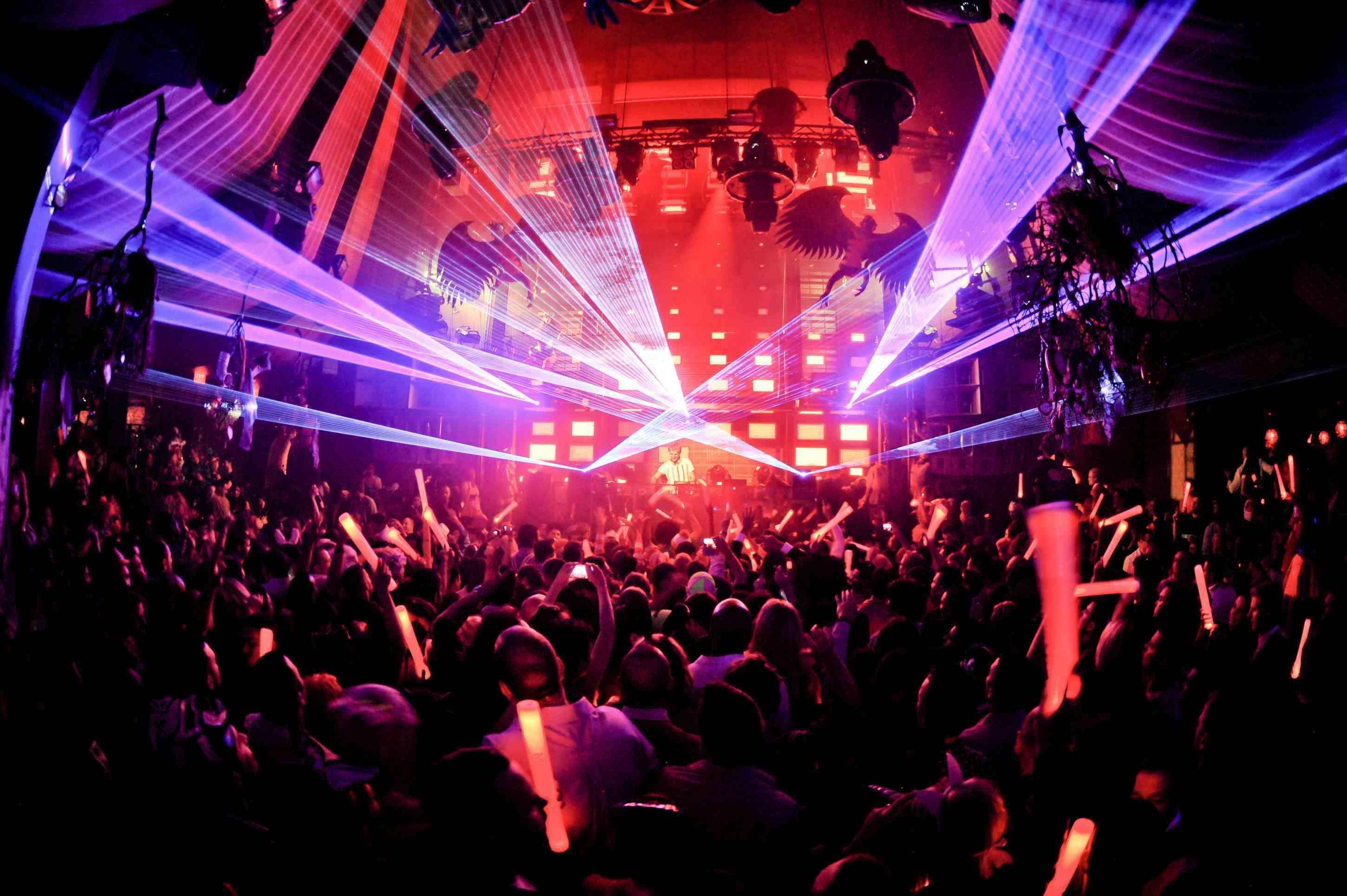
Why Tuesdays Are the New Friday for Nightlife: Exploring the Rise of Club Nights on Weekdays

The post-pandemic era has reshaped global nightlife dynamics, with Tuesday club nights emerging as a dominant force in urban social culture. What was once a niche experiment has evolved into a mainstream phenomenon, driven by economic necessity, shifting work-life balances, and a redefined approach to leisure. Data from industry reports, including Nighttime Economy Association (NEA) and GlobalWebIndex, reveal a 30-40% increase in weekday club attendance in major cities since 2021, with Tuesdays leading the charge. This shift reflects broader trends: younger demographics prioritizing experiences over material goods, the rise of remote/hybrid work reducing weekend availability, and clubs adapting to fill gaps left by the pandemic’s suppression of social gatherings. The economic recovery of the nightlife sector also hinges on maximizing revenue streams, making weekdays a strategic priority.
The transition from weekend-centric to weekday-focused club culture is rooted in post-pandemic social fatigue and economic pragmatism. Lockdowns and social distancing measures disrupted traditional Friday-Saturday night routines, leaving a void that clubs sought to fill. Research from McKinsey & Company highlights that 68% of 18-34-year-olds now prefer splitting their social calendar across weekdays and weekends, citing flexibility and cost efficiency as key drivers. Additionally, the global gig economy—where irregular work hours are common—has normalized unconventional social schedules, making Tuesday nights a viable alternative for late-night revelers. Clubs have capitalized on this by offering early-week promotions, such as discounted entry, exclusive pre-parties, and themed events tailored to weekday crowds.
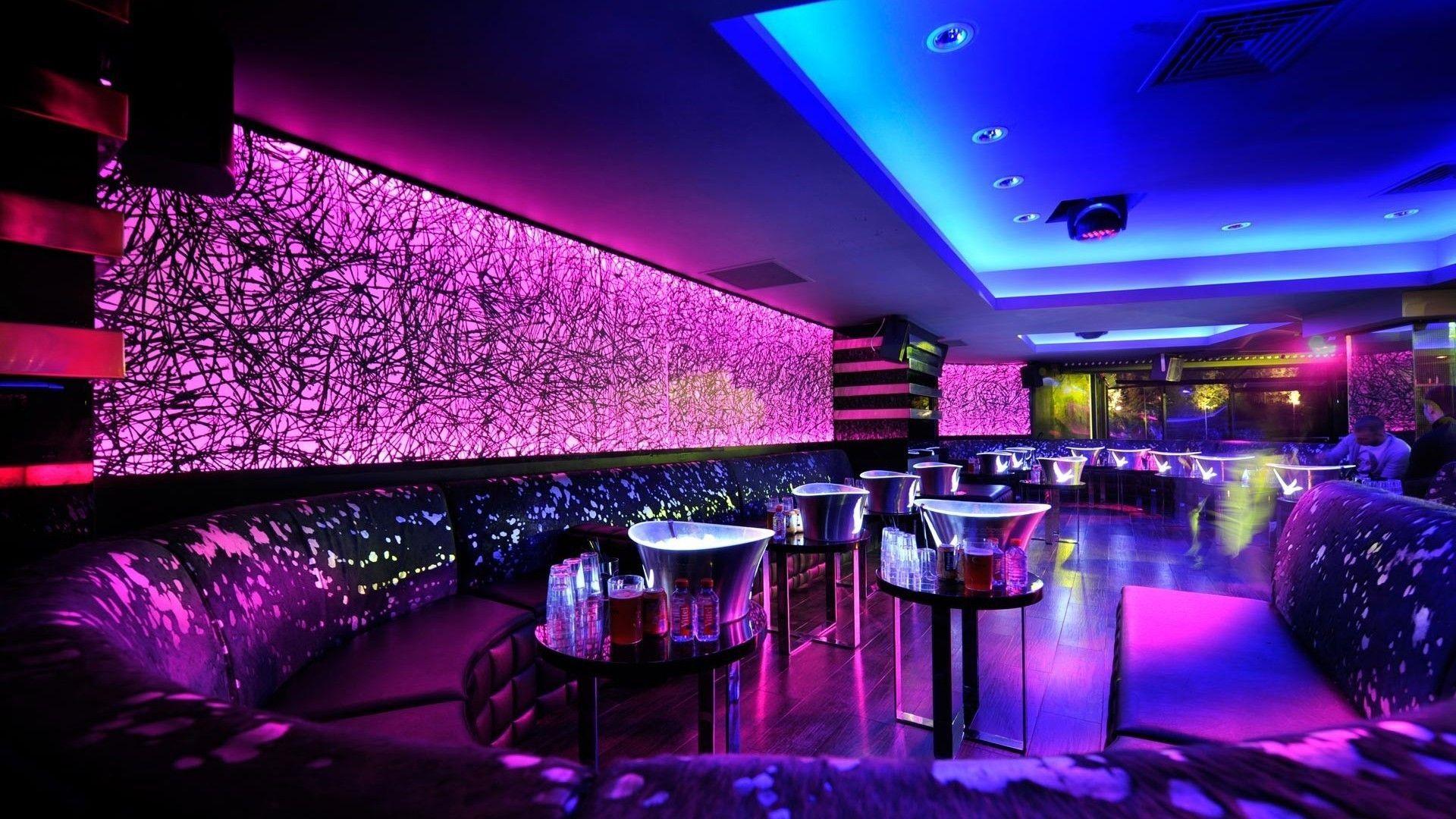
Cultural and Economic Shifts Reshaping Nightlife Schedules
The decline of the "weekend-only" club model stems from structural changes in labor markets and consumer behavior. Pre-pandemic, Friday and Saturday nights dominated nightlife due to the five-day workweek, but automation, remote work, and the gig economy have blurred these boundaries. A Deloitte Insights report notes that 43% of urban professionals now work flexible hours, enabling them to attend clubs on weeknights without sacrificing productivity. Economically, clubs face rising operational costs—rent, staffing, and licensing—and weekday events provide consistent revenue streams that weekends alone can no longer guarantee.
Socially, the rise of "quiet luxury" and experience-driven spending has made nightlife a status symbol beyond just weekend escapism. Younger generations, particularly Gen Z and Millennials, prioritize FOMO (Fear of Missing Out) mitigation by diversifying their social calendars. Tuesday nights, once associated with "student nights" or budget parties, have been rebranded as premium experiences, with clubs in cities like Berlin and Tokyo hosting high-profile DJs, immersive art installations, and VIP-only events. The normalization of "blue light" socializing—staying out until 4 AM or later—has also extended the nightlife window, making weekdays more appealing for those who can’t commit to full weekend binges.
Statistical Insights: Tuesday Nightclub Growth Across Regions
Data from Statista and IBISWorld illustrate the global disparity in weekday club adoption, with Europe and North America leading the trend, followed by Asia-Pacific. In the U.S., Tuesday club nights have seen a 25% increase in attendance since 2022, with cities like New York, Miami, and Los Angeles reporting the highest engagement. A Nightclub & Bar Association survey found that 38% of U.S. clubs now operate Tuesday events, up from 12% in 2019. Europe shows even stronger adoption, with London, Berlin, and Amsterdam pioneering the shift. In London, Tuesday nights account for 20% of annual club revenue, while Berlin’s techno scene thrives on weekday lineups, with venues like Berghain and Tresor drawing international crowds. Asia, particularly Japan and South Korea, is catching up, with Tokyo’s club scene seeing a 40% rise in Tuesday attendance as corporate culture embraces after-work socializing.
Regional differences highlight cultural attitudes toward leisure. In Europe, Tuesday nights are often tied to student populations and budget-friendly events, while in North America, they cater to young professionals and influencer-driven crowds. In Asia, the trend is still emerging but is driven by corporate after-parties and K-pop-inspired fan meetups. A GlobalWebIndex study reveals that Asia-Pacific weekday clubgoers are 22% more likely to attend events tied to digital influencers or celebrity appearances, reflecting the region’s social media-driven nightlife culture.
Iconic Tuesday Venues and Their Unique Offerings
Major cities have become laboratories for Tuesday nightclub innovation, with venues redefining the experience through thematic nights, technology integration, and exclusive access. Below is a comparative overview of Tuesday nightlife hubs across the globe, showcasing how each city’s scene has adapted to the weekday trend.
| City | Top Tuesday Venues | Unique Themes/Events | Average Attendance |
|---|---|---|---|
| London, UK |
|
|
1,200–3,500 (varies by venue) |
| Berlin, Germany |
|
|
800–2,000 (Berghain averages 500–1,000 on Tuesdays) |
| New York City, USA |
|
|
900–2,500 |
| Tokyo, Japan |
|
|
600–1,800 |
Key Observations: - Europe leads in underground and experimental themes, with Berlin and London prioritizing artist-driven lineups. - U.S. clubs focus on
The Ultimate Tuesday Nightclub Experience: What to Expect and How to Prepare
Tuesday nights have redefined the nightlife calendar, offering an electrifying blend of exclusivity, accessibility, and a fresh energy distinct from the weekend crowd. Whether you’re drawn to the pulsating beats of mainstream clubs or the raw, unfiltered vibes of underground venues, Tuesday nights provide a unique opportunity to experience nightlife without the weekend chaos. The atmosphere varies drastically—from polished, high-energy venues catering to early-week partygoers to intimate, alternative spaces where creativity and experimentation thrive. Understanding these dynamics, along with strategic preparation, ensures an unforgettable night out.
Atmosphere, Dress Codes, and Vibes: Mainstream vs. Underground Tuesday Nights
Mainstream clubs hosting Tuesday nights often curate an atmosphere designed to attract professionals, influencers, and early-week revelers seeking a curated experience. Think sleek lighting, high-end DJ lineups featuring both global chart-toppers and emerging electronic producers, and a dress code that leans toward smart casual to glamorous—think tailored blazers paired with leather pants, sequined dresses, or bold, monochrome outfits. These venues prioritize VIP sections with bottle service, private booths, and themed nights (e.g., retro throwbacks, neon rave aesthetics), creating a sense of exclusivity. Sound systems are state-of-the-art, and the crowd tends to be a mix of regulars and first-timers eager to network or unwind after the workweek.
In contrast, underground or alternative Tuesday nights thrive on authenticity and spontaneity. Venues like warehouse raves, speakeasy-style bars, or indie electronic hubs often operate with a dress code that’s more fluid—think ripped jeans, vintage band tees, cyberpunk-inspired accessories, or even DIY fashion. The vibe is less polished, more immersive, with a focus on live DJ sets, experimental genres (techno, drum & bass, hardstyle), and interactive elements like light shows or themed performances. Crowds here are smaller but tighter-knit, with a strong emphasis on community and discovery. Entry may require a password, invite-only lists, or last-minute word-of-mouth referrals, adding to the allure of exclusivity without the mainstream trappings.
Securing Entry: VIP Access, Last-Minute Tickets, and Avoiding Lines
Tuesday nights are strategically timed to avoid weekend crowds, but securing entry still requires foresight—especially for popular venues. VIP access is the gold standard, offering priority entry, dedicated spaces, and perks like free drinks or bottle service. To secure VIP tickets: - Pre-purchase through official platforms like Resident, Eventbrite, or the club’s website. Some venues release VIP packages 48–72 hours in advance for Tuesday events. - Leverage social media and influencer connections. Follow the club’s Instagram or TikTok for exclusive drops or collaborations with local promoters. Engaging with posts (likes, shares, comments) can sometimes unlock early access. - Network with industry insiders. Many VIP spots are reserved for event staff, artists, or repeat attendees who’ve built relationships with door staff. A simple DM to the club’s social media or a polite ask at the box office can yield results. - Dress to impress. Even for non-VIP entry, elevated attire (e.g., a statement piece like a designer jacket or bold shoes) can catch the eye of bouncers, who may fast-track you if the line is long.
For general admission, last-minute tickets are often available but require speed and flexibility: - Check secondary ticket sellers like Viagogo or StubHub, though prices may be inflated. Alternatively, resale groups on Facebook or Discord (official or trusted) sometimes list tickets at face value. - Arrive early (but not too early). Lines for Tuesday nights are typically shorter than weekends, but popular spots like Berghain (Berlin), Hï Ibiza, or New York’s Le Bain can still draw crowds. Aim for 90–120 minutes before doors open to secure a spot without waiting hours. - Use pre-purchase links. Some clubs send exclusive entry links via email or SMS to past attendees or newsletter subscribers. Signing up for club newsletters (e.g., Boiler Room, Anjunade, or local promoter pages) can provide early access. - Avoid peak drop times. If the event starts at 10 PM, arriving at 9:45 PM sharp (instead of 9:30 PM) can mean shorter wait times as early birds thin out.
Tuesday Night Outfit Checklist: From Casual Cool to Glamorous Glam
Your outfit sets the tone for the night—whether you’re blending into the crowd or making a statement. Below is a versatile checklist tailored to mainstream and underground scenes, along with essentials to bring (and leave behind).
| Venue Type | Mainstream Club | Underground/Alternative |
|---|---|---|
| Dress Code | Smart casual to glamorous (e.g., tailored trousers, sequin tops, leather skirts, blazers with bold prints). | Edgy, experimental, or vintage-inspired (e.g., cyberpunk accessories, ripped denim, oversized silhouettes, neon accents). |
| Shoes | Heels, chunky boots, or sleek sneakers (comfortable for dancing). | Combat boots, platform shoes, or minimalist sneakers (prioritize grip for uneven floors). |
| Accessories | Statement jewelry (e.g., chunky chains, bold earrings), designer bags (small crossbody or clutch), or a signature hat. | LED accessories, glow sticks, temporary tattoos, or DIY fashion pieces (e.g., patches, pins). |
| Hair & Makeup | Polished (e.g., slicked-back hair, smoky eyes, or a bold lip). | Experimental (e.g., braids with neon streaks, graphic liner, or face paint for themed nights). |
Essentials to Bring: - ID (digital or physical—some clubs require passport-sized photos for entry). - Cash (€50–100 in small bills for tips, drinks, or last-minute purchases; some clubs are cash-only for bottle service). - Phone accessories: A portable charger, RFID-blocking wallet, and waterproof phone pouch (for dance floors or outdoor areas). - Earplugs (disposable or reusable to protect hearing during high-decibel sets). - Mini first-aid kit (band-aids, pain relievers, and motion sickness tablets for long nights). - Reusable water bottle (many clubs have refill stations to stay hydrated).
Leave Behind: - Valuables (jewelry, expensive watches, or large amounts of cash—pickpocketing is more common in crowded venues). - Bulky bags or backpacks (opt for clear clutch bags or small crossbodies for easy security checks). - Glasses or contacts (if you’re not wearing them, leave them at home—losing them in a club is a nightmare). - Heavy perfumes/colognes (strong scents can irritate others in close quarters).
Navigating the Tuesday Nightclub: Etiquette, Safety, and Finding Your Spot
Once inside, the key to an enjoyable Tuesday night lies in efficiency, awareness, and adaptability. Clubs are designed to maximize energy, but without the right approach, you might miss out on the best experiences—or worse, become a target for unwanted attention.
Mingling and Networking: - Start at the bar or lounge area. These zones are ideal for breaking the ice with strangers. Strike up conversations with bartenders, DJs, or groups of 3–4 people—they’re often the most approachable. - Use the "three-topic rule": Begin with light topics (e.g., the music, the venue’s history, or your mutual love of a specific genre), then transition to shared interests (e.g., travel, hobbies), and finally networking goals (e.g., "I’m looking for recommendations for underground techno spots—any suggestions?"). - Join group activities. Many Tuesday nights feature themed games, photo booths, or interactive installations—participating makes you memorable and opens doors to connections.
Safety and Crow
Music, Themes, and Events: How Tuesday Clubs Curate Unique Experiences
Tuesday nightclubs have redefined the nightlife calendar by transforming mundane weekdays into vibrant social hubs through meticulously crafted music lineups, immersive themes, and exclusive events. Unlike weekend crowds driven by spontaneity and tradition, Tuesday clubgoers seek curated experiences that justify their midweek commitment—whether through nostalgic throwbacks, genre-defining DJ sets, or interactive installations. Clubs leverage these elements to create a sense of urgency and exclusivity, ensuring Tuesdays stand out as a must-visit night. The result is a dynamic ecosystem where music, creativity, and community collaboration redefine what nightlife can be beyond the Friday-Saturday paradigm.
The evolution of Tuesday clubs hinges on their ability to differentiate through specialization. While weekend nights often cater to broad audiences with mainstream hits, Tuesday clubs embrace niche appeal by focusing on specific genres, eras, or cultural movements. This strategy not only attracts dedicated fans but also positions the venue as a destination for connoisseurs seeking something beyond the ordinary.
Themed Nights: Transforming Tuesdays into Cultural Experiences
Themed events serve as the backbone of Tuesday nightlife, offering clubgoers an escape into distinct worlds—from neon-lit raves to vintage dance floors. Clubs reimagine classic concepts like "Throwback Thursdays" (now rebranded for Tuesdays) by pairing them with immersive decor, costume contests, or even themed dress codes. For example: - "Neon Noir" nights blend cyberpunk aesthetics with synthwave music, complete with UV-reactive lighting and retro arcade games. - "Silent Disco Tuesdays" provide a unique auditory experience where attendees wear wireless headphones, fostering intimate connections in a shared sonic space. - "Genre Deep Dives" (e.g., "House Heals" or "Techno Tuesdays") curate sets around a single music style, often featuring underground artists or legendary DJs who pioneered the sound.
These themes extend beyond music, incorporating interactive elements such as: - Glow-in-the-dark parties where attendees wear fluorescent attire and the club transforms into a bioluminescent playground. - "Choose Your Own Adventure" nights, where the crowd votes on the next DJ set via live polls or social media. - Pop-up installations, such as graffiti walls created by local artists or VR dance experiences that transport guests to virtual dance floors.
The success of these themes lies in their ability to create shareable moments. Clubs document these events through Instagram Stories, TikTok challenges, and behind-the-scenes content, turning attendees into brand ambassadors. For instance, a "Decades Dance-Off" at a Berlin club saw participants recreate iconic dance moves from the '80s, '90s, and 2000s, with winners featured in a viral compilation video that drove foot traffic for weeks.
Resident and Guest DJs: The Backbone of Tuesday Lineups
The caliber of DJs playing on Tuesdays has become a defining factor for clubgoers, with venues prioritizing resident DJs who cultivate loyal followings alongside high-profile international acts to draw crowds. Resident DJs often develop signature themes for their Tuesday slots, such as: - "The Lost Tapes" series, where DJs play unreleased or rare tracks from their personal collections. - "Global Bass Tuesdays", featuring electronic producers who blend house, techno, and Afrobeats into hybrid sets. - "Hip-Hop Revival Nights", curated by DJs who specialize in digging through crates for golden-era tracks.
Clubs leverage social media teases to build anticipation, using platforms like Instagram and Discord to drop cryptic clues about upcoming sets. For example: - Boiler Room’s "Tuesday Sessions" livestream exclusive DJ sets from underground clubs, with tickets reserved for in-person attendees. - Berlin’s Berghain releases anonymous lineups for its "Panic Room" Tuesday events, creating a mystique that fuels speculation and FOMO (fear of missing out). - New York’s Le Bain collaborates with brands like Nike or Adidas to host "Sportswear Raves", where DJs mix house tracks with athletic energy, attracting a crossover crowd of gym-goers and ravers.
International guest DJs further elevate Tuesday nights by bringing global sounds to local audiences. Venues like Ministry of Sound London or Hï Ibiza (during off-season pop-ups) host "Tuesday Takeovers" where world-renowned DJs like Charlotte de Witte or Solomun play extended sets, often paired with exclusive merchandise drops or VIP experiences.
Collaborations: Exclusive Partnerships That Elevate Tuesday Nights
Tuesday clubs increasingly partner with local artists, influencers, and brands to create limited-edition experiences that blur the line between nightlife and pop culture. These collaborations take multiple forms: - Pop-up bars featuring cocktails crafted by mixologists in partnership with liquor brands (e.g., "Smirnoff’s Tuesday Tipples" with signature vodka-based drinks). - Artist residencies, where visual artists project live murals during sets or collaborate with DJs on custom visuals synced to the music. - Merchandise drops, such as Tuesday-exclusive apparel designed by local designers, sold only at the club or via pre-order. - Influencer takeovers, where social media personalities curate the night’s playlist or host interactive experiences (e.g., "TikTok Dance Battles" judged by the crowd).
A standout example is Los Angeles’ The Moreton Bay, which partnered with Starbucks for a "Tuesday Coffee & Bass" event, offering free coffee to early arrivals and a DJ set featuring deep house and garage tracks. The event sold out within hours and was later replicated in other cities, demonstrating how unexpected collaborations can redefine midweek nightlife.
Clubs also tap into gaming and esports culture to attract younger crowds. "Fortnite Tuesdays" at venues like London’s Fabric feature DJs who remix video game soundtracks, while "Twitch Raves" stream live sets to online audiences, creating a hybrid digital-physical experience.
Five Innovative Tuesday Club Events of the Past Year
Tuesday nights have seen groundbreaking events that pushed creative boundaries, from immersive theater to AI-generated DJ sets. Here are five standout examples from 2022–2023:
-
"The Algorithm Rave" – Berlin, Germany (Berghain)
An AI-generated DJ set where machine learning algorithms analyzed the crowd’s energy levels in real-time, dynamically adjusting the music. Attendees wore biometric wristbands that influenced the playlist, creating a personalized experience. The event sold out in 48 hours and was later documented in a short film by Google Arts & Culture.
-
"Silent Disco Olympics" – Amsterdam, Netherlands (Club NYX)
A competitive silent disco where teams raced through obstacle courses while listening to different DJ channels. Winners received limited-edition headphone sets and a feature in a local sports magazine. The event drew 2,500 attendees and was praised for its inclusivity, offering headphones in multiple languages.
-
"RetroGaming Tuesday" – Tokyo, Japan (Womb)
A collaboration with Nintendo and Sony, where DJs mixed chiptune remixes of classic video game soundtracks (e.g., Pac-Man, Street Fighter) with electronic beats. Attendees could play retro arcade machines between sets, and a "high-score leaderboard" determined prizes. The night was streamed globally, attracting virtual attendees who voted for the next track.
-
"The Great Outdoors Rave" – Lisbon, Portugal (Lux Frágil)
A rooftop Tuesday rave combining acoustic sets with electronic drops, hosted on a floating platform in the Tagus River. The event included open-air cinema screenings of cult rave films ("Human Cargo", "Trespass") and live graffiti art. Over 5,000 people attended, with 30% coming from outside Portugal, boosting the venue’s international reputation.
-
"24-Hour Tuesday" – Melbourne, Australia (Curtin House)
A marathon dance event spanning 24 hours, with six themed blocks (e.g., "Disco Fever," "Hardcore Heaven," "Chillwave"). Each block featured a different DJ, and attendees could sleep in designated pods or opt for all-nighter packages with food and drinks. The event raised $20,000 for homelessness
Budget-Friendly Tuesday Clubbing: Hacks for Affordable Fun Without Sacrificing the Experience
Tuesday nights no longer mean settling for a dull evening at home. With the surge in weekday nightlife, club-goers now enjoy vibrant atmospheres, cutting-edge music, and exclusive themes—often at a fraction of the cost of weekend extravaganzas. However, navigating the financial landscape of Tuesday clubs requires strategy. Cover charges, drink prices, and hidden fees can quickly add up, leaving even the most enthusiastic partygoers questioning the value. Smart planning transforms Tuesday clubbing from a budget-draining experience into an opportunity for high-energy fun without breaking the bank. By leveraging early-bird pricing, student discounts, and alternative event formats, clubbers can maximize their nightlife experience while keeping expenses in check. The key to affordable Tuesday clubbing lies in understanding the financial structure of weekday venues and exploiting their off-peak pricing models. Many clubs adjust their pricing tiers based on demand, offering significant discounts for early arrivals or specific time slots. Additionally, alternative venues—such as warehouse parties, outdoor events, and community-driven gatherings—provide immersive experiences with minimal entry fees. Digital tools like event discovery apps further democratize access to discounted or last-minute tickets, ensuring that budget-conscious attendees don’t miss out on the action.Early-Bird Pricing and Time-Based Discounts
Tuesday clubs often implement dynamic pricing strategies to incentivize early attendance, reducing overcrowding and balancing revenue across the night. Early-bird entry—typically before 10 PM—can slash cover charges by 30% to 50%, depending on the venue. For example, clubs in cities like Berlin, London, and New York frequently offer €10–€20 entry before midnight, compared to €40–€60 after peak hours. Similarly, happy hour deals (usually between 6 PM and 9 PM) provide discounted drinks, sometimes at half the regular price, making pre-club drinks significantly more affordable. To capitalize on these discounts:- Arrive before 10 PM to secure the lowest entry fees, especially at high-demand venues.
- Check club websites or social media for time-specific promotions, as some venues adjust pricing hourly.
- Opt for all-inclusive packages if available, which may bundle entry, drinks, and sometimes even snacks at a fixed rate—often cheaper than purchasing items à la carte.
Student and Group Discounts
Students and group bookings represent a major revenue stream for clubs, as they attract younger, budget-conscious crowds. Many venues offer student IDs or digital passes (via apps like UNiDAYS or Student Beans) for 10–30% off entry and drinks. For instance, Fabric in London and Berghain in Berlin provide student discounts, while Wetlands in Melbourne waives entry for students on select Tuesdays. Group discounts are another lucrative option, with clubs offering 10–20% off per person for parties of 6+ individuals. Some venues even provide free entry for the first 20 people in a group, making it a cost-effective way to bring friends along. To access these deals:- Present a valid student ID at the door or pre-book via affiliated platforms.
- Book group tables in advance through the club’s website or a third-party ticketing service.
- Negotiate private bookings for larger groups, as some clubs offer custom pricing for reservations.
Hidden Costs and How to Minimize Them
Beyond entry fees and drinks, Tuesday clubbing incurs hidden costs that can inflate expenses unexpectedly. Parking fees (€15–€30 in city centers), tip expectations (10–15% for bartenders), and premium bottle service (€20–€50 per bottle) are common add-ons. Additionally, peak-hour pricing for drinks (e.g., €12–€15 cocktails after 11 PM) can double the cost of a night out. To mitigate these expenses:- Use public transportation or rideshares like Bolt or Uber Pool to avoid parking fees. Many cities offer discounted night passes for buses and trams.
- Bring a reusable water bottle to refill at water stations, reducing the need for overpriced bottled drinks.
- Avoid bottle service unless splitting costs with a large group; instead, opt for house specials or happy hour cocktails.
- Tip strategically by consolidating orders with one bartender to build rapport and potentially receive complimentary drinks or discounts on future visits.
Free and Low-Cost Tuesday Alternatives
For those seeking a nightlife experience without the financial commitment, free or low-cost Tuesday events provide equally electrifying atmospheres. Outdoor club nights, warehouse parties, and community-driven gatherings often operate on a pay-what-you-can or free-entry model, with revenue generated through drink sales or donations. Examples of budget-friendly alternatives include:- Rooftop DJ sets in urban areas, where venues like Sky Garden in London host free or cheap entry events.
- Warehouse raves in cities like Amsterdam or Barcelona, where entry fees rarely exceed €5–€10 and BYOB policies are common.
- Local record store or bar pop-ups, which frequently host free or sliding-scale DJ nights to support independent artists.
- University or community center events, where student-run clubs organize low-cost dance parties with minimal entry fees.
To find these events:- Follow local nightlife blogs or Facebook event pages for grassroots gatherings.
- Check out indie music platforms like Bandcamp or SoundCloud for DIY party announcements.
- Visit alternative venues like art galleries, bookstores, or co-working spaces, which often host unconventional club nights.
Leveraging Apps for Discounted Tickets
Digital platforms have revolutionized access to affordable Tuesday club experiences by consolidating deals, last-minute tickets, and exclusive perks. Apps like Resident, Fever, and Eventbrite aggregate discounts, early-bird sales, and member-only promotions, making it easier to secure tickets at reduced prices. Key strategies for using these apps:- Sign up for member perks on Resident or Fever, which offer exclusive discounts (e.g., 2-for-1 drinks or free entry) at partner venues.
- Set up price alerts for specific clubs to receive notifications when tickets drop in price.
- Purchase last-minute tickets on Eventbrite or Ticketmaster, where some clubs release unsold tickets at a 30–50% discount 24 hours before the event.
- Use cashback apps like TopCashback or Rakuten when booking through third-party sites to earn rebates on entry fees.
Transforming Tuesday into a Full-Day Budget Adventure
Extending a Tuesday night out into a full-day adventure enhances the experience while keeping costs low. A well-planned itinerary can include affordable brunch spots, scenic rooftop views, and post-club recovery activities without overspending. Step-by-Step Budget-Friendly Itinerary: 1. Pre-Club: Affordable Brunch and Exploration- Start with a €10–€15 brunch at a local café or food market (e.g., Borough Market in London or Markthalle Neun in Berlin).
- Explore free or cheap attractions like street art tours, public parks, or museum free-entry days (e.g., Smithsonian museums in Washington, D.C.).
2. Pre-Game: Happy Hour and Early Entry- Hit happy hour at a nearby bar (e.g., €3–€5 cocktails at Bar Soho in NYC or The Alchemist in London).
- Arrive at the club before 10 PM to secure early-bird entry and avoid peak pricing.
3. Club Experience: Smart Spending- Stick to house drinks or beer/wine specials (often €5–€8) instead of premium cocktails.
- Share bottles with friends to split costs, or opt for BYOB venues where bringing your own alcohol is permitted.
4. Post-Club: Recovery and Nightcaps- Head to a 24-hour diner (e.g., Diner 24 in Berlin or Eggs ‘n Things in NYC) for a €10–€15 post-club meal.
- Visit a rooftop bar with happy hour pricing (e.g., The Roof Gardens in London) for a sunset drink before heading home.
- Recover with free or low-cost activities like a morning yoga session (many studios offer €5 drop-in classes
Safety and Smart Clubbing: Navigating Tuesday Nights Responsibly
Tuesday nights have redefined the nightlife calendar, offering a unique blend of energy, affordability, and exclusivity. However, the shift from traditional weekend clubbing to weekday escapades demands heightened awareness and proactive safety measures. With fewer crowds and creative themes, Tuesday nights can be just as thrilling—but also more vulnerable to risks if unprepared. Smart planning and vigilance ensure the experience remains enjoyable without compromising personal safety or well-being. Preparation is the cornerstone of a secure night out. Establishing clear boundaries before stepping out—such as budget limits, transportation plans, and a designated sober contact—minimizes impulsive decisions and potential hazards. Below are structured strategies to mitigate risks, recognize scams, and maintain energy levels sustainably, along with actionable steps for handling emergencies.Pre-Planning Essentials for a Secure Tuesday Night Out
A well-thought-out plan reduces the likelihood of regrettable incidents, from financial strain to health risks. Budget allocation should account for entry fees, drinks, snacks, and transportation, with a 20% buffer for unexpected costs. Designating a sober friend ensures someone remains alert to assist in emergencies or escort you home if needed. Sharing real-time location with trusted contacts via apps like Google Maps’ Location Sharing or Find My Friends provides an additional layer of accountability. Transportation logistics are critical, especially since public transit may be less frequent on weekdays. Pre-arrange rides through Uber, Bolt, or local ride-sharing services, or confirm taxi availability in advance. Avoid hailing unmarked cars or accepting rides from strangers, a common tactic in scams targeting nightlife patrons. Venue research extends beyond music preferences; check reviews for safety concerns, exit strategies, and staff responsiveness. For example, a club in Berlin known for its Tuesday electronic music nights faced criticism after multiple reports of overcharging for premium drinks—a red flag highlighted in online forums like Reddit’s r/berlin.Identifying and Evading Common Tuesday Night Club Scams
Tuesday clubs, while often more budget-friendly, are not immune to exploitation. Scams targeting weekday revelers exploit the perception of a "less crowded" environment, where vigilance may wane. Fake bouncers or "club promoters" often operate near entrances, offering "exclusive upgrades" (e.g., VIP access, free drinks) in exchange for cash or personal information. A 2022 incident in London’s Soho saw patrons tricked into paying £50 for a "private DJ set" that never materialized, with organizers disappearing after collecting payments via cash apps like Cash App or Venmo. Overcharging is another pervasive issue, particularly for shots or cocktails. Clubs may list prices as £8 but charge £12 at the bar. To combat this, compare prices with online menus or ask staff for a written quote before ordering. Drug-related scams pose severe risks; never accept pills, powders, or drinks from strangers, as they may contain counterfeit substances (e.g., fake MDMA laced with bath salts). The UK’s National Crime Agency reports a spike in fake pill incidents at underground Tuesday events, where unsuspecting attendees suffer adverse reactions due to mislabeled substances. Red flags to watch for:- Staff refusing to show ID or wearing inconsistent uniforms.
- Pressure to pay upfront for services without receipts.
- Unmarked or unlicensed booths selling "club perks."
- Overly aggressive promoters offering "too good to be true" deals.
Hydration and Energy Management Without Overindulgence
Balancing energy and hydration is essential to avoid dehydration, fatigue, or alcohol-related risks. Alcohol’s diuretic effect accelerates fluid loss, so alternating drinks with water or electrolyte-rich beverages (e.g., coconut water, sports drinks) is crucial. Mocktails like a gin-free gin & tonic with soda water or virgin mojitos provide flavor without the alcohol spike. Pacing yourself—limiting intake to one standard drink per hour—helps maintain control and prevents hangovers. Natural energy boosters include protein-rich snacks (e.g., nuts, jerky) to stabilize blood sugar and complex carbs (e.g., whole-grain crackers) for sustained energy. A 20-minute power nap before heading out can rejuvenate without grogginess. Avoid excessive caffeine, as it masks dehydration and can lead to crashes. Pre-game with a light meal (e.g., avocado toast, Greek yogurt) to slow alcohol absorption, and consider supplements like B vitamins or electrolytes if staying out late.Leveraging Club Staff and Security for a Safer Experience
Club security and staff play a pivotal role in maintaining safety, but patrons must know how to engage with them effectively. Bouncers and door staff are trained to handle emergencies, from medical issues to altercations. If confronted by harassment or suspicious activity, approach a bouncer immediately—they are authorized to intervene. Most clubs have designated safety personnel (often wearing high-visibility vests) who can assist with lost items, medical aid, or reporting incidents. How to report issues:- Harassment or assault: Seek a bouncer or staff member and request an escort to security or a quiet area.
- Lost items: Report to the club’s lost-and-found desk or a staff member with a "Lost Property" badge.
- Medical emergencies: Locate the first-aid station (often near exits) or ask for a staff member with a first-aid kit symbol on their uniform.
- Suspicious substances or scams: Inform security or the club manager, who can investigate discreetly.
Emergency protocols vary by venue, but most have panic buttons or silent alarms in restrooms or VIP areas. Familiarize yourself with these features upon arrival. For example, New York’s Weekapaugis (a popular Tuesday club) provides whistle alarms in restrooms linked directly to security.Infographic: Risk Mitigation Guide for Tuesday Clubbing
Below is a structured reference table to quickly identify risks, recognize warning signs, and respond appropriately. This can be adapted into an infographic for visual clarity.Risk Red Flags Prevention Tips What to Do If It Happens Harassment or Assault - Unwanted physical contact or verbal advances.
- Followers leaving the club or lingering outside.
- Staff ignoring reports of discomfort.
- Stay near exits and well-lit areas.
- Avoid sharing personal details (e.g., home address) with strangers.
- Use the club’s buddy system or designated safe zones.
- Immediately alert a bouncer or security.
- Request an escort to a trusted friend or taxi.
- File a report with local authorities if necessary.
Lost Items or Theft - Pockets or bags feeling lighter unexpectedly.
- Strangers "helping" with your belongings.
- Missing wallet or phone after leaving the club.
- Use cross-body bags with zippers or RFID-blocking wallets.
- Keep valuables in a money belt or anti-theft pouch.
- Avoid flashing expensive items (e.g., watches, jewelry).
- Report to the club’s lost-and-found immediately.
- Check CCTV footage if available (some clubs offer this).
- Contact local police if theft is confirmed.
Economic Multipliers: How Tuesday Club Nights Drive Spending Across Sectors
Tuesday club nights create a spending cascade effect, where revenue generated from entry fees, drinks, and merchandise flows into adjacent industries, amplifying economic activity. Research from the National Restaurant Association and International Club Management Association (ICMA) indicates that nightlife venues contribute $2.5 billion annually to the U.S. economy alone, with Tuesday nights often serving as a low-key yet consistent revenue driver for bars, taxis, and street vendors. In small cities, where nightlife may be limited, Tuesday clubs become lifelines for local businesses. For example, The Velvet Lounge in Nashville reports a 30% increase in foot traffic for nearby eateries and boutique shops during their Tuesday "Throwback Thursdays" (held on Tuesdays to avoid weekend crowds). Patrons often extend their outings to post-club brunches or late-night bites, creating secondary economic opportunities. In larger cities, the impact is even more pronounced. A 2022 study by the London School of Economics found that clubs in Soho, London, generate £45 million annually in indirect spending, with Tuesday nights contributing 15% of that total. Clubs like Fabric and Ministry of Sound partner with local transport services to offer discounted late-night rides, ensuring riders spend more on cabs or rideshares. Additionally, merchandise sales—such as branded apparel, vinyl records, and artisanal cocktails—further diversify revenue streams. Berlin’s Berghain, for instance, sells limited-edition Tuesday-night-only merch, with proceeds supporting local designers and reducing reliance on mass-produced goods.Community-Driven Initiatives: Clubs That Give Back Through Tuesday Night Programs
Many clubs repurpose Tuesday nights as platforms for social good, integrating philanthropy into their programming while maintaining the energy of a high-energy night out. These initiatives range from charity fundraisers to free-entry schemes for essential workers, demonstrating how nightlife can align with community welfare. Below are five impactful programs implemented by global clubs:- Charity Fundraisers and Cause-Based Nights Clubs like Hakkasan Nightclub (Las Vegas) host "Tuesday for a Cause" events, where a percentage of bar sales or entry fees are donated to local nonprofits. In 2023, their "Give Back Tuesday" raised $120,000 for homeless youth shelters in Nevada. Similarly, Pacha (Ibiza) partners with WaterAid during their Tuesday "Blue Tuesday" nights, where proceeds fund clean water projects in developing nations.
- Free Entry for Essential Workers The Standard High Line (New York) introduced "Tuesday Night for First Responders", offering free entry and discounted drinks to police officers, firefighters, and healthcare workers. Since its launch, over 2,500 essential workers have attended, fostering goodwill while keeping the club accessible. This model has been adopted by Cargo (London) and Womb (Melbourne), reinforcing the club’s role as a community hub.
- Partnerships with Local Nonprofits The Echo (Austin, Texas) collaborates with Austin Animal Center on "Paws & Party Tuesdays", where a portion of drink sales funds spay/neuter programs. The club also hosts free entry for volunteers working at local shelters. In Toronto, Rebel (Toronto) teams up with Food Banks Canada, donating 10% of Tuesday night profits to combat food insecurity.
- Open Mic and Artist Residency Programs The Smell (Los Angeles) dedicates Tuesdays to "Indie Night", featuring unsigned local DJs and live performers in exchange for free entry. This initiative has launched careers for over 50 emerging artists since 2018. Sisyphus (Berlin) follows a similar model with "Tuesday Talent", where artists submit sets and receive mentorship from industry veterans.
- Skill-Building Workshops and Job Fairs The Boxparc (Manchester, UK) hosts "Tuesday Tech Tuesdays", offering free DJ training workshops for aspiring producers. The club also partners with local universities to host career fairs for hospitality and creative industries. This dual-purpose approach ensures the club remains culturally relevant while addressing youth unemployment.
Supporting Local Artists and Businesses: How Tuesday Clubs Nurture Grassroots Creativity
Tuesday club nights serve as incubators for local talent, providing exposure and revenue opportunities for artists, musicians, and small businesses that might otherwise struggle to gain visibility. Clubs that prioritize community-driven lineups often see higher patron loyalty, as attendees appreciate the authentic, non-corporate atmosphere. Artisanal cocktails, live painting sessions, and open-mic poetry nights are just a few ways venues integrate local creativity into their Tuesday programming.- Emerging DJs and Live Performers Boiler Room (global) revolutionized Tuesday nights by hosting exclusive live-streamed sets from underground DJs, many of whom gain industry recognition through these platforms. In Chicago, The Lincoln Hall features "Tuesday Unplugged", a night dedicated to local indie bands performing acoustic sets. This model has helped 30+ artists sign recording deals in the past five years.
- Artisanal Cocktails and Food Collaborations Death & Co (New York) partners with local distilleries for "Tuesday Elixir Nights", where bartenders craft drinks using small-batch spirits. The club also offers pay-what-you-can tastings for emerging mixologists. In Sydney, The Ivy (Surry Hills) collaborates with urban farmers to source ingredients for their "Farm-to-Glass" cocktail menu, reducing food miles and supporting local agriculture.
- Open-Mic Nights and Spoken Word Events The Bellhouse (Washington, D.C.) hosts "Poetry & Pints Tuesdays", where local poets perform alongside DJs, drawing crowds of 200+ attendees. The club donates 10% of proceeds to D.C. arts grants. Similarly, The Basement (London) features "Comedy & Cocktails", providing a platform for up-and-coming stand-up artists.
- Merchandise Featuring Local Art The Smell (LA) sells limited-edition vinyl and posters by local graffiti artists during Tuesday nights, with 20% of profits going to the artists. Cargo (London) sells handmade jewelry from British designers, ensuring fair wages and sustainable production.
Sustainability in the Spotlight: How Tuesday Clubs Reduce Environmental Impact
As nightlife industries face scrutiny over waste generation, energy consumption, and carbon footprints, forward-thinking clubs are adopting eco-friendly Tuesday night practices to mitigate harm. Venues are implementing plastic-free policies, carbon-offset events, and attendee education programs to align with global sustainability goals. The UN Environment Programme estimates that nightlife venues contribute to 1.5% of urban waste, but targeted initiatives can drastically reduce this figure.- Plastic-Free and Zero-Waste Policies Ministry of Sound (London) eliminated single-use plastics in 2021, replacing straws with paper alternatives and offering discounts for reusable cups. The club saw a 25% reduction in waste within six months. The Echo (Austin) provides compostable cups and partners with local recycling programs to ensure proper disposal.
-
Carbon-Neut
The rise of Tuesday club nights is more than a scheduling quirk—it’s a testament to nightlife’s adaptability in an ever-changing world. From budget-friendly hacks that keep the party accessible to innovative themes that turn ordinary weekdays into extraordinary memories, the trend underscores a broader cultural shift toward experiences that prioritize inclusivity, creativity, and community. As clubs continue to push boundaries with curated events, safety-conscious practices, and economic contributions, one thing is clear: the dance floor is no longer confined to weekends. For those ready to embrace the rhythm of Tuesdays, the night is just getting started—and it’s never been more vibrant.
Leave a Comment
Comments are moderated before appearing. The data you submit is processed according to the Privacy Policy of Nubsnob Michigan Digital.