Tulsi Silks Mylapore Chennai Weaving Heritage Unveiled
Table of Contents
- Tulsi Silks Mylapore: A Legacy of South India’s Textile Heritage
- Key Milestones in Tulsi Silks’ Evolution
- Tulsi Silks vs. Competitors: A Comparative Analysis of South India’s Textile Icons
- Logo, Color Palette, and Packaging: The Visual Identity of Tulsi Silks
- Signature Fabrics and Weaves: The Artistry Behind Tulsi Silks
- Traditional Weaving Techniques and Regional Origins
- Execution of Intricate Embroidery Techniques
- Durability and Maintenance: Pure Silk vs. Silk Blends
- Seasonal Collections and Fabric Adaptations
- Tulsi Silks in Chennai’s Fashion Landscape: From Local to Global
- Fusion of Tradition and Modernity in Tulsi Silks’ Design Philosophy
- Physical Presence: Tulsi Silks’ Strategic Locations in Chennai
- Chennai’s Textile Markets: The Backbone of Tulsi Silks’ Supply Chain
- Pricing Strategy: Tulsi Silks vs. Chennai’s Competitive Fashion Brands
- Adapting to Festive Demands: Tulsi Silks’ Seasonal Collections
- Shopping at Tulsi Silks: A Seamless Blend of Tradition and Modern Convenience
- In-Store Experience at Tulsi Silks Outlets
- Ordering Online from Tulsi Silks: A Step-by-Step Guide
- Tulsi Silks for Special Occasions: Weddings, Festivals, and Beyond
- Bridal Collections: A Symphony of Fabric and Embroidery
- Festive Guide: Tulsi Silks for South India’s Celebrations
- Regional Preferences: Tailoring Tradition to Tamil, Malayalee, and Telugu Weddings
Tulsi Silks stands as a beacon of South India’s textile legacy, weaving centuries-old craftsmanship into modern elegance from its Mylapore roots in Chennai. Since its inception, the brand has preserved traditional techniques like Kanchipuram silk and Banarasi brocade, transforming them into coveted pieces worn by brides, celebrities, and fashion enthusiasts alike. Beyond fabric, Tulsi Silks embodies a cultural narrative—where every thread tells a story of heritage, resilience, and artistic innovation.
The brand’s journey from a local artisan workshop to a globally recognized name reflects Chennai’s dynamic role as a fashion crossroads. With signature designs like zari-embroidered sarees and hand-painted motifs, Tulsi Silks bridges the gap between timeless aesthetics and contemporary trends. Its collections, inspired by festivals, weddings, and daily wear, cater to a diverse audience while maintaining authenticity—a balance that sets it apart in India’s competitive textile industry.

Tulsi Silks Mylapore: A Legacy of South India’s Textile Heritage
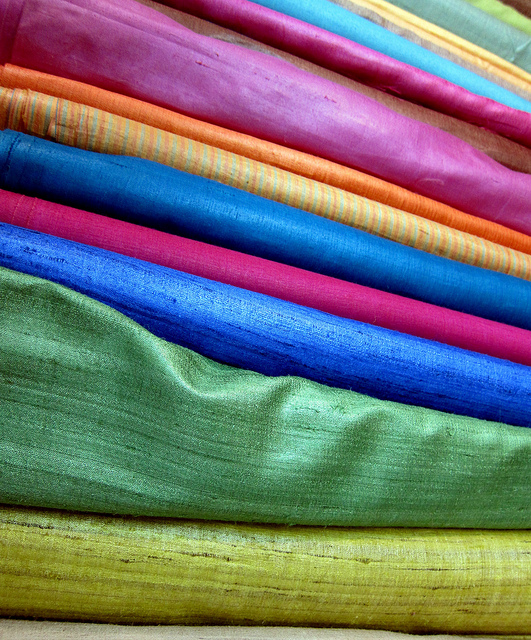
Tulsi Silks stands as a testament to Chennai’s Mylapore district’s enduring craftsmanship, where tradition meets innovation in the realm of handloom textiles. Since its inception in 1950, the brand has woven its identity into the cultural fabric of South India, specializing in pure silk, cotton, and blended fabrics that embody regional aesthetics. Rooted in the heritage weaving techniques of Tamil Nadu, Tulsi Silks has evolved from a local artisan enterprise into a globally recognized name, celebrated for its authentic designs, sustainable practices, and timeless elegance. The brand’s journey reflects the resilience of India’s handloom industry, adapting to modern demands while preserving centuries-old artistry.
The brand’s legacy is deeply intertwined with Mylapore’s textile history, a hub for silk production since the 18th century, when French and British weavers introduced techniques that merged with indigenous methods. Tulsi Silks became a pioneer in reviving traditional motifs—such as kalamkari, temple borders, and zari work—while introducing contemporary twists. Its growth mirrors the post-independence era’s push for indigenous industries, aligning with government initiatives to promote handloom exports. Over decades, the brand expanded from local markets to international platforms, collaborating with designers, fashion houses, and cultural institutions to elevate its reputation.

Key Milestones in Tulsi Silks’ Evolution
Tulsi Silks’ progression is marked by strategic expansions, accolades, and collaborations that solidified its position in the textile sector. Below are pivotal moments that define its trajectory:
- 1950–1970: Founding and Early Craftsmanship Established by Master Weaver T. Ramalingam, Tulsi Silks began as a small workshop in Mylapore, focusing on pure mulberry silk sarees and handloom cotton textiles. The brand’s early success stemmed from its authentic zari borders and temple-themed designs, catering to South Indian brides and traditional wear enthusiasts. During this period, the brand also introduced eco-friendly dyes, a rarity in the industry at the time.
- 1980s–1990s: Export Expansion and Global Recognition Tulsi Silks gained international acclaim by supplying customized silk sarees to overseas markets, particularly in the Middle East and Southeast Asia. The brand’s signature "Temple Border Sarees" became a staple in South Indian weddings, while collaborations with Indian fashion designers (e.g., Ritu Kumar, Sabyasachi) introduced its textiles to high-end fashion circles. In 1995, it received the President’s Award for Handloom Excellence, a milestone that validated its craftsmanship.
- 2000s–Present: Heritage Revival and Sustainable Innovation The 21st century saw Tulsi Silks embrace sustainable practices, including organic cotton integration and zero-waste weaving techniques. The brand launched limited-edition collections in partnership with Luxury Retailers like FabIndia and Tanishq, blending heritage with contemporary aesthetics. In 2018, it became the first Tamil Nadu handloom brand to receive ISO 9001 certification for quality management, further cementing its professionalism. Recent initiatives include digital storytelling to showcase weaving processes, attracting a younger, globally conscious audience.
Tulsi Silks vs. Competitors: A Comparative Analysis of South India’s Textile Icons
While Tulsi Silks dominates the premium handloom silk market, its competitors offer distinct specializations that cater to diverse consumer preferences. The following table contrasts Tulsi Silks with three leading brands, highlighting their foundation, signature products, and target markets:
| Brand Name | Year Established | Signature Fabric/Weave | Notable Customers or Markets Served |
|---|---|---|---|
| Tulsi Silks | 1950 |
|
|
| Lakshmi Mills | 1948 |
|
|
| Viyellapuri Silks | 1965 |
|
|
| Kanchipuram Silks | 18th Century (Modern brand since 1920s) |
|
|
Key Differentiators: Tulsi Silks distinguishes itself through heritage authenticity, sustainable sourcing, and versatility—offering everything from bridal wear to casual attires, unlike competitors that focus on niche segments (e.g., Kanchipuram Silks for bridal-only, Lakshmi Mills for budget luxury). Its Mylapore roots provide a unique blend of French-inspired silk techniques and indigenous motifs, setting it apart from purely regional brands like Viyellapuri.
Logo, Color Palette, and Packaging: The Visual Identity of Tulsi Silks
Tulsi Silks’ branding seamlessly merges traditional aesthetics with modern sophistication, using visual elements that evoke heritage, trust, and luxury. The logo, a stylized lot
Signature Fabrics and Weaves: The Artistry Behind Tulsi Silks
The heritage of Tulsi Silks lies not just in its rich history but in the meticulous craftsmanship embedded in its signature fabrics and weaves. Each piece tells a story of regional traditions, centuries-old techniques, and an unparalleled dedication to preserving South India’s textile legacy. From the opulent Kanchipuram silks of Tamil Nadu to the intricate Jamdani motifs of Bengal, Tulsi Silks masterfully blends authenticity with contemporary elegance. The brand’s collections showcase a symphony of textures—lightweight Banarasi brocades for festive occasions, durable Chanderi silks for daily wear, and the ethereal Jamdani weaves that whisper tales of Mughal-era craftsmanship. These fabrics are not merely materials; they are living artifacts, each thread woven with cultural significance and artistic precision.
Traditional Weaving Techniques and Regional Origins
Tulsi Silks draws inspiration from India’s most revered weaving traditions, each rooted in distinct regional techniques and historical narratives. The brand’s expertise lies in reviving these methods while adapting them to modern sensibilities.
Kanchipuram Silk Originating from Tamil Nadu’s Kanchipuram, this fabric is renowned for its gold zari work and temple border embroidery, symbolizing prosperity and divine grace. The silk is traditionally woven on handlooms using a double-ikat technique, where both the warp and weft threads are resist-dyed before weaving. This ensures the iconic geometric patterns—such as the kalamkari motifs—remain crisp and symmetrical. Tulsi Silks’ Kanchipuram collections often feature pure mulberry silk, distinguished by its lustrous sheen and durability, making it a staple for bridal wear and festive occasions.
Banarasi Brocade Hailing from Varanasi, Banarasi brocade is characterized by its dense, raised floral and paisley patterns, achieved through gota patti (a gold and silver thread embroidery technique). The fabric’s jamdani weave incorporates fine silk threads that create an illusion of depth and movement. Tulsi Silks’ interpretations of Banarasi brocade often blend traditional motifs with contemporary silhouettes, such as asymmetrical drapes or minimalist borders, catering to modern brides while retaining the fabric’s regal essence.
Chanderi Silk From Madhya Pradesh’s Chanderi region, this fabric is celebrated for its lightweight yet sturdy texture, achieved through a mixed weave of silk and cotton or silk and zari. The moire finish—created by a special rolling technique—gives Chanderi its signature pearl-like sheen. Tulsi Silks’ Chanderi collections often incorporate hand-block printing with rangoli-inspired motifs, making it ideal for everyday wear and summer festivities.
Jamdani Silk A UNESCO-recognized craft from Bengal, Jamdani is identified by its delicate, open-lattice ground and intricate floral embroidery. The fabric is woven on fine, high-density looms, with weavers using supplementary weft techniques to create intricate designs. Tulsi Silks’ Jamdani pieces often feature minimalist borders and abstract floral patterns, appealing to those who appreciate understated luxury.
Execution of Intricate Embroidery Techniques
The artistry of Tulsi Silks extends beyond weaving to the execution of zari work, gota patti, and temple border embroidery, each requiring years of specialized training. These techniques elevate the fabric from mere textile to wearable art.
Zari Work Zari, derived from the Persian word zarrin (meaning gold), involves embedding pure gold or silver threads into the fabric to create luminous patterns. The process at Tulsi Silks includes: 1. Thread Preparation: Gold or silver wires are hammered into thin strips and twisted with silk or cotton threads to enhance flexibility. 2. Design Transfer: Motifs are hand-drawn or transferred onto the fabric using rice paste or charcoal. 3. Embroidery: Weavers use a twill stitch or chain stitch to stitch the zari threads along the design, ensuring the patterns remain crisp and the fabric retains its drape. 4. Finishing: The fabric undergoes steaming and pressing to set the zari threads, preventing them from fraying.
Gota Patti A hallmark of Banarasi brocade, gota patti combines metallic threads (zari) with real gold or silver foil to create three-dimensional textures. The steps involved are: 1. Foil Application: Thin sheets of gold or silver foil are cut into strips and wrapped around silk threads. 2. Embroidery: The foil-wrapped threads are stitched onto the fabric using chain stitches or satin stitches, often layered to achieve depth. 3. Setting: The embroidery is heat-set with a special iron to fuse the foil permanently, giving it a shimmering, raised appearance.
Temple Border Embroidery A signature of Kanchipuram silks, temple borders feature intricate floral and geometric patterns stitched along the edges of the saree. The process includes: 1. Border Design: Traditional motifs like lotus flowers, peacocks, and temple chariots are sketched on graph paper and transferred onto the fabric. 2. Embroidery: Weavers use running stitches, chain stitches, and French knots to create the borders, often incorporating mirror work for added opulence. 3. Color Gradation: Dyes are applied in gradual tones (e.g., deep red fading to pink) to mimic the effect of stone-carved temple walls.
Durability and Maintenance: Pure Silk vs. Silk Blends
The choice between pure silk and silk blends in Tulsi Silks’ collections impacts both longevity and care requirements. Understanding these differences helps customers select fabrics that align with their lifestyle and maintenance preferences.
| Factor | Pure Silk (Mulberry, Tussar, Eri) | Silk Blends (Silk-Cotton, Silk-Polyester) |
|---|---|---|
| Durability | Highly durable if handled with care; prone to silk moth damage if stored improperly. | More resistant to wear and tear; blends like silk-cotton offer better breathability than polyester-heavy mixes. |
| Drape | Luxurious and fluid; retains shape over time. | Stiffer drape due to cotton/polyester; may lose softness with frequent washing. |
| Maintenance | Requires dry cleaning every 6–12 months; hand-washing in cold water with mild silk detergent. | Can be machine-washed on gentle cycle (silk-cotton blends); polyester blends may shrink if washed at high temperatures. |
| Cost | Higher due to labor-intensive weaving and pure material. | More affordable; ideal for budget-conscious buyers or those seeking low-maintenance luxury. |
| Suitability | Bridal wear, formal occasions, heirloom pieces. | Everyday wear, office attire, or travel-friendly fabrics. |
Care Tips for Longevity - Storage: Fold sarees along the border and store in silk cotton bags with cedarwood or lavender sachets to deter moths. Avoid plastic covers, which trap moisture. - Cleaning: For pure silk, use silk-specific detergents (e.g., Gentle Silk Wash) and blot stains with a damp cloth. Never wring or rub. - Ironing: Use a low-heat setting with a damp cloth barrier to prevent scorching. Steam ironing is ideal for blends. - Avoid: Direct sunlight, perfumed detergents, and chlorine bleach, which weaken silk fibers.
Seasonal Collections and Fabric Adaptations
Tulsi Silks’ seasonal offerings reflect India’s diverse climates, balancing traditional fabrics with modern comfort. The table below outlines key collections, their fabric types, and design features tailored to each season.
| Season | Fabric Type | Key Design Features | Price Range (INR) | |||||||||||||||||||||||||||||||||||||||||||||||
|---|---|---|---|---|---|---|---|---|---|---|---|---|---|---|---|---|---|---|---|---|---|---|---|---|---|---|---|---|---|---|---|---|---|---|---|---|---|---|---|---|---|---|---|---|---|---|---|---|---|---|
| Summer (March–June) | Pochampally Silk, Chanderi Cotton-Silk Blend, Jamdani Lightweight |
|
Leave a Comment
Comments are moderated before appearing. The data you submit is processed according to the Privacy Policy of Nubsnob Michigan Digital.