grumpy old men cast redefined across decades
Table of Contents
- The Cultural Phenomenon of Grumpy Old Men: Origins and Evolution in Film and Television
- Historical Roots: From Vaudeville to Classic Hollywood
- Chronological Breakdown of Iconic Grumpy Old Men Characters
- Societal Changes and the Evolution of Grumpiness
- Comparative Analysis: Grumpy Old Men in the 1970s–1990s vs. 2000s–2 Notable Cast Members of Grumpy Old Men: Behind-the-Scenes Insights into Iconic Performances The archetype of the grumpy old man has been brought to life by some of the most celebrated actors in Hollywood, whose performances transcended mere caricature to become defining moments in film and television. These actors did not merely embody grumpiness—they crafted layers of complexity, blending humor, pathos, and unexpected depth. Behind their on-screen personas lie meticulous preparation, collaborative creativity, and a keen understanding of how physicality and vocal modulation can transform a character. From legendary veterans to underrated gems, their contributions have cemented the grumpy old man as a timeless figure in storytelling. Legendary Actors Synonymous with the Grumpy Old Man Archetype
- Collaborative Refinement of Grumpy Old Man Characters
- Lesser-Known Actors Who Delivered Standout Performances
- Casting Directors’ Criteria for Grumpy Old Men Roles
- Actor Insights: The Philosophy Behind Playing a Grumpy Old Man
- Grumpy Old Men in Film vs. Television: A Comparative Study of Storytelling, Evolution, and Comedic Techniques
- Storytelling Techniques: Confinement vs. Expansion in Narrative Scope
- Character Evolution: Standalone Arcs in Film vs. Serialized Growth in Television
- Comedic Timing: The Art of Pacing in Film and Television
- Standalone Films vs. Serialized TV Characters: Longevity and Audience Reception
- Streaming Platforms and the Revival of Grumpy Old Men Tropes
- Voice Acting: A Unique Layer in Grumpy Old Men Portrayals
- The Psychology and Appeal of Grumpy Old Men: Why Audiences Love Them
- Psychological Foundations of Grumpiness as Humor and Catharsis
- Universal Traits That Make Grumpy Old Men Lovable
- Grumpy Old Men as Reflections of Societal Attitudes Toward Aging
- Real-Life Inspirations Behind Iconic Grumpy Old Men
- Grumpy Old Men in Modern Media: Trends, Spin-offs, and Fan Culture
- Reboots, Sequels, and Spin-offs: Reviving Classic Characters
- Fan Theories and Memes: The Digital Immortality of Grumpy Characters
- Cross-Media Grumpy Old Men: Beyond Film and Television
- Original vs. Fan-Created/AI-Generated Grumpy Old Men
- Diversity and Inclusivity in Modern Grumpy Portrayals
- Creating Your Own Grumpy Old Man Character: A Step-by-Step Guide
- Character Creation Worksheet for a Grumpy Old Man
- Writing Prompts for Developing a Grumpy Old Man’s Dialogue
From Walter Matthau’s sharp wit in The Odd Couple to Morgan Freeman’s gravelly charm in The Nice Guys, grumpy old men have dominated screens for generations. This archetype, rooted in Hollywood’s golden era, evolved from simple comic relief into layered characters reflecting societal shifts—aging populations, humor trends, and cultural stereotypes. Decades of film and television have cemented their place, yet their modern iterations reveal deeper psychological appeal and unexpected complexity.
The grumpy old man is more than a trope; he is a cultural mirror. Whether as a foil to youthful protagonists in Galaxy Quest or a voice of reluctant wisdom in Up, these characters thrive on contradiction—blending cynicism with hidden warmth. Regional stereotypes, from the Irish bluster of Father Ted to the Scandinavian dryness of The Bridge, further shape their global appeal. Behind the scenes, actors like Anthony Hopkins and Danny DeVito mastered the art of grumpiness through physicality and improvisation, while writers and directors refine their roles to balance humor with heart.

The Cultural Phenomenon of Grumpy Old Men: Origins and Evolution in Film and Television

The grumpy old man has long been a staple of comedic storytelling, serving as both a punchline and a mirror reflecting societal attitudes toward aging. Emerging from the golden age of Hollywood, this archetype evolved alongside shifting cultural norms, economic conditions, and humor trends. From the sharp-tongued wit of classic comedians to the nuanced grumpiness of modern antiheroes, these characters have endured, adapting to new audiences while retaining their core appeal. Their persistence in film and television underscores a universal fascination with the contradictions of aging—resilience, stubbornness, and the refusal to conform to youth-centric ideals.
The archetype’s roots can be traced to early 20th-century vaudeville and silent comedy, where older performers like Charlie Chaplin and W.C. Fields occasionally played cantankerous figures. However, it was in the mid-20th century that the grumpy old man solidified his place in pop culture, particularly through the rise of situation comedies and buddy films. These characters often embodied the frustrations of post-war America, where traditional roles were being challenged, and economic stability was not guaranteed. Over time, the archetype expanded beyond mere caricature, incorporating layers of pathos and complexity, reflecting broader cultural anxieties about aging, isolation, and societal relevance.
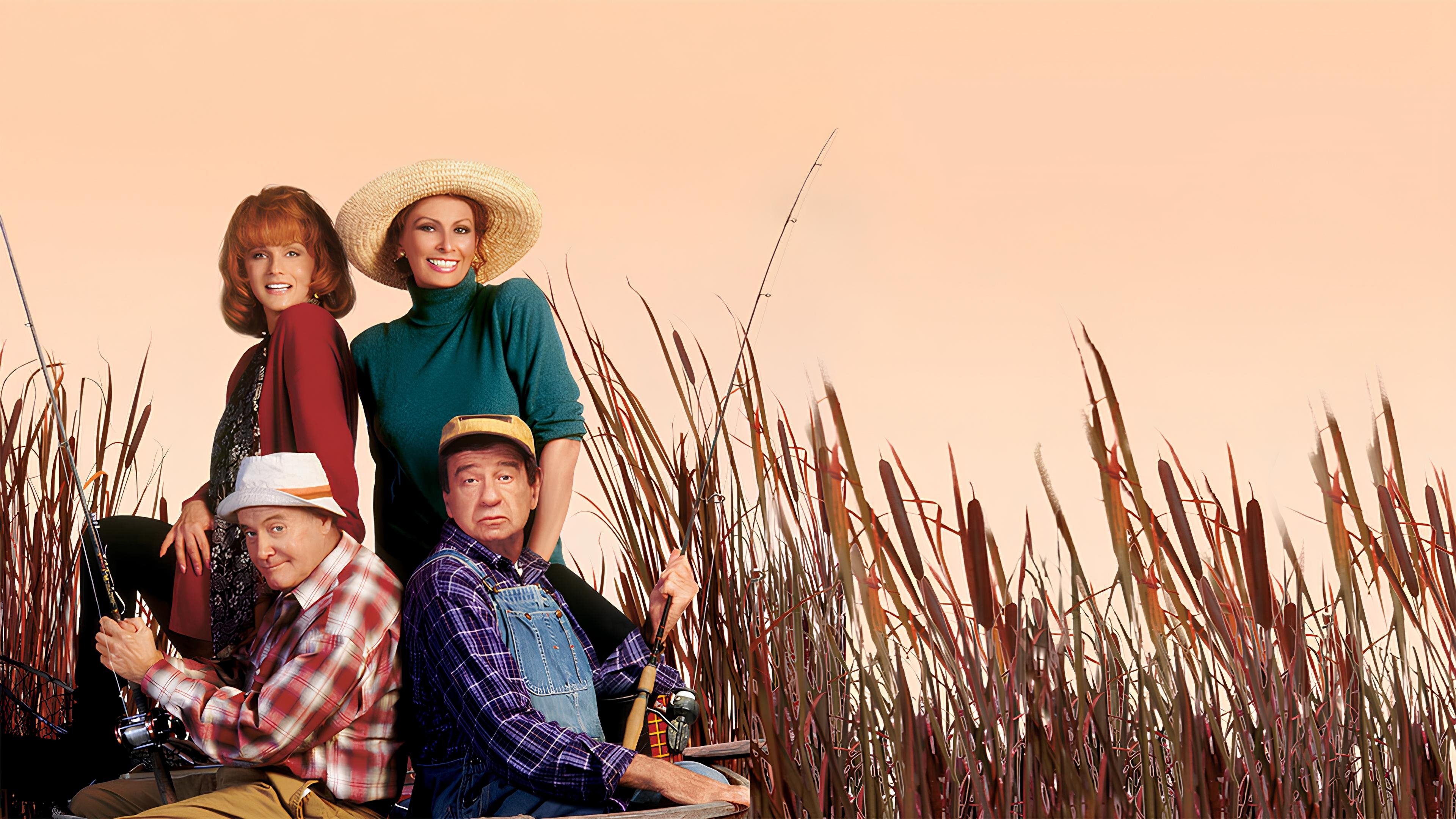
Historical Roots: From Vaudeville to Classic Hollywood
The grumpy old man’s journey began in the early 1900s, where comedic actors like Buster Keaton and Harold Lloyd occasionally portrayed elderly characters with exaggerated grumpiness, often as foils to younger, more agile protagonists. However, it was Charlie Chaplin who first infused the archetype with pathos in films like The Tramp (1915–1941), where his character’s stubbornness and resilience spoke to the struggles of the working class. Meanwhile, W.C. Fields, known for his cynical and alcohol-fueled persona in films like You Can’t Cheat an Honest Man (1939), introduced a more bitter, self-destructive flavor to the grumpy old man trope.
The 1940s and 1950s saw the rise of sitcoms and radio dramas, where older characters like Ed Wynn in The Great Gildersleeve (1940s) and Ralph Bellamy in Our Miss Brooks (1940s–1950s) embodied a more refined, if still irritable, version of the archetype. These characters were often wealthy or middle-class, their grumpiness stemming from petty frustrations rather than financial hardship. The shift from silent comedy to sound films allowed for greater depth in dialogue, enabling writers to explore the psychological underpinnings of grumpiness—loneliness, unfulfilled ambitions, or generational clashes.
By the 1960s, the grumpy old man had become a fixture in road movies and buddy comedies, where his curmudgeonly nature was pitted against the idealism of younger characters. Films like The Odd Couple (1968), starring Walter Matthau as the fastidious Felix Ungar and Jack Lemmon as the slovenly Oscar Madison, redefined the dynamic. Matthau’s Felix, though initially grumpy, revealed a deep-seated fear of vulnerability, while Lemmon’s Oscar provided a chaotic counterbalance. This film not only became a cultural touchstone but also demonstrated how the grumpy old man could serve as a vehicle for exploring male friendship and emotional vulnerability.
Chronological Breakdown of Iconic Grumpy Old Men Characters
The evolution of the grumpy old man can be charted through key characters who shaped the archetype’s trajectory in film and television. Below is a chronological overview of pivotal figures, their roles, and their cultural impact:
- 1930s–1950s: The Cynical Wit of W.C. Fields and Edward G. Robinson Fields’ alcoholism and misanthropy in films like The Bank Dick (1940) made him the quintessential grumpy old man of his era, embodying a self-loathing that resonated with post-Depression audiences. Edward G. Robinson, though often cast as hard-boiled detectives, occasionally played grumpy figures like Harry Brock in Double Indemnity (1944), where his gruffness masked a moral complexity.
- 1960s–1970s: The Buddy Comedy Revolution Walter Matthau cemented the grumpy old man as a comedic lead in The Odd Couple (1968), where his Felix Ungar became a template for the neurotic, fastidious elder. Jack Lemmon expanded the role in Grumpy Old Men (1993), playing John Gustafson, a retired baseball player whose rivalry with a younger man (Dustin Hoffman) explores themes of nostalgia and regret. Meanwhile, Peter Falk as Columbo (1971–2003) introduced a grumpy, disheveled detective whose apparent incompetence belied sharp intelligence.
- 1980s–1990s: The Rise of the Reluctant Hero Danny DeVito in It’s Pat (1994) and Tom Hanks as Buddy in The Santa Clause (1996) redefined the grumpy old man as a reluctant hero. Hanks’ Buddy, initially resistant to fatherhood, became a symbol of generational reconciliation, while Leslie Nielsen as Frank Reynolds in The Naked Gun series (1988–1994) brought slapstick absurdity to the trope. Morgan Freeman as Nelson Mandela in Invictus (2009) later added a layer of gravitas, proving the archetype could transcend comedy.
- 2000s–2020s: The Nuanced Antihero J.K. Simmons as J. Jonah Jameson in Spider-Man (2002–2017) and Alan Rickman as Severus Snape in Harry Potter (2001–2011) introduced grumpiness as a mask for deeper trauma. Christian Bale as Batman in The Dark Knight trilogy (2005–2012) and Anthony Hopkins as Nolan Sorrento in The Father (2020) pushed the archetype into dramatic territory, where grumpiness became a symptom of dementia or existential dread. Wes Anderson’s The Grand Budapest Hotel (2014) featured Ralph Fiennes as M. Gustave, a grumpy concierge whose eccentricities hide a tragic past.
Societal Changes and the Evolution of Grumpiness
The portrayal of grumpy old men has mirrored—and sometimes challenged—societal attitudes toward aging, gender roles, and humor. In the 1970s and 1980s, as the baby boomer generation entered middle age, films like The Odd Couple and Grumpy Old Men reflected anxieties about declining physical prowess and the fear of irrelevance. The grumpy old man became a symbol of resistance to youth culture, often clashing with younger characters who represented optimism and change.
By the 1990s and 2000s, economic uncertainty and the rise of the internet led to a shift in humor, with grumpiness taking on a more cynical, self-aware tone. Films like Old School (2003) and The Hangover (2009) featured older characters whose grumpiness stemmed from disillusionment with modern life. Meanwhile, the 2010s saw a resurgence of the archetype in streaming-era storytelling, where characters like Jeff Goldblum’s Ian Hawke in The Grand Budapest Hotel and Bill Murray’s Bob Harris in Lost in Translation (2003) embodied existential grumpiness, resonating with audiences weary of digital connectivity.
A key factor in this evolution was the aging population. As life expectancy increased, so did the cultural visibility of older adults, leading to more complex portrayals. The grumpy old man was no longer just a comic relief figure but a character capable of depth, tragedy, and redemption. This shift was also influenced by diversity in storytelling, with non-white and LGBTQ+ grumpy old men (e.g., Morgan Freeman, Rupert Everett) challenging traditional stereotypes.
Comparative Analysis: Grumpy Old Men in the 1970s–1990s vs. 2000s–2
Notable Cast Members of Grumpy Old Men: Behind-the-Scenes Insights into Iconic Performances
The archetype of the grumpy old man has been brought to life by some of the most celebrated actors in Hollywood, whose performances transcended mere caricature to become defining moments in film and television. These actors did not merely embody grumpiness—they crafted layers of complexity, blending humor, pathos, and unexpected depth. Behind their on-screen personas lie meticulous preparation, collaborative creativity, and a keen understanding of how physicality and vocal modulation can transform a character. From legendary veterans to underrated gems, their contributions have cemented the grumpy old man as a timeless figure in storytelling.
Legendary Actors Synonymous with the Grumpy Old Man Archetype
Several actors have become synonymous with the grumpy old man, their careers punctuated by roles that redefined the archetype. Morgan Freeman, with his gravelly voice and commanding presence, delivered unforgettable performances in The Nice Guys (2016) and The Dark Knight trilogy (2005–2012), where his portrayal of Lucius Fox exuded both gruff authority and quiet competence. Freeman’s method involved minimal physical exaggeration, relying instead on subtle shifts in tone and posture to convey grumpiness. In interviews, he emphasized the importance of listening—allowing the character’s lines to breathe naturally rather than forcing a gruff delivery.
Anthony Hopkins, another master of the form, brought a mix of menace and dry wit to roles like Norman Bates in Psycho (1998) and Owen Lyle in The Father (2020). Hopkins’ approach often involved improvisation, particularly in The Father, where his physical decline mirrored the character’s mental deterioration. Director Florian Zeller noted that Hopkins’ ability to oscillate between warmth and irritation was key to the role’s emotional resonance. Meanwhile, Danny DeVito, a physical comedian par excellence, turned grumpiness into a comedic powerhouse in films like It’s Always Sunny in Philadelphia (2005–present) and Ruthless People (1986). His hunched posture, rapid-fire delivery, and exaggerated facial expressions made him a standout, proving that grumpiness could be both hilarious and heartfelt.
Alan Alda, known for his work in MASH (1972–1983), perfected the grumpy yet wise old man in The Hangover* (2009) as Alan Garner, a role that blended curmudgeonly exasperation with unexpected charm. Alda’s preparation involved studying real-life older men, particularly their reactions to absurd situations, which informed his improvisational style on set. Director Todd Phillips recalled that Alda’s ability to pivot from irritation to genuine warmth in a single scene elevated the character beyond stereotype.
Collaborative Refinement of Grumpy Old Man Characters
The evolution of a grumpy old man character often hinges on the collaboration between actors, directors, and writers. In The Nice Guys, for instance, Morgan Freeman’s portrayal of Jackson Heist was shaped by frequent script revisions to balance his gruff exterior with moments of vulnerability. Director Shane Black emphasized that Freeman’s ability to deliver lines with deadpan authority allowed the character to feel both formidable and relatable. Conversely, in The Father, Anthony Hopkins’ performance was refined through extensive discussions with director Florian Zeller about the psychological unraveling of the character. Zeller later stated that Hopkins’ improvisations—particularly in scenes where the character’s memory fails—added authenticity to the portrayal.
Similarly, Danny DeVito’s role in It’s Always Sunny in Philadelphia was honed through improvisation, with creator Rob McElhenney noting that DeVito’s real-life grumpiness (both on and off set) bled seamlessly into the character of Frank Reynolds. The show’s writers often adjusted dialogue to accommodate DeVito’s ad-libs, which frequently became iconic catchphrases. In The Hangover, Alan Alda’s character was initially written as a more traditional grump, but his improvisational suggestions—such as the infamous "What the fuck did you guys do?!" line—were incorporated into the final script, making the character’s outbursts feel spontaneous rather than forced.
Lesser-Known Actors Who Delivered Standout Performances
While legendary actors dominate discussions of grumpy old men, several underrated performers have delivered unforgettable portrayals. Jeffrey Tambor, though widely recognized for Transparent (2014–2019), showcased his range as a grumpy yet deeply emotional figure in The Hunger Games: Mockingjay – Part 1 (2014) as President Snow’s predecessor. His ability to convey quiet menace through subtle facial ticks and measured speech highlighted the archetype’s versatility.
Ed Harris, often typecast as intense or authoritative, surprised audiences with his nuanced grumpiness in The Truman Show (1998) as Christof, a role that blended paternalism with unsettling control. Harris’ preparation involved studying real-life authority figures, particularly their body language when lying or manipulating others. Another standout is J.K. Simmons, whose portrayal of J. Jonah Jameson in Spider-Man (2002–2007) combined gruffness with a hidden softness. Simmons’ method involved channeling his own frustration with the world, which he described as "a mix of exhaustion and lingering disappointment."
Christopher Lloyd, best known as Dr. Emmett Brown in Back to the Future, delivered a masterclass in grumpy eccentricity as Clarence Boddicker in Who Framed Roger Rabbit (1988). His exaggerated physicality—hunched shoulders, guttural growls, and manic energy—proved that grumpiness could exist on a spectrum from comedic to outright terrifying. Similarly, Danny Aiello brought a grounded, working-class grumpiness to Do the Right Thing (1989) as Sal, a role that layered frustration with deep-seated community ties.
Casting Directors’ Criteria for Grumpy Old Men Roles
Casting directors prioritize a mix of physical and emotional traits when selecting actors for grumpy old man roles. Visible signs of age, such as wrinkles, gray hair, and a slightly stooped posture, are often non-negotiable, as they immediately signal authenticity. However, the most compelling performances often come from actors who can convey depth beyond surface-level grumpiness. Resting grumpiness—a subtle, ever-present irritation—is highly sought after, as it allows the character to react dynamically to situations rather than appearing artificially surly.
Emotional range is equally critical. Casting directors look for actors who can oscillate between irritation, warmth, and vulnerability, as seen in Morgan Freeman’s The Nice Guys or Anthony Hopkins’ The Father. Physicality also plays a role; actors with expressive faces or distinctive voices (e.g., Alan Alda’s raspy tone or Danny DeVito’s rapid speech) often stand out. Directors may also seek actors with improvisational skills, as spontaneity can add layers to a character’s grumpiness, making it feel organic rather than scripted.
Actor Insights: The Philosophy Behind Playing a Grumpy Old Man
"Grumpiness isn’t just about being angry—it’s about being tired of the world’s nonsense, but still finding moments of joy in the chaos." — Morgan Freeman, on portraying Jackson Heist in The Nice Guys
Freeman’s quote encapsulates the duality of the grumpy old man archetype: a character who is weary yet capable of unexpected tenderness. His approach reflects a broader truth about the archetype—grumpiness often masks deeper emotions, such as loneliness, regret, or a quiet longing for connection. Freeman’s method of grounding the character in realism (e.g., avoiding exaggerated gestures) allowed audiences to see beyond the gruff exterior, making Jackson Heist both formidable and oddly sympathetic.
Similarly, Anthony Hopkins described playing grumpy characters as an exploration of "the fragility beneath the bluster." His work in The Father demonstrated how physical and mental decline could amplify a character’s grumpiness, making it a reflection of internal turmoil rather than mere cantankerousness. Alan Alda echoed this sentiment, stating that the best grumpy roles require actors to "find the humanity in the irritation." His preparation for The Hangover involved observing older men in everyday situations, noting how their grumpiness often stemmed from a desire to be heard rather than to dominate conversations.
These insights reveal that the grumpy old man is rarely a one-note character. The most memorable portrayals emerge when actors infuse the archetype with complexity, proving that grumpiness can be a lens through which deeper storytelling unfolds.
Grumpy Old Men in Film vs. Television: A Comparative Study of Storytelling, Evolution, and Comedic Techniques
The portrayal of grumpy old men has long been a staple in both film and television, yet the mediums employ distinct storytelling techniques to develop these characters. Films often rely on tight, self-contained narratives where character arcs are compressed into a single runtime, while television leverages serialized storytelling to explore depth, growth, and nuance over seasons. This divergence shapes how audiences perceive grumpiness—whether as a fleeting quirk in a comedy or a layered personality trait that evolves alongside a character’s journey. The contrast extends to comedic timing, audience engagement, and even the role of voice acting, which introduces a unique dynamic absent in live-action portrayals.
Storytelling Techniques: Confinement vs. Expansion in Narrative Scope
Films typically confine grumpy old men characters to standalone arcs, where their grumpiness serves as the primary source of conflict or humor. In Grumpy Old Men (1993), the rivalry between John Gustafson (Jack Lemmon) and Max Goldman (Walter Matthau) drives the plot, with their antagonism resolving by the film’s climax. This structure limits character development but maximizes comedic payoff within a finite runtime. Conversely, television thrives on serialized storytelling, allowing characters like Brooklyn Nine-Nine’s Captain Raymond Holt (Andre Braugher) to gradually shed layers of gruffness, revealing warmth and mentorship over multiple seasons.
The difference lies in pacing: films prioritize immediate audience satisfaction, while TV fosters long-term investment. For instance, The Good Place’s Chidi (Kristen Schaal) begins as a grumpy, morally rigid philosopher but evolves into a more compassionate figure through episodic growth. Films like The Muppet Christmas Carol (1992) use grumpiness as a foil—Scrooge McDuck’s initial miserliness contrasts with his redemption—but the arc concludes within 90 minutes, whereas TV allows for gradual, organic shifts.
Character Evolution: Standalone Arcs in Film vs. Serialized Growth in Television
In films, grumpy old men characters rarely undergo transformation; their traits are static, serving as comedic or thematic anchors. The Odd Couple (1968) exemplifies this with Felix Unger (Jack Lemmon) and Oscar Madison (Walter Matthau), whose opposing personalities drive the plot without substantial change. Television, however, exploits the luxury of time. Frasier’s Martin Crane (John Mahoney) starts as a gruff, no-nonsense father figure but softens as the series progresses, revealing vulnerability and even humor in his grumpiness. His evolution reflects the show’s ability to recontextualize the trope, making it relatable rather than one-dimensional.
Television also allows for backstory exploration. Ted Lasso’s Roy Kent (Brett Goldstein) uses gruffness as armor, but his gradual openness to mentorship and emotional expression—unlike a film character’s abrupt shift—feels earned. This serialization creates a deeper connection with audiences, who witness the character’s growth as part of an ongoing narrative.
Comedic Timing: The Art of Pacing in Film and Television
Comedic timing differs fundamentally between the two mediums. Films rely on tightly edited punchlines, such as Galaxy Quest’s Guy Bleys (Tony Shalhoub), whose deadpan delivery of grumpy one-liners ("I’m not grumpy, I’m disappointed.") hinges on precise delivery within a scene. Television, however, often employs repetitive gags or escalating grumpiness for sustained humor. The Office’s Stanley Hudson (Leslie David Baker) delivers consistent, low-energy grumpiness, but his reactions become funnier through repetition over seasons, whereas a film like Galaxy Quest would risk redundancy if extended beyond its runtime.
Voice acting amplifies this contrast. Animated grumpy old men, like The Simpsons’ Grampa Simpson (Dan Castellaneta), thrive on exaggerated timing—his raspy voice and slow, deliberate speech create a distinct comedic persona. Live-action counterparts, such as Family Guy’s Peter Griffin (Seth MacFarlane), use voice to mimic grumpiness but rely on physical comedy and scripted quips. The voice-acting medium allows for greater tonal flexibility, enabling characters like Archer’s Malory Archer (H. Jon Benjamin) to oscillate between gruffness and absurdity in ways live-action cannot.
Standalone Films vs. Serialized TV Characters: Longevity and Audience Reception
The following table contrasts the structural and reception differences between standalone grumpy old men films and serialized TV characters:
| Aspect | Standalone Films (e.g., The Odd Couple, Grumpy Old Men) | Serialized TV Characters (e.g., Frasier’s Martin Crane, Brooklyn Nine-Nine’s Holt) |
|---|---|---|
| Narrative Scope | Self-contained; character arcs resolve within one runtime. | Extended over seasons; arcs develop incrementally. |
| Audience Engagement | Immediate gratification; humor relies on tight scripting. | Long-term investment; humor builds through repetition and growth. |
| Character Depth | Static traits; grumpiness serves as a comedic or thematic device. | Dynamic evolution; grumpiness often softens or transforms. |
| Cultural Longevity | Limited to film’s lifespan; relies on re-releases or sequels. | Sustained through syndication, streaming, and fan discussions. |
| Example of Reception | Grumpy Old Men (1993) remains iconic for its chemistry but lacks sequels. | Frasier’s Martin Crane became a cultural touchstone, with quotes and moments enduring decades post-air. |
Streaming Platforms and the Revival of Grumpy Old Men Tropes
Streaming services have revitalized the grumpy old man trope by recontextualizing it for modern audiences. Ghosts (Netflix) features Patrick (Ralph Ineson), whose gruffness stems from unresolved grief, blending humor with emotional depth—a rarity in traditional grumpy old man portrayals. Similarly, Ted Lasso’s Roy Kent subverts expectations by making his gruffness a strength, appealing to contemporary sensibilities that favor authenticity over caricature. Voice acting also thrives in streaming’s animated landscape. BoJack Horseman’s Mr. Peanutbutter (Will Arnett) uses grumpiness as a mask for deeper issues, while Rick and Morty’s Mr. Poopybutthole (voiced by Tom Kenny) delivers absurdist grumpiness that aligns with the show’s meta-humor. These platforms allow for experimental takes, such as Big Mouth’s Mr. Jerkerson (John Mulaney), whose grumpiness is tied to puberty-related absurdity, pushing the trope into uncharted comedic territory.Voice Acting: A Unique Layer in Grumpy Old Men Portrayals
Voice acting introduces a distinct dimension to grumpy old men characters, often enhancing their grumpiness through tonal manipulation. The Simpsons’ Grampa Simpson exemplifies this—his gravelly, slow voice (Dan Castellaneta) makes even mundane grumbles ("I’m not dead yet!") memorable. Animated grumpiness can also convey vulnerability, as seen in Adventure Time’s Prince Gumball (Tom Kenny), whose gruff exterior hides emotional complexity. Live-action grumpiness, by contrast, depends on physicality and delivery. Walter Matthau’s Grumpy Old Men persona relies on sharp facial expressions and clipped dialogue, whereas voice actors like Seth MacFarlane (Family Guy) or H. Jon Benjamin (Archer)The Psychology and Appeal of Grumpy Old Men: Why Audiences Love Them
The archetype of the grumpy old man transcends generations, resonating deeply with audiences across cultures and mediums. This psychological appeal lies in a complex interplay of humor, relatability, and emotional catharsis, where characters embody both frustration and vulnerability. Studies in comedy theory, such as those by Bennett Berger on "the structure of jokes," highlight how grumpiness serves as a coping mechanism—redirecting societal tensions (aging, irrelevance, or loss) into relatable, often absurd scenarios. Audiences find solace in these characters because their grumpiness mirrors universal human experiences: the fear of irrelevance, the struggle with change, or the quiet defiance against life’s injustices. Yet, beneath the gruff exterior, these characters often conceal layers of wisdom, loyalty, or unexpected tenderness, making them both flawed and endearing.Psychological Foundations of Grumpiness as Humor and Catharsis
Grumpy old men thrive in storytelling as vehicles for psychological release, a concept rooted in Aristotle’s theory of catharsis. Their grumpiness provides a safe outlet for frustration, allowing audiences to laugh at life’s inevitabilities—aging, mortality, or societal shifts—without confronting them directly. Research in humor theory, particularly Victor Raskin’s script-based humor model, suggests that grumpiness creates incongruity-resolution—a mismatch between the character’s harsh exterior and their hidden softer side. For instance, Carl Fredricksen in Up (2009) embodies this duality: his initial hostility toward his late wife’s memory dissolves into poignant nostalgia, eliciting both laughter and empathy. The appeal also stems from identification and projection. Audiences, regardless of age, recognize the grumpy old man as a magnified version of their own frustrations—whether with technology, bureaucracy, or younger generations. This exaggerated grumpiness becomes a mirror, reflecting societal anxieties about aging while offering comic relief. Cathartic humor, as explored by Brett Kahr in The Art of Psychotherapy, further explains why audiences derive satisfaction from these characters: their grumpiness allows for the symbolic release of repressed emotions, making them emotionally satisfying to observe.Universal Traits That Make Grumpy Old Men Lovable
Despite their gruff exteriors, grumpy old men share core traits that render them universally appealing. These traits often align with Jungian archetypes, particularly the Wise Old Man or Trickster, but with a modern, flawed twist. Below are the most recurring characteristics, analyzed through iconic examples:- Loyalty and Unwavering Principles Grumpy old men frequently serve as moral anchors, clinging to unshakable values in chaotic worlds. Vizzini in The Princess Bride (1987) exemplifies this through his obsession with honor, despite his comedic incompetence. His loyalty to his own code—even in defeat—makes him memorable. Similarly, Alfred Pennyworth in The Dark Knight trilogy embodies selfless devotion, balancing gruffness with unwavering support for Batman.
- Wit as a Defense Mechanism Their sharp, often sarcastic humor acts as a shield against vulnerability. Yoda in Star Wars, though not strictly "old," shares this trait; his proverb-like grumpiness masks deep wisdom. Studies in social psychology, such as those by Ellen Langer, suggest that humor in older characters challenges ageist stereotypes, portraying them as mentally acute rather than senile.
- Hidden Tenderness and Regret The soft underbelly of grumpy old men—often revealed through flashbacks or quiet moments—adds depth. Carl Fredricksen’s journey in Up hinges on his unresolved grief over his wife, Ellie. This trait taps into audience empathy, as explored by Paul Ekman’s work on emotional recognition, where vulnerability in characters fosters connection. Even Hagrid in Harry Potter, with his gruffness masking fatherly love, fits this mold.
- Defiance Against Obsolescence Their grumpiness often stems from fighting irrelevance, whether technological (Carl’s resistance to modern gadgets in Up) or societal (Walter Sobchak in The Big Lebowski rejecting "the man"). This defiance resonates in an era where aging is increasingly medicalized, as noted in Margaret Morganroth Gullette’s Aging Theory. Audiences admire their refusal to conform, even if it’s absurd.
Grumpy Old Men as Reflections of Societal Attitudes Toward Aging
Grumpy old men characters act as cultural barometers, reflecting and challenging ageist stereotypes. Historically, older men in media were often portrayed as weak, senile, or comic relief (e.g., The Three Stooges). However, modern grumpy old men subvert these tropes by blending competence with eccentricity. This shift mirrors real-world progress in aging narratives, as seen in campaigns like AARP’s advocacy for positive aging representations.- Challenging the "Old vs. Young" Divide Characters like Max in Grumpy Old Men (1993) use their grumpiness to bridge generational gaps, often teaching younger characters (or audiences) valuable lessons. Their unfiltered honesty disrupts toxic positivity around aging, as discussed in Laura Carstensen’s Socioemotional Selectivity Theory, which posits that older adults prioritize meaningful over superficial interactions.
- Aging as a Spectrum of Experiences Unlike one-dimensional "senile" caricatures, grumpy old men embody complexity. Dumbledore in Harry Potter balances ancient wisdom with human frailty, reflecting gerontological research that aging involves physical decline but also accumulated insight. This duality makes them relatable yet aspirational.
- Grumpiness as Resistance to Ageism Their refusal to be pitied resonates in a culture that often fetalizes the elderly. Walter Sobchak’s rants in The Big Lebowski about "the dude" being "my main man" reject pity, instead framing aging as a source of strength. This aligns with Erich Fromm’s ideas on autonomy in later life, where self-expression becomes a form of rebellion.
Real-Life Inspirations Behind Iconic Grumpy Old Men
Many grumpy old men characters draw from real-life figures, blending historical personalities, family anecdotes, and public figures into fictional archetypes. These inspirations often serve as cultural shorthand, instantly recognizable to audiences. Below are notable examples, categorized by their sources:-
Historical Figures and Leaders
- Yoda’s Inspiration: Frank Oz’s Puppetry and Political Satire Though not a "man," Yoda’s grumpiness stems from Frank Oz’s puppetry and Vietnam War-era disillusionment. His proverbial speech mirrors Zen koans and anti-war sentiment, reflecting 1970s counterculture. Oz himself cited Japanese theater and political satire as influences.
- Alfred Pennyworth: Inspired by Real-Life Butlers and Mentors His stoic, no-nonsense demeanor echoes historical butlers like Anthony Powell’s fictional characters in A Dance to the Music of Time, who balanced formality with deep loyalty. Real-life figures like Alan Turing’s mentor, Christopher Morcom, also influenced portrayals of intellectual yet gruff older guides.
-
Family and Personal Anecdotes
- Carl Fredricksen: Pixar’s Homage to Real-Life Grumpiness Pete Docter, Up’s director, drew from his grandfather’s miserable yet loving personality. The character’s house-flying obsession stems from Docter’s own childhood watching his grandfather grumble about the past while secretly cherishing memories.
-
Walter Sobchak: A Satirical Take on 1950s Masculinity
The Coen Brothers modeled him after
Grumpy Old Men in Modern Media: Trends, Spin-offs, and Fan Culture
The archetype of the grumpy old man has transcended its classic Hollywood roots, evolving into a dynamic and multifaceted phenomenon across modern media. From nostalgic reboots to viral fan culture and cross-media adaptations, these characters continue to captivate audiences by blending humor, relatability, and subversive charm. Today, grumpy old men are not confined to film and television; they thrive in video games, literature, and even AI-generated parodies, reflecting how cultural tropes adapt to contemporary storytelling techniques and audience expectations. The resurgence of grumpy old men in modern media has been marked by strategic reimaginings, fan-driven expansions, and global cultural adaptations. These characters now serve as bridges between generations, offering both comedic relief and poignant commentary on aging, societal change, and human resilience. Their persistence in pop culture underscores their universal appeal, proving that grumpiness remains a timeless and versatile narrative device.Reboots, Sequels, and Spin-offs: Reviving Classic Characters
The 21st century has seen a deliberate revival of grumpy old men characters through sequels, reboots, and spin-offs, often capitalizing on nostalgia while introducing modern sensibilities. The 2009 sequel to Grumpy Old Men (1993), titled Grumpy Old Men 2, reunited Walter Matthau and Jack Lemmon for a final on-screen reunion, albeit in a more subdued and reflective tone. While the film received mixed reviews—critics praised its emotional depth but criticized its pacing—the sequel remains a cult favorite among fans of the original, demonstrating how legacy characters can resonate decades later with the right approach. Television has also embraced this trend, with The Santa Clause franchise expanding into a 2006–2009 animated series, The Santa Clause: The Movie. The series reimagined Scott Calvin (Tim Allen) as an older, more jaded version of the character, blending holiday cheer with the signature grumpiness that defined the original films. This adaptation allowed the character to evolve naturally, appealing to both longtime fans and new audiences. Similarly, The Golden Girls revival (2018–present) introduced a new generation to the sharp-witted, elderly dynamic of the original 1980s sitcom, proving that grumpy old men and women remain relevant when their stories are updated for contemporary issues.Fan Theories and Memes: The Digital Immortality of Grumpy Characters
Grumpy old men characters have become iconic through fan engagement, with viral moments and memes cementing their place in internet culture. One of the most enduring examples is John Ceana’s "You’re killing me, Smalls!" from The Hangover (2009), a line delivered by Ed Helms’ character, Alan Garner. The phrase has been repurposed in memes, GIFs, and even merchandise, symbolizing exaggerated frustration that resonates across generations. Fans have also created alternate timelines and headcanons for characters like Walter Sobchak from The Big Lebowski, imagining his backstory, hidden talents, or secret lives, which thrive on platforms like Reddit and Tumblr. Video essays and fan-edited montages further immortalize these characters. For instance, YouTube compilations of grumpy old men ranting about modern life—using clips from Curb Your Enthusiasm, The Office, and Brooklyn Nine-Nine—highlight their universal appeal. These edits often juxtapose scenes to create new narratives, such as imagining what would happen if Carl Fredricksen from Up (2009) and Grumpy McGonagall from Harry Potter had a coffee shop argument. Such content not only preserves the characters’ legacies but also fosters community among fans who share a love for their curmudgeonly charm.Cross-Media Grumpy Old Men: Beyond Film and Television
Grumpy old men characters have expanded into video games, animation, and literature, proving their versatility as a narrative device. In video games, characters like Darunia from The Legend of Zelda: Twilight Princess embody the grumpy old man trope with his gruff demeanor and cryptic wisdom. Similarly, Mr. Poopybutthole from Rick and Morty (a fan-favorite character) represents the archetype’s absurd, boundary-pushing evolution in adult animation. These characters often serve as mentors or comic relief, offering players and viewers a mix of frustration and fondness. Literature has also embraced the trope, with Minerva McGonagall in Harry Potter standing as one of the most iconic grumpy old women in fantasy. Her stern demeanor and dry humor make her a fan-favorite, inspiring fan fiction where she interacts with other grumpy characters, such as Dumbledore or Severus Snape. In graphic novels and webcomics, characters like The Old Man from XKCD (a webcomic) use their grumpiness to critique modern society with sarcastic one-liners, blending humor with social commentary.Original vs. Fan-Created/AI-Generated Grumpy Old Men
A comparison between original grumpy old men characters and their fan- or AI-generated counterparts reveals how the trope continues to evolve. Below is a table highlighting key differences:
While original characters benefit from scripted nuance and acting, fan and AI versions excel in creativity and accessibility. Reddit users, for example, frequently edit images of grumpy old men into modern settings, creating humor by contrasting their outdated attitudes with contemporary life. Meanwhile, AI tools like DALL·E generate surreal parodies, such as "grumpy old men in space suits" or "grumpy old men as fantasy creatures," pushing the trope into uncharted territories.Aspect Original Characters (e.g., Grumpy Old Men, The Big Lebowski) Fan-Created Versions (e.g., Reddit edits, memes) AI-Generated Parodies (e.g., DALL·E, MidJourney) Purpose Developed for narrative depth, comedic timing, or thematic relevance. Created for humor, nostalgia, or subversive reinterpretations. Generated for novelty, satire, or experimental storytelling. Character Depth Multi-layered, with backstories, motivations, and emotional arcs. Often exaggerated or distilled into single traits (e.g., "grumpiness only"). Lacks depth; focuses on visual or textual gimmicks (e.g., "grumpy AI grandpa"). Cultural Impact Influences trends, spawns merchandise, and inspires real-world adaptations. Drives internet culture, challenges original interpretations, and creates memes. Highlights AI’s capabilities but often lacks lasting cultural resonance. Examples Walter Sobchak (The Big Lebowski), Max (Grumpy Old Men), Carl (Up). Reddit’s "Grumpy Old Man" photoshop edits, South Park parodies. DALL·E-generated images of "grumpy old men reacting to smartphones," AI voice clones of classic actors. Diversity and Inclusivity in Modern Grumpy Portrayals
The grumpy old man trope has begun to reflect broader cultural shifts by incorporating diversity and inclusivity into its portrayals. Characters like John Kreese in Cobra Kai (2018–present) challenge traditional grumpiness by blending it with redemption arcs and moral complexity. Kreese’s evolution from a villainous bully to a conflicted mentor adds layers to the archetype, exploring themes of regret and growth. Television shows like Insecure (2016–2021) introduced Lawrence (a grumpy, no-nonsense father figure played by Donald Glover), who subverts expectations by being Black, progressive, and emotionally expressive—qualities rarely associated with classic grumpy old men. This reimagining broadens the trope’s appeal while addressing criticisms of its lack of racial and cultural diversity in earlier iterations. Similarly, international adaptations have redefined grumpiness through cultural lenses. Japanese komedy (comedy) tropes, as seen inCreating Your Own Grumpy Old Man Character: A Step-by-Step Guide
The grumpy old man is a timeless archetype in storytelling, blending humor, wisdom, and complexity to create characters audiences both love and laugh at. Crafting one requires more than a gruff voice and a scowl—it demands depth, relatability, and a touch of unpredictability. Whether for film, television, literature, or theater, this guide provides a structured approach to designing a grumpy old man who feels authentic, memorable, and purposeful within a narrative. By combining a detailed character worksheet, dialogue techniques, physical mannerisms, and strategic storytelling integration, writers and actors can avoid clichés and elevate this iconic character into something fresh and compelling.Character Creation Worksheet for a Grumpy Old Man
A well-developed grumpy old man thrives on contradictions: a crusty exterior masking vulnerability, a sharp tongue paired with hidden kindness, or a gruff demeanor rooted in deep-seated wisdom. To capture these layers, use this worksheet to outline the foundational elements of the character. The table below organizes key attributes into categories that ensure complexity and dimensionality.
Filling out this worksheet ensures the character feels grounded and multi-dimensional. For instance, Elias "Grit" Calloway’s backstory explains his bitterness, while his hidden virtue—funding a youth program—creates opportunities for redemption arcs or unexpected alliances. The worksheet also highlights how grump triggers (like modern technology) can be used for comedic or dramatic tension, while his secret weakness (fear of the dark) adds a layer of vulnerability.Category Details Example Full Name and Nickname Legal name, preferred name, or derogatory nickname used by others. Elias "Grit" Calloway / "Old Man Calloway" (used sarcastically by locals) Age and Physical Appearance Age range, distinguishing features (wrinkles, scars, posture), and any disabilities or quirks. 78 years old, hunched shoulders, a permanent squint from years of staring at the sun, missing two front teeth, wears a patched-up fishing vest. Backstory Key life events, including failures, triumphs, and unresolved conflicts. Include a defining regret or loss. Formerly a successful fisherman whose boat sank in a storm, killing his best friend. Now lives in a run-down shack, blaming "kids these days" for ruining the industry. Grump Triggers Situations, people, or objects that immediately provoke irritation. Specify whether these are rational or irrational. - People touching his fishing gear ("This ain’t a museum, son.").
- Modern technology ("Back in my day, we didn’t need apps to catch a fish.").
- Children playing near his dock ("Get off my property before I throw you in the water!").
Hidden Virtues Unseen qualities or skills that contrast with their grumpy persona. These can be revealed gradually. - Secretly funds a local youth fishing program under a pseudonym.
- Knows every star in the night sky and teaches astronomy to curious kids.
- Has a collection of handwritten letters from soldiers he mentored in WWII.
Relationships Key connections to other characters, including allies, enemies, or reluctant protégés. - A teenage neighbor who idolizes him despite his gruffness.
- A rival fisherman he respects but refuses to admit.
- A estranged grandson who visits only during holidays.
Secret Weakness A flaw or vulnerability that makes the character human and relatable. Afraid of the dark, which he rationalizes as "not needing light to see in the old days." Signature Catchphrases Repeated lines or phrases that define their voice. Avoid overused tropes like "kids these days." - "That’ll cost ya." (Followed by a silent stare until the other person pays up.)
- "I ain’t got time for this nonsense." (Often muttered while doing something helpful.)
- "Back in my day..." (Cut off by a dramatic sigh or a sudden burst of unexpected wisdom.)
Motivation What drives the character beyond their grumpiness? Fear? Loneliness? A desire to protect? Protects the local fishing grounds because he believes they’re the last pure thing left in the world. Writing Prompts for Developing a Grumpy Old Man’s Dialogue
Dialogue is the lifeblood of a grumpy old man’s character, requiring a delicate balance of sarcasm, wisdom, and humor. The goal is to avoid one-dimensional rants and instead craft lines that reveal personality, conflict, and hidden depth. Below are writing prompts designed to explore different facets of the character’s voice, ensuring their dialogue feels authentic and purposeful. A grumpy old man’s dialogue should adhere to three core principles: 1. Sarcasm with Substance: Every jab should carry weight, whether it’s a veiled insult or a backhanded compliment. 2. Wisdom Disguised as Grumpiness: Even in complaining, the character should drop nuggets of truth or experience. 3. Humor with Heart: Jokes should land, but the character’s emotions should remain palpable beneath the surface. Use these prompts to workshop dialogue scenes:- The Roast with a Secret Admiration Prompt: Write a monologue where the grumpy old man publicly roasts a younger coworker or neighbor for their incompetence, laziness, or arrogance. However, in the final lines, reveal that he secretly admires a specific trait or skill they possess (e.g., their creativity, resilience, or kindness to animals). Example scenario: A grumpy mechanic insults a tech-savvy intern for "fixing cars with a tablet instead of hands," but later admits, "I’ll give ya this—you’ve got a knack for spotting wiring issues no one else sees."
- The Grumpy Mentor Prompt: Craft a scene where the character reluctantly agrees to teach a skill (fishing, carpentry, cooking) to someone who annoys them. The dialogue should include gruff instructions, eye-rolling, and at least one moment where the student surprises them with genuine talent or insight. Example: A grumpy blacksmith snaps at an apprentice, "You hold the hammer like a baby bird," but later praises their precision when they accidentally forge a flawless blade.
- The Hypocritical Complaint Prompt: Write a conversation where the character complains about a societal issue (e.g., pollution, disrespect, poor craftsmanship) while simultaneously engaging in the same behavior. The hypocrisy should be subtle but glaring, forcing the audience to question their own judgments. Example: A grumpy environmentalist rants about littering while spitting tobacco on the ground, then scolds a child for dropping a candy wrapper.
-
The Grumpy Confession
Prompt: Develop a scene where the character is forced to admit a past mistake or regret, but frames it as a complaint about "how things used to be." The confession should be buried under layers of defensiveness. Example: A retired military officer grumbles about "cowardly soldiers today
The legacy of grumpy old men stretches beyond cinema, influencing television, animation, and even video games, where characters like Rick and Morty’s Mr. Poopybutthole push the archetype into surreal new territory. Modern media continues to reimagine them—diverse, nuanced, and often subverting expectations—while fan culture immortalizes their most iconic moments. At its core, the grumpy old man remains a timeless figure: a walking paradox of sarcasm and soul, whose appeal lies in their refusal to conform, even in grumpiness.
Leave a Comment
Comments are moderated before appearing. The data you submit is processed according to the Privacy Policy of Nubsnob Michigan Digital.