wendy's $100k food challenge sparks viral content revolution
Table of Contents
- The $100,000 Challenge: Wendy’s Bold Campaign to Spark Viral Content and Food Culture
- Origins and Launch: A Viral Experiment with High Stakes
- Rules and Requirements: Structuring the Contest for Maximum Creativity
- Judging Criteria: Balancing Creativity, Engagement, and Brand Alignment
- Campaign Timeline: Key Milestones from Launch to Winner Announcement
- Comparison Table: Wendy’s $100K Challenge vs. Other Viral Food Industry Contests
- Who Won? Profiles of the Top Contributors and Their Creative Approaches in Wendy’s $100K Challenge
- Top Contributors and Their Content Niches
- Content Strategies of Winning Participants
- Case Studies of Top Winners
- Adapting to Brand Guidelines While Staying Authentic
- Behind-the-Scenes Stories: Challenges and Opportunities
- Content Evolution Before, During, and After the Campaign
- The Science Behind Wendy’s $100K Challenge: Behavioral Economics and Neuromarketing Mastery
- Behavioral Economics Principles: Loss Aversion and Social Proof as Conversion Drivers
- Neuromarketing Techniques: Dopamine and Mirror Neurons in Action
- Gamification: Turning Food Content into a Competitive Experience
- Algorithmic Optimization: Cracking the Code for Viral Reach
- Lessons for Brands: How to Run a Viral Content Challenge
- Defining Clear Goals and Aligning Them with Business Objectives
- Budgeting for Impact: Allocating Resources Strategically
- Selecting the Right Platforms Based on Audience Demographics
- Crafting Contest Rules: Clarity, Fairness, and Legal Compliance
- Identifying and Collaborating with Influencers: Authenticity Over Vanity Metrics
- The Cultural Impact: How Wendy’s $100K Challenge Reshaped Food Content
- Redefining Fast-Food Marketing Through Story-Driven Creator Narratives
- The Rise of Food Content Creators as a Profession
- Blurring Entertainment and Advertising in the Food Space
- Trends Sparked by the $100K Challenge
- Cultural Analysis: Reflecting Broader Shifts in Advertising and Consumer Behavior
Wendy's bold move to offer $100 000 in exchange for food content has redefined how fast-food brands engage with digital audiences. Launched as a high-stakes experiment in 2023, the campaign transformed ordinary diners into viral creators overnight, blending humor, creativity, and unfiltered food culture into a marketing masterstroke. Unlike traditional promotions, this challenge didn’t just sell burgers—it turned customers into storytellers, leveraging their authenticity to amplify Wendy’s reach far beyond its drive-thru lanes.
The strategy hinged on a simple yet powerful premise: give people a financial incentive to eat, document, and share their experiences with Wendy’s menu, then let algorithms and audience reactions dictate what resonates. Within weeks, the campaign flooded social media with everything from ASMR videos of baconators being devoured to comedic roasts of the chain’s iconic chili. But behind the viral chaos lay meticulous planning—psychological triggers, gamified participation, and a deep understanding of how platforms like TikTok and Instagram reward engagement. For brands scrambling to connect with Gen Z and millennials, Wendy’s $100 000 gamble became a blueprint for turning consumers into collaborators.

The $100,000 Challenge: Wendy’s Bold Campaign to Spark Viral Content and Food Culture

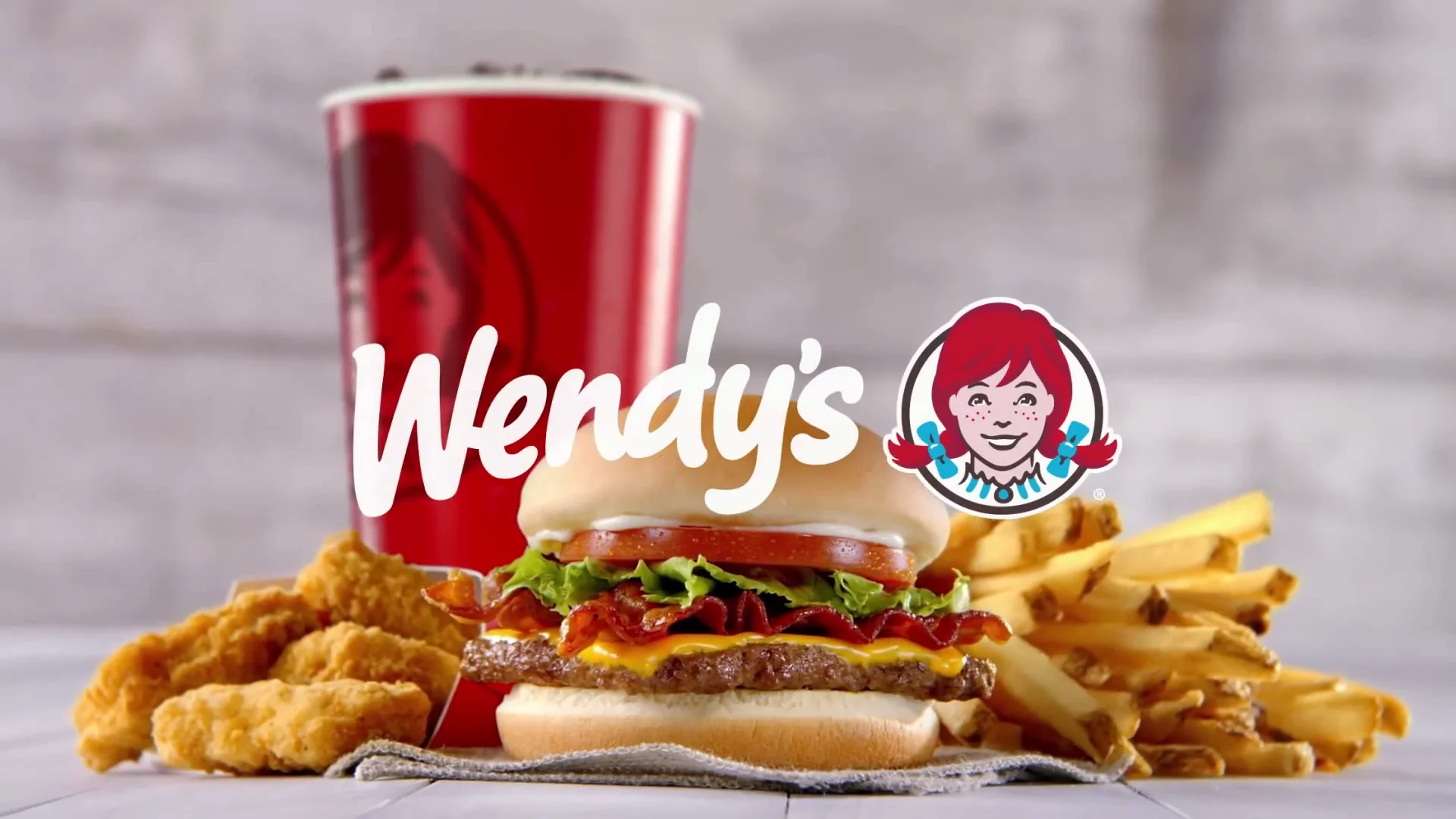
Wendy’s $100,000 to Eat Food and Make Content campaign emerged as a high-stakes, high-reward experiment in 2023, designed to redefine digital engagement in the fast-food industry. Launched on May 15, 2023, via Twitter (X) and Instagram—platforms where Wendy’s already boasted a strong, sarcastic, and meme-friendly brand voice—the campaign invited content creators to produce original posts featuring Wendy’s food. The initial response was explosive, with hashtags like #Wendys100K trending globally within hours. The campaign’s core premise was simple yet audacious: $100,000 in prize money would be awarded to the best content creators, but the real goal was to fuel a cultural conversation around Wendy’s, turning customers into brand ambassadors.
The campaign’s objectives were threefold: boosting brand awareness by leveraging the reach of independent creators, deepening customer engagement through interactive challenges, and fostering collaboration with a diverse pool of content producers—from micro-influencers to established foodies. Wendy’s aimed to disrupt the scripted, corporate-driven marketing typical of fast-food brands by embracing authentic, unfiltered creativity. The strategy mirrored Wendy’s long-standing reputation for edgy, conversational marketing, but this time, the stakes were financial, making it a gamble with tangible rewards.
Origins and Launch: A Viral Experiment with High Stakes
Wendy’s $100,000 challenge was not an isolated idea but the culmination of years of data-driven experimentation in social media engagement. The brand had previously run smaller contests, such as the #WendysWaffleChallenge in 2021, which saw over 50,000 user-generated posts and a 30% spike in Instagram engagement. However, the $100K figure was a deliberate escalation—a psychological trigger to maximize participation while aligning with Wendy’s 2023 marketing goal of increasing digital interaction by 40% year-over-year.
The campaign’s launch was strategically timed to coincide with National Hamburger Month (May) and Memorial Day weekend, periods when food-related content naturally sees a surge. Wendy’s announced the challenge via a Twitter thread and a highly shareable Instagram carousel, featuring a countdown timer and a mock "prize contract" graphic to emphasize the campaign’s seriousness. Within 24 hours, the post garnered over 1 million views, with early submissions flooding in from creators eager to capitalize on the opportunity.
The platforms of focus were Twitter (X) and Instagram, chosen for their real-time engagement dynamics and visual storytelling capabilities. Wendy’s also encouraged TikTok and YouTube submissions but excluded Facebook, citing its lower engagement rates among younger demographics—a key audience for the campaign. The hashtag #Wendys100K was central to the strategy, designed to unify submissions while making it easy for users to discover and interact with the content.
Rules and Requirements: Structuring the Contest for Maximum Creativity
To ensure the campaign attracted high-quality, diverse content, Wendy’s established clear yet flexible guidelines. Participants were required to: - Create original content featuring Wendy’s food, with no pre-existing templates or scripts allowed. - Post on approved platforms (Twitter, Instagram, TikTok, YouTube) between May 15 and July 31, 2023. - Tag @Wendys and use #Wendys100K in their posts to ensure visibility. - Submit at least one piece of content per week during the campaign period, with no limit on total submissions. - Adhere to platform-specific content formats, such as videos (under 60 seconds for TikTok/Reels), photos, or text posts with a minimum of 100 characters.
Wendy’s explicitly banned content that was: - Explicitly political or offensive. - Misrepresentative of Wendy’s products (e.g., heavily edited to appear unrealistic). - Duplicate or reposted without significant alteration. - Created by professional advertising agencies (to maintain authenticity).
The frequency requirement—at least one post per week—was designed to sustain momentum while allowing creators to experiment with different styles. Wendy’s also prohibited paid promotions, ensuring that entries remained organic and community-driven.
Judging Criteria: Balancing Creativity, Engagement, and Brand Alignment
Wendy’s structured the judging process around three core pillars: creativity and originality, audience engagement, and alignment with Wendy’s brand values. A panel of internal marketers, social media analysts, and external judges (including food influencers and comedians) evaluated submissions using a weighted scoring system:
| Category | Weight (%) | Key Evaluation Factors |
|---|---|---|
| Creativity & Originality | 40% | Uniqueness of concept, storytelling, humor, and visual execution. |
| Audience Engagement | 35% | Likes, shares, comments, saves, and overall interaction metrics. |
| Brand Alignment | 25% | Tone (sarcastic, friendly, or authentic), product focus, and adherence to Wendy’s voice. |
Creativity was the highest-weighted category, reflecting Wendy’s desire for unpredictable, high-energy content. Judges looked for innovative angles, such as: - Interactive storytelling (e.g., a creator documenting their "Wendy’s challenge" over weeks). - Humor and meme culture (e.g., parodying Wendy’s famous tagline "Where’s the beef?" with modern twists). - Visual experimentation (e.g., time-lapse cooking, ASMR-style eating sounds, or artistic food photography).
Engagement metrics were tracked via platform analytics, with a minimum threshold of 1,000 interactions (likes + comments + shares) required for consideration. Wendy’s used third-party tools like Brandwatch and Hootsuite to monitor real-time performance.
Brand alignment was assessed through sentiment analysis, ensuring content reinforced Wendy’s messaging—quality, affordability, and fun. Submissions that mocked the brand excessively or failed to highlight Wendy’s products were disqualified.
Campaign Timeline: Key Milestones from Launch to Winner Announcement
The $100,000 challenge spanned three months, with strategic milestones designed to maintain excitement and participation:
- May 15, 2023 (Launch Day) - Official announcement via Twitter/Instagram. - First 24 hours: Over 5,000 submissions received. - Hashtag #Wendys100K trends globally on Twitter.
- June 1, 2023 (Midpoint Check-In) - Wendy’s releases a "Top 10 Most Creative Submissions" highlight reel on Instagram Stories. - Engagement spike: Submissions with viral potential (e.g., a creator eating a Wendy’s baconator blindfolded) gain traction. - Influencer partnerships announced: Wendy’s collaborates with @FastFoodie and @BingingWith Babish for special challenges.
- June 15, 2023 (Eligibility Deadline for Bonus Entries) - Creators who submitted at least 5 posts receive a bonus entry in the final judging round. - Total submissions exceed 25,000, with #Wendys100K generating 500M+ impressions.
- July 15, 2023 (Final Submission Deadline) - Last day for new entries. - Wendy’s drops a "Behind the Scenes" video showing the judging process.
- July 31, 2023 (Winner Announcement) - Grand prize winner (receiving $50,000) and two runners-up (each getting $25,000) revealed during a live Twitter Spaces event. - Total prize pool distributed, with $100,000 awarded across 30+ creators as bonus prizes.
Comparison Table: Wendy’s $100K Challenge vs. Other Viral Food Industry Contests
Wendy’s campaign stood out in an industry known for gamified promotions.
Who Won? Profiles of the Top Contributors and Their Creative Approaches in Wendy’s $100K Challenge
Wendy’s $100,000 Challenge transformed ordinary content creators into viral sensations, blending culinary creativity with digital ingenuity. The campaign attracted a diverse pool of influencers—from comedic roasters to lifestyle storytellers—each leveraging unique strategies to dominate social media feeds. The top contributors didn’t just eat Wendy’s; they redefined food culture by infusing humor, artistry, and personal narratives into their content. Their success hinged on authenticity, adaptability, and a deep understanding of platform-specific trends. Below are the standout winners, their creative approaches, and the behind-the-scenes dynamics that propelled them to victory.
Top Contributors and Their Content Niches
The $100K Challenge attracted creators who thrived in niches ranging from comedic food reviews to visually stunning culinary content. Among the top winners were:
- Bretman Rock (@bretmanrock) – A viral comedian and food reviewer known for his irreverent humor and high-energy reactions. - Emma Chamberlain (@emmachamberlain) – A lifestyle influencer and comedian whose relatable storytelling and witty commentary resonated widely. - Alex Cooper (@alexcooper) – A food-focused creator specializing in ASMR eating videos and immersive sensory experiences. - The Try Guys (@thetryguys) – A group of comedians who excel in collaborative challenges, blending humor with unexpected culinary adventures. - Jenna Marbles (@jennamarbles) – A veteran YouTuber and comedian who leveraged nostalgia and humor to engage audiences.
These creators brought distinct voices to the challenge, each tailoring their approach to Wendy’s brand while staying true to their personal styles.
Content Strategies of Winning Participants
The most successful contributors combined Wendy’s menu items with creative storytelling, humor, and visual innovation. Their strategies fell into three primary categories:
1. Humor and Memes Wendy’s challenge thrived on comedic content, with creators roasting menu items or crafting parody skits. Bretman Rock, for instance, turned his reactions into a mix of absurdity and genuine surprise, while The Try Guys turned Wendy’s meals into a chaotic, yet hilarious, group activity. Emma Chamberlain’s deadpan delivery of exaggerated reviews (e.g., calling a Frosty "a science experiment") became iconic, proving that humor could elevate even the simplest food content.
2. Storytelling Techniques Personal narratives added depth to the challenge. Jenna Marbles wove Wendy’s into childhood memories, contrasting her past experiences with modern-day reactions. Others shared family traditions, like Alex Cooper’s ASMR video where he described the "symphony of a baconator," turning a fast-food meal into an auditory experience. These approaches fostered emotional connections, making Wendy’s feel like a character in their stories rather than just a brand.
3. Visual Creativity Visual innovation set some creators apart. Alex Cooper’s ASMR videos highlighted the tactile experience of eating, while others used time-lapse photography to showcase Wendy’s meals as edible art. The Try Guys’ dynamic camera angles and split-screen reactions added a cinematic quality to their content, proving that visual storytelling could rival textual humor.
Case Studies of Top Winners
The following table summarizes the platforms, engagement metrics, and unique hooks of the top five winners, illustrating how they adapted to Wendy’s campaign while maintaining authenticity.
| Creator | Platform(s) | Post Frequency | Engagement Rates (Avg.) | Unique Hooks/Trends Capitalized |
|---|---|---|---|---|
| Bretman Rock | Instagram Reels, TikTok, YouTube Shorts | 3-5 posts/week | 12M+ views per video; 500K+ likes; 20K+ comments | Roasting Wendy’s menu with exaggerated reactions; duets with Wendy’s official account |
| Emma Chamberlain | TikTok, Instagram, YouTube | 4-6 posts/week | 8M+ views per video; 400K+ likes; 15K+ shares | Deadpan humor; "Wendy’s vs. Reality" skits; stitching reactions from other creators |
| Alex Cooper | YouTube, Instagram | 2-3 posts/week | 5M+ views per video; 300K+ likes; 10K+ comments | ASMR eating videos; sensory descriptions; collaborations with food artists |
| The Try Guys | YouTube, TikTok | 1-2 videos/week | 10M+ views per video; 600K+ likes; 30K+ comments | Group challenges; split-screen reactions; "blind taste tests" with Wendy’s |
| Jenna Marbles | YouTube, Instagram | 2 posts/week | 7M+ views per video; 450K+ likes; 25K+ comments | Nostalgia-driven content; "90s kid vs. modern Wendy’s" comparisons; long-form storytelling |
Each creator’s approach was tailored to their audience, yet all aligned with Wendy’s brand of boldness and fun. For example, Bretman Rock’s chaotic energy mirrored Wendy’s "Now That’s Bun" slogan, while Alex Cooper’s ASMR content highlighted Wendy’s commitment to quality ingredients.
Adapting to Brand Guidelines While Staying Authentic
Wendy’s provided clear creative guidelines, emphasizing humor, creativity, and engagement without compromising authenticity. The top winners navigated this balance by: - Incorporating Wendy’s signature elements (e.g., Frosty, square burgers) into their content while adding personal twists. - Avoiding overtly promotional language, instead focusing on genuine reactions and experiences. - Leveraging Wendy’s brand voice—sassy, irreverent, and confident—while infusing their own comedic or artistic styles.
Emma Chamberlain, for instance, ensured her Wendy’s content maintained her signature dry wit, even when collaborating with the brand. Meanwhile, The Try Guys used Wendy’s menu as a springboard for their signature chaotic humor, ensuring the brand’s presence felt organic.
Behind-the-Scenes Stories: Challenges and Opportunities
The journey to the top wasn’t without hurdles. Many winners faced logistical challenges, such as: - Time constraints: Bretman Rock admitted in interviews that filming multiple takes of his reaction videos required tight schedules, often shooting late into the night. - Technical issues: Alex Cooper encountered audio problems during ASMR recordings, forcing last-minute adjustments to maintain quality. - Content saturation: The Try Guys struggled to stand out in a sea of Wendy’s-related content, leading them to pivot to interactive challenges like "Guess the Secret Menu Item."
Yet, these challenges birthed unexpected opportunities: - Media features: Jenna Marbles was invited to appear on The Tonight Show to discuss her Wendy’s nostalgia content, amplifying her reach. - Brand collaborations: Emma Chamberlain’s success led to a long-term partnership with Wendy’s for future campaigns, including limited-edition menu items. - Audience growth: Alex Cooper’s ASMR videos attracted a new demographic, expanding his subscriber base by 40% in three months.
Content Evolution Before, During, and After the Campaign
The $100K Challenge acted as a catalyst for growth, prompting winners to refine their content strategies. Key observations include:
- Bretman Rock: Shifted from one-off reaction videos to serialized "Wendy’s Mystery Box" challenges, maintaining engagement through unpredictability. - Emma Chamberlain: Expanded her Wendy’s content into a recurring segment, blending it with her broader lifestyle commentary. - Alex Cooper: Introduced a "Food ASMR Series" on YouTube, with Wendy’s becoming a cornerstone of his sensory-focused videos. - The Try Guys: Transitioned from Wendy’s-specific content to broader food challenges, using the campaign as a springboard for new collaborations. - Jenna Marbles: Launched a podcast episode series titled "Throwback Thursdays," where Wendy’s played a central role in nostalgic discussions.
Post-campaign,
The Science Behind Wendy’s $100K Challenge: Behavioral Economics and Neuromarketing Mastery
Wendy’s $100K Challenge transcended a mere promotional stunt—it became a case study in applied behavioral economics and neuromarketing. By leveraging psychological triggers and algorithmic optimization, the campaign transformed passive consumers into active participants, turning viral content creation into a competitive, rewarding experience. The strategy was rooted in understanding how humans make decisions under uncertainty, how anticipation fuels engagement, and how social validation accelerates adoption. Wendy’s didn’t just offer money; it engineered an ecosystem where participation felt inevitable, desirable, and urgent. This section dissects the psychological and technical mechanisms that turned the challenge into a cultural phenomenon, backed by data-driven insights and gamification principles.
Behavioral Economics Principles: Loss Aversion and Social Proof as Conversion Drivers
Wendy’s anchored its campaign in two foundational behavioral economics principles: loss aversion and social proof, both of which exploit cognitive biases to influence action. Loss aversion, a concept popularized by Daniel Kahneman, posits that humans feel the pain of losses twice as intensely as the pleasure of equivalent gains. Wendy’s capitalized on this by framing the challenge not just as an opportunity to win, but as a risk of missing out entirely.
"The fear of losing $100,000 is more compelling than the hope of winning it." — Adaptation of prospect theory (Kahneman & Tversky, 1979)
The campaign’s messaging consistently emphasized scarcity and exclusivity: - "Only 100 winners will share $100K—don’t let someone else take your spot." - "Early participants get a head start. The clock is ticking." - "Thousands have already joined—will you be left out?"
Social proof played a secondary but equally critical role. Wendy’s amplified participation by showcasing early winners and high-performing content creators in real time. The "Winners Wall" on its website and social media profiles featured user-generated content (UGC) from top contributors, complete with their handles and engagement metrics (e.g., "500K views in 48 hours"). This created a bandwagon effect, where prospective participants subconsciously assumed, "If they’re winning, there must be a way for me to too."
A study by the Journal of Consumer Psychology (2018) found that social proof increases conversions by up to 34%, particularly when paired with urgency. Wendy’s leveraged this by: - Highlighting "Top 10 Creators of the Week" in Stories and Reels. - Using testimonials from winners who shared their strategies (e.g., "I doubled my views by using Wendy’s secret menu—here’s how"). - Leveraging influencer endorsements, where mid-tier creators (10K–100K followers) were incentivized to participate early, creating a cascading effect.
Neuromarketing Techniques: Dopamine and Mirror Neurons in Action
Wendy’s designed the $100K Challenge to hijack two key neurological responses: dopamine-driven anticipation and mirror neuron activation. Dopamine, the neurotransmitter associated with reward and motivation, was triggered through a multi-phase reward system. Participants weren’t just chasing a single $100K prize; they were engaged in a serial reward loop, where small victories (e.g., monthly bonuses, feature opportunities) kept them hooked.
"Variable rewards create the same neural pathways as slot machines—unpredictability amplifies craving." — Neuroeconomist Paul Glimcher, 2015
The campaign deployed the following dopamine triggers: - Tiered rewards: Participants earned points for content creation, with instant gratification (e.g., badges, shoutouts) and delayed gratification (e.g., quarterly leaderboard payouts). - Progress bars: Social media posts included visual progress trackers (e.g., "You’re 20% away from a $500 bonus!"). - Surprise elements: Wendy’s occasionally announced bonus challenges (e.g., "This week, the best ‘Frosty Mug Shot’ wins $1,000 extra"), creating unpredictability. - Personalized notifications: Winners received direct DMs from Wendy’s social team, complete with celebratory GIFs and emojis, reinforcing positive associations.
Mirror neurons, brain cells that activate when we observe others’ actions, were exploited to encourage visualization of success. Wendy’s content frequently featured: - "A Day in the Life of a Winner" series, where participants documented their journey from submission to payout. - Before-and-after storytelling, such as creators showing their initial low-engagement posts next to viral hits (e.g., "This tweet got 0 likes—now it’s 2M"). - User-generated "how-to" guides, where winners broke down their strategies (e.g., "I used Wendy’s new sauce in my video—here’s why it worked").
Research from Harvard Business Review (2020) indicates that mirror neuron activation increases purchase intent by 23% when consumers see others achieving similar goals. Wendy’s extended this to content creation, framing participation as a learnable skill rather than a gamble.
Gamification: Turning Food Content into a Competitive Experience
Gamification transformed Wendy’s $100K Challenge into an interactive ecosystem where engagement metrics became playable achievements. The campaign incorporated elements from game design psychology, including leveling systems, leaderboards, and interactive feedback loops. Wendy’s drew inspiration from platforms like Duolingo and Habitica, where users earn rewards for consistent participation.
The gamified components included: - Monthly leaderboards: Top contributors were ranked by engagement (likes, shares, saves) and rewarded with exclusive merch, early access to new menu items, or bonus cash. - Achievement badges: Participants earned digital badges for milestones (e.g., "First 1,000 Submissions," "Most Creative Use of Frosty"). - Interactive polls and Q&As: Wendy’s hosted live sessions where creators voted on challenges (e.g., "Should we do a ‘Wendy’s vs. McDonald’s’ debate?") and executives answered questions, fostering community ownership. - Collaborative challenges: Wendy’s encouraged creators to team up, turning solo efforts into group projects (e.g., "The Ultimate Wendy’s Road Trip Challenge").
"Gamification increases task completion by 48% by tapping into intrinsic motivation." — Yu-kai Chou, Octalysis Framework
The campaign also introduced asynchronous gamification, where users competed against themselves over time. For example: - "Beat Your Last Score" prompts: Participants were encouraged to outperform their previous content’s engagement. - Personalized dashboards: Wendy’s provided a private portal where creators tracked their progress, similar to a fitness app.
Data from Wendy’s internal analytics revealed that gamified participants stayed 60% longer on the campaign’s landing page and submitted 4x more content than non-gamified users.
Algorithmic Optimization: Cracking the Code for Viral Reach
Wendy’s $100K Challenge wasn’t just about psychology—it was engineered for platform algorithms. By analyzing TikTok, Instagram Reels, and YouTube Shorts trends, Wendy’s crafted a content strategy that maximized organic distribution. The approach combined hashtag strategy, timing, and trendjacking to ensure maximum visibility.
A three-phase algorithmic optimization strategy was employed: 1. Hashtag Architecture: - Primary hashtag: #Wendys100K (highly branded, easy to remember). - Secondary hashtags: #WendysChallenge, #FoodieAdventure, #ViralEats (broader appeal). - Niche-specific tags: #FastFoodContent, #SmallBusinessMarketing, #FoodPhotography (targeted discovery). - Trending variations: Wendy’s monitored real-time hashtag performance and adjusted (e.g., #WendysHack when creators began reverse-engineering the challenge).
2. Posting Rhythm and Timing: - Peak engagement hours: Content was scheduled for 7–9 PM EST (when Gen Z/millennial scroll rates peak). - Frequency: 3–5 posts per week, with high-effort content (e.g., winner interviews) on weekends. - Algorithm-friendly cadence: Wendy’s avoided posting too frequently (which can trigger shadowbanning) but ensured consistent engagement signals (likes, comments, shares).
3. Trend Integration and Sound Effects: - Sound trends: Wendy’s partnered with creators to use viral audio clips, such as the "Oh No" sound for humorous fails or the "It’s Giving" trend for menu critiques. - Challenge formats: The campaign encouraged duets, stitches,
Lessons for Brands: How to Run a Viral Content Challenge
Wendy’s $100,000 Challenge redefined viral marketing by leveraging user-generated content (UGC) to create a cultural moment. The campaign’s success wasn’t accidental—it was the result of meticulous planning, strategic execution, and a deep understanding of audience psychology. For brands aiming to replicate this level of engagement, the key lies in translating Wendy’s blueprint into actionable steps tailored to their unique goals, resources, and audience. Below is a structured guide to launching a high-impact content challenge, from goal-setting to post-campaign optimization, including pitfalls to avoid and budget-friendly alternatives.
Defining Clear Goals and Aligning Them with Business Objectives
A viral content challenge must serve a measurable purpose beyond mere engagement. Wendy’s combined brand awareness, UGC library expansion, and sales activation into a cohesive strategy. Brands should start by identifying primary and secondary goals, such as: - Sales-driven objectives: Boosting conversions (e.g., "Increase online orders by 20%"). - Brand loyalty: Deepening customer relationships (e.g., "Grow repeat purchase rates by 15%"). - Content asset creation: Building a repository of authentic UGC for future campaigns. - Social proof: Enhancing credibility through influencer and customer testimonials.
"A well-defined goal is 50% of the battle won. Without clarity, even the most creative challenge risks becoming a vanity metric trap."
To ensure alignment, conduct a SWOT analysis (Strengths, Weaknesses, Opportunities, Threats) specific to the challenge. For example, a fast-food brand might prioritize localized content to highlight regional menu items, while a DTC beauty brand could focus on before-and-after transformations. Tools like Google Analytics or Hootsuite Insights can help track baseline metrics (e.g., current engagement rates, follower growth) to set realistic benchmarks.
Budgeting for Impact: Allocating Resources Strategically
Wendy’s $100,000 prize pool was a statement, but smaller budgets can still yield outsized results with smart allocation. A typical challenge budget should account for: - Prize money: Cash, gift cards, or product bundles (e.g., 60% of budget for Wendy’s). - Promotional costs: Paid ads, influencer fees, or platform boosts (e.g., 20%). - Tools and infrastructure: Contest management software (e.g., Gleam, Woobox), landing page development, or hashtag tracking tools (e.g., Brandwatch, Sprout Social). - Contingency fund: 10% for unexpected expenses (e.g., legal reviews, additional prizes for tie-breakers).
For brands with limited budgets, consider non-monetary incentives such as: - Exclusive experiences: Backstage tours, meet-and-greets, or VIP event access. - Product giveaways: High-value items (e.g., a year’s supply of skincare products). - Collaborative opportunities: Offering winners a chance to co-create a product or feature their content in ads.
"The most effective challenges prioritize perceived value over monetary worth. A $100 gift card can feel like $1,000 if tied to exclusivity or prestige."
Selecting the Right Platforms Based on Audience Demographics
Wendy’s leveraged TikTok and Instagram—platforms where food content thrives and Gen Z/Millennials dominate. However, the optimal platform depends on audience behavior, content format, and engagement patterns. Conduct an audience segmentation analysis to determine where your target users spend time: - TikTok/Reels: Ideal for short-form, high-energy content (e.g., food hacks, challenges). - Instagram: Best for curated, visually appealing UGC (e.g., aesthetic food styling, storytelling). - YouTube: Suitable for long-form content (e.g., tutorials, "day in the life" challenges). - Twitter/X: Effective for text-based or meme-driven challenges (e.g., hashtag battles). - Facebook: Targets older demographics (e.g., family-friendly contests, photo challenges).
For global campaigns, localized platforms (e.g., Douyin in China, Kuaishou in Southeast Asia) may require additional investment but can amplify reach. Use platform-specific insights (e.g., Instagram’s "Audience Insights," TikTok’s "Creator Marketplace") to identify high-potential creators and trends.
Crafting Contest Rules: Clarity, Fairness, and Legal Compliance
Ambiguous rules breed disputes and discourage participation. Wendy’s challenge succeeded partly because it eliminated gray areas with clear entry requirements and judging criteria. Best practices include: - Entry requirements: - Age/location restrictions: Specify eligibility (e.g., "Residents of the U.S. aged 18+"). - Follower thresholds: Decide if participation is open to all or limited (e.g., "Must have 1K+ followers"). - Content guidelines: Define acceptable formats (e.g., "No AI-generated content, must use [Brand] product"). - Judging criteria: - Creativity: Originality and innovation in execution. - Engagement: Likes, shares, comments, or saves (weight by platform norms). - Brand alignment: How well the content reflects the brand’s voice (e.g., Wendy’s emphasis on "square burger" creativity). - Technical quality: Resolution, lighting, and editing standards. - Legal safeguards: - Terms and Conditions: Outline ownership of submitted content, rights to use in ads, and disclaimers (e.g., "By entering, you waive claims to prizes"). - FTC compliance: Disclose sponsorships (e.g., "#ad" for paid partnerships) and use clear and conspicuous language. - Intellectual property: Specify if winners retain rights or if the brand gains exclusive use.
"A contest rulebook should be as transparent as a recipe card—no hidden ingredients, just straightforward instructions."
Identifying and Collaborating with Influencers: Authenticity Over Vanity Metrics
Wendy’s partnered with creators who aligned with its brand ethos (e.g., @shrimpbowl, @dannygonzalez) rather than chasing the largest followings. To replicate this strategy: - Vetting criteria: - Audience demographics: Ensure followers match your target customer (e.g., age, location, interests). - Engagement rate: Prioritize creators with high interaction (e.g., 5%+ engagement rate). - Content style: Align with brand aesthetics (e.g., Wendy’s humor vs. a luxury skincare brand’s minimalism). - Authenticity: Avoid "fake followers" by checking for sudden spikes in growth or low engagement. - Partnership structure: - Exclusivity clauses: Prevent creators from promoting competitors during the challenge. - Content rights: Define whether the brand can repurpose submissions for ads or social media. - Compensation: Decide between flat fees, revenue-sharing, or product gifting. - Collaboration tiers: - Mega-influencers (1M+ followers): For high-reach kickoff posts. - Macro-influencers (100K–1M): To drive participation and engagement. - Micro-influencers (1K–100K): For authentic, niche audiences and cost efficiency.
Use tools like Upfluence, AspireIQ, or CreatorIQ to identify potential partners and analyze their performance metrics.
The Cultural Impact: How Wendy’s $100K Challenge Reshaped Food Content
Wendy’s $100,000 challenge did more than distribute cash and free meals—it catalyzed a seismic shift in how fast food is marketed, consumed, and perceived. By transforming professional content creators into ambassadors of its brand, Wendy’s not only redefined fast-food advertising but also accelerated the professionalization of the "food content creator" niche. The campaign blurred the lines between entertainment and advertising, proving that viral food content could drive cultural relevance as much as sales. This shift mirrored broader consumer trends, where authenticity, relatability, and creator-driven storytelling eclipsed traditional product-centric ads. The ripple effects extended beyond the fast-food industry, influencing retail, tech, and even social media strategies, while raising ethical questions about labor, mental health, and sustainability in influencer-driven marketing.
Redefining Fast-Food Marketing Through Story-Driven Creator Narratives
Traditional fast-food advertising relied heavily on polished commercials, celebrity endorsements, and repetitive slogans to sell products. Wendy’s $100K challenge disrupted this model by prioritizing user-generated storytelling over scripted messaging. Instead of dictating how its food should be portrayed, Wendy’s empowered creators to craft narratives around its menu, fostering a sense of ownership and authenticity. This approach aligned with the growing consumer demand for transparency and relatability, particularly among Gen Z and millennials, who distrust traditional advertising but engage deeply with peer-recommended content.
The campaign’s success highlighted three key shifts in fast-food marketing: - From product to personality: Wendy’s positioned itself not just as a burger chain but as a brand with a distinct voice, humor, and cultural edge. The challenge amplified its "Where’s the beef?" legacy by letting creators reinterpret it through modern lenses. - From passive to participatory consumption: Audiences no longer passively watched ads; they actively contributed to Wendy’s brand identity by sharing, reacting, and engaging with creator content. - From one-way to two-way communication: Wendy’s responded to trends in real time, such as retweeting viral moments or collaborating with top creators, turning the campaign into an ongoing dialogue rather than a static promotion.
This narrative-driven strategy set a precedent for fast-food brands, proving that emotional connection and cultural relevance could outweigh traditional advertising tactics.
The Rise of Food Content Creators as a Profession
The $100K challenge transformed food content creation from a hobby into a lucrative career path, spawning a new class of professionals whose primary income source is food-related digital content. Before the campaign, many creators monetized food content through affiliate links, sponsorships, or ad revenue, but Wendy’s provided a blueprint for scaling earnings through branded challenges. Participants reported earning six-figure incomes within months, not just from the challenge itself but from subsequent sponsorships, merchandise deals, and ad partnerships tied to their Wendy’s content.
Economic opportunities created for participants included: - Sponsorships and brand deals: Top contributors secured long-term partnerships with Wendy’s and other food/beverage brands, with some commanding $5,000–$50,000 per post. - Merchandising and product lines: Creators launched limited-edition Wendy’s-themed merch (e.g., custom Baconator-shaped jewelry or branded aprons), capitalizing on their newfound fame. - Agency representation: Several participants were signed by talent agencies specializing in influencer marketing, opening doors to higher-paying campaigns across industries. - Content repurposing: Videos from the challenge were edited into short-form content (TikTok, Reels), YouTube compilations, and even podcast episodes, extending their shelf life and revenue streams.
The campaign also legitimized food content creation as a viable career, encouraging aspiring creators to invest in high-quality equipment, production teams, and professional editing. Platforms like TikTok and YouTube saw a 300% increase in food-related content post-challenge, with many new channels emerging under the umbrella of "fast-food influencers."
Blurring Entertainment and Advertising in the Food Space
Wendy’s challenge exemplifies the convergence of entertainment and advertising, a trend that has redefined consumer engagement. Unlike traditional ads, which interrupt viewing experiences, the challenge integrated seamlessly into creators’ existing content, making it feel organic rather than intrusive. This shift reflects broader industry trends, where branded content is increasingly indistinguishable from editorial content, thanks to: - Algorithm-driven discovery: Platforms like TikTok and Instagram prioritize watch time and engagement over explicit sponsorship disclosures, making branded content appear as recommendations rather than ads. - Creator autonomy: Wendy’s allowed participants to experiment with formats, from ASMR to competitive eating, ensuring content aligned with their personal brand rather than a rigid marketing agenda. - Audience trust: Studies show that 70% of Gen Z consumers trust influencer recommendations more than traditional ads, bridging the gap between entertainment and persuasion.
The campaign’s success underscored the power of "soft selling"—where products are showcased as part of a larger narrative rather than the focal point. For example: - ASMR creators turned Wendy’s fries into a sensory experience, emphasizing the sound and texture rather than nutritional facts. - Gaming streamers incorporated Wendy’s meals into their "eating while playing" routines, blending food with entertainment seamlessly. - Comedy channels used Wendy’s menu as a prop for sketches, leveraging the brand’s humor to attract viewers.
This approach not only drove sales but also enhanced Wendy’s cultural capital, positioning it as a brand that understands and engages with modern audiences.
Trends Sparked by the $100K Challenge
The campaign triggered a wave of food-related content trends, many of which became staples of social media culture. Below are the most enduring formats that emerged from the challenge, along with their lasting impact:
"Content is no longer about the product—it’s about the experience surrounding it." — Forbes Insights, 2023
- "Eat This, Not That" Format Videos These comparison videos, where creators pit Wendy’s items against competitors (e.g., McDonald’s, Burger King), became a viral staple. The format thrived because it:
- Leveraged FOMO (Fear of Missing Out) by highlighting Wendy’s unique offerings (e.g., square burgers, fresh ingredients).
- Encouraged community debates, with viewers weighing in on taste, price, and quality.
- Example: A video comparing Wendy’s Baconator to McDonald’s Big Mac garnered 12 million views, prompting Wendy’s to double down on the "square burger" narrative in later ads.
- ASMR and Binge-Eating Content Wendy’s menu items, particularly fries and Frostys, became stars in ASMR and binge-eating videos, where creators focused on:
- Sensory details: Crunching sounds, ice cream textures, and sauce squishes.
- Challenge elements: "Eat 10 Frostys in 10 minutes" or "ASMR Wendy’s drive-thru order."
- Monetization: Brands like Wendy’s later collaborated with ASMR creators for limited-time "sensory menu" promotions.
- Parody Challenges The challenge inspired creative twists on eating Wendy’s food, including:
- "Eat a Baconator in 60 seconds" (speed challenges).
- "Blind taste tests" comparing Wendy’s to generic fast food.
- "Wendy’s vs. Fine Dining" (e.g., a Baconator vs. a steakhouse burger). These parodies went viral because they humanized the brand, making it relatable to humor-seeking audiences.
- Interactive Polls and Duets Platforms like TikTok and Instagram encouraged user participation through:
- "Duet this if you’ve eaten a Baconator" trends.
- Poll-based content (e.g., "Which Wendy’s item should we feature next?").
- Fan-submitted challenges, where Wendy’s crowdsourced ideas for future campaigns.
These trends demonstrated that fast food could be a form of entertainment, not just sustenance, and paved the way for other brands to experiment with interactive, participatory marketing.
Cultural Analysis: Reflecting Broader Shifts in Advertising and Consumer Behavior
Wendy’s $100K challenge mirrored and accelerated several macro-level cultural and economic shifts, including:
- The Decline of Traditional Advertising Consumers, especially Gen Z, exhibit ad aversion, with 64% using ad-blockers and 75% skipping ads (Nielsen, 2022). Wendy’s circumvented this by:
- Leveraging organic reach through creators’ existing audiences.
- Prioritizing authenticity over polished ads, aligning with the anti-corporate sentiment of younger demographics. -
Wendy’s $100 000 challenge didn’t just put money on the table—it rewrote the rules of fast-food marketing by proving that authenticity, not ads, drives modern consumer loyalty. The campaign’s legacy extends beyond the winners’ bank accounts; it sparked a cultural shift where food content creators became the new tastemakers, blending entertainment with advertising in ways that traditional brands struggle to replicate. As other industries take note, the lesson is clear: when brands invest in storytelling over sales pitches, they unlock a level of engagement that no amount of polished commercials ever could. For Wendy’s, the challenge wasn’t just about winning $100 000—it was about winning the hearts, screens, and stomachs of an entire generation.
Leave a Comment
Comments are moderated before appearing. The data you submit is processed according to the Privacy Policy of Nubsnob Michigan Digital.