WeChat QR Codes Revolutionize Digital Interactions
Table of Contents
- WeChat QR Codes as the Backbone of Offline-to-Online Integration: Features and Adoption Trends
- Primary Use Cases and Functional Diversification of WeChat QR Codes
- Technical Infrastructure: Encryption, Data Storage, and Real-Time Processing
- Comparison: WeChat QR Codes vs. Alternatives on Alipay, LINE, and WhatsApp
- Key Milestones in WeChat QR Code Evolution
- WeChat QR Codes for Business: Marketing, Sales, and Customer Engagement Strategies
- Generating and Customizing WeChat QR Codes for Businesses
- Offline-to-Online Marketing Campaigns Using WeChat QR Codes
- Lead Generation Through WeChat QR Codes
- Proximity Marketing with WeChat’s "Shake" Feature
- Creative Global Applications of WeChat QR Codes
- Technical Deep Dive: How WeChat QR Codes Work Behind the Scenes
- Cryptographic Protocols Securing WeChat QR Code Transactions
- Data Encoding and Decoding Mechanisms in WeChat QR Codes
- Dynamic QR Codes: Real-Time Updates Without Code Replacement
- Server-Side Infrastructure for Mass QR Code Scans
- Interaction Between WeChat QR Codes and Mini-Programs
- Limitations and Technical Constraints of WeChat QR Codes in Daily Life: Seamless Social Sharing, Financial Transactions, and Secure Access Control WeChat QR codes have evolved from a mere convenience tool into an indispensable part of daily life in China and beyond, embedding themselves into social interactions, financial transactions, and access management. With over 1.3 billion monthly active users and 90% penetration in urban China, these QR codes serve as digital gateways for everything from splitting bills among friends to unlocking smart doors. Their versatility extends beyond business applications, transforming mundane tasks into effortless, contactless experiences. Below, explore how individuals leverage WeChat QR codes for social connectivity, financial efficiency, creative personal use, and secure access—while mitigating risks through robust security measures. Social Sharing Through WeChat QR Codes: Bridging Connections Instantly
- WeChat Pay QR Codes: The Cashless Revolution in Everyday Transactions
- Creative Personal Use Cases for WeChat QR Codes
- Access Control via WeChat QR Codes: From Gated Communities to Event Check-Ins
- WeChat’s Red Envelopes and QR Codes: Digital Gifting Traditions
- Security Measures: Protecting Users from QR Code Scams
- Comparison: WeChat QR Code Payments vs. Traditional Cash/Card Transactions
- Case Studies: Success Stories and Innovative Applications of WeChat QR Codes
- Retail Chain Boosts Sales by 40% with In-Store WeChat QR Code Promotions
- Food Delivery Service Cuts Order Times and Enhances Satisfaction with Dynamic QR Codes
- Event Organizer Streamlines Registrations and Feedback with WeChat QR Codes
- Logistics Company Optimizes Supply Chain with QR-Based Tracking and Automation
- Local Government Enhances Contactless Services with WeChat QR Codes
- Comparative Impact of WeChat QR Codes Across Industries
- Future Trends and Innovations: What’s Next for WeChat QR Codes
- AI-Driven Personalization and Dynamic QR Code Adaptations
- Augmented Reality (AR) Integration for Immersive Interactions
- Enhanced Security Through Biometrics and Blockchain
- Expansion into IoT and Cross-Border Transactions
- Regulatory and Privacy Challenges Shaping Development
- Hypothetical Future Features of WeChat QR Codes
In the era of seamless digital integration, WeChat QR codes have emerged as a cornerstone of offline-to-online connectivity, reshaping how billions interact daily. From bustling urban markets to remote villages, these pixelated squares serve as gateways for payments, social sharing, and business transactions, all within China’s dominant super app ecosystem.
With over 1.3 billion monthly active users scanning QR codes monthly, WeChat’s system blends convenience with cutting-edge technology—dynamic links, encrypted transactions, and real-time analytics. Unlike static alternatives, these codes adapt to evolving needs, whether facilitating split payments among friends or automating event check-ins for corporations. The question remains: How deep will this technology penetrate global markets, and what innovations lie ahead?

WeChat QR Codes as the Backbone of Offline-to-Online Integration: Features and Adoption Trends
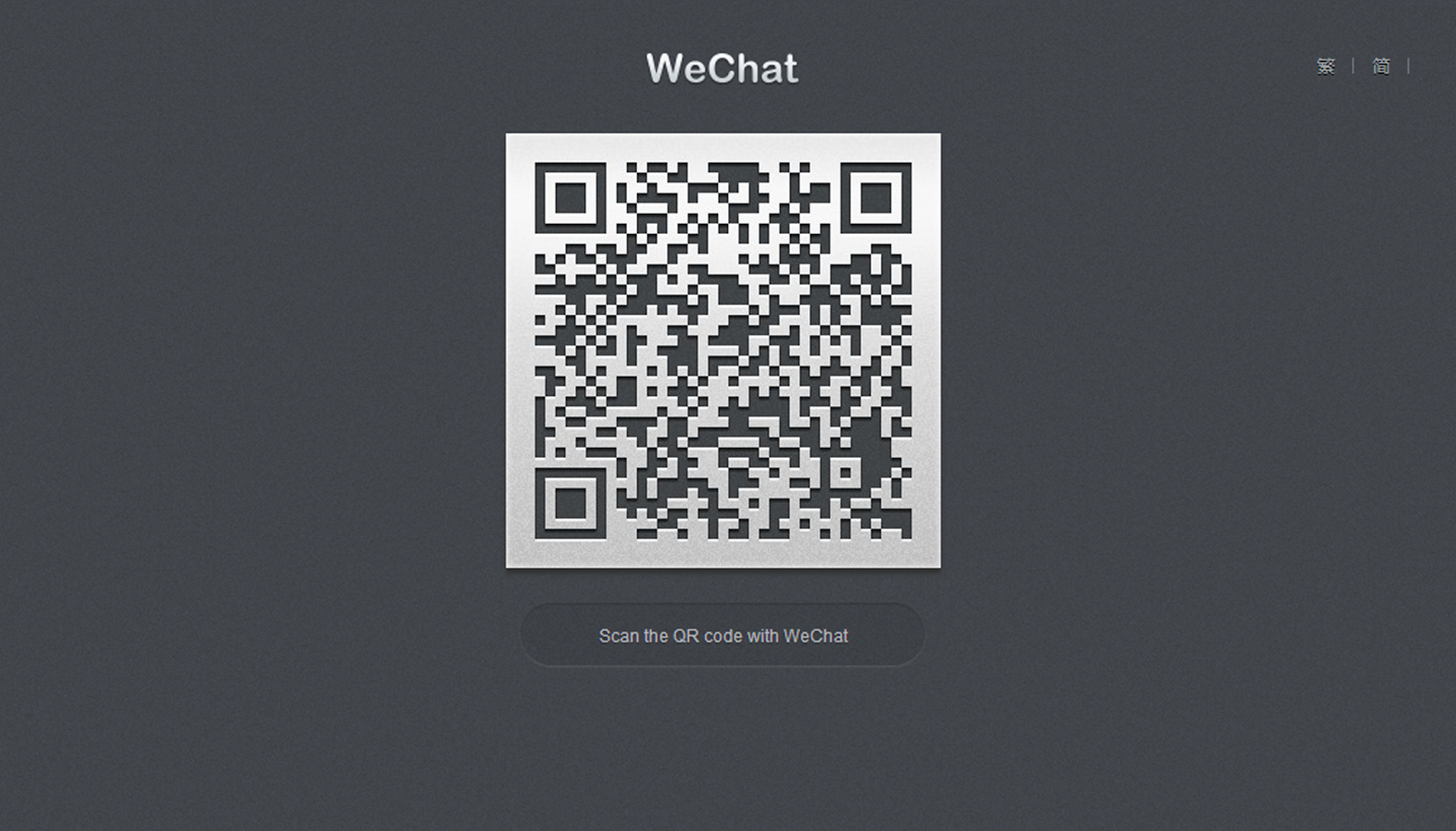
WeChat’s QR code system transcends conventional digital interaction, embedding itself as a seamless bridge between physical and virtual ecosystems. Since its introduction, QR codes in WeChat have evolved from simple contact-sharing tools into a multi-functional utility, powering transactions, identity verification, and automated services. The platform’s integration of QR codes—supported by a robust technical infrastructure—has redefined how businesses and individuals engage in China and globally. With over 1.3 billion monthly active users (as of 2023), WeChat’s QR code ecosystem processes billions of transactions annually, making it a cornerstone of digital infrastructure in daily life.
The versatility of WeChat QR codes lies in their ability to adapt to diverse use cases, from micro-payments to event check-ins, while maintaining high security and scalability. Unlike static barcodes, WeChat’s dynamic QR codes enable real-time updates, personalized content delivery, and analytics tracking, aligning with the platform’s broader mission to streamline digital interactions. This section explores the core functionalities, adoption metrics, and technical underpinnings that position WeChat QR codes as a global benchmark for offline-to-online integration.

Primary Use Cases and Functional Diversification of WeChat QR Codes
WeChat QR codes serve as a versatile toolkit for both individual users and enterprises, addressing needs ranging from convenience to operational efficiency. Their applications can be categorized into five dominant domains: payments, social sharing, access control, business promotions, and service automation. Each use case leverages distinct QR code types—static, dynamic, or personalized—to optimize functionality. For instance, static QR codes (unchanging after generation) are ideal for one-time sharing, such as linking to a user’s WeChat profile, while dynamic QR codes (editable and trackable) dominate in e-commerce, where real-time inventory updates or promotional changes are critical. Personalized QR codes, often embedded with user-specific data (e.g., loyalty points or exclusive discounts), enhance customer engagement in retail and hospitality sectors.
The adoption of these use cases reflects WeChat’s dominance in China’s digital economy. QR code payments, for example, accounted for $1.3 trillion in transactions in 2022, surpassing cash usage in urban centers like Beijing and Shanghai. Meanwhile, social sharing via QR codes—such as adding friends or joining groups—remains a staple, with 68% of WeChat users scanning at least one QR code monthly (Tencent Data, 2023). Access control, another key application, is widely used in smart campuses, co-working spaces, and public transportation, where QR-based entry systems reduce physical contact and streamline authentication.
Technical Infrastructure: Encryption, Data Storage, and Real-Time Processing
WeChat’s QR code system operates on a high-security, low-latency infrastructure designed to handle massive scale while ensuring data integrity. At its core, the system employs AES-256 encryption for QR code generation and scanning, preventing unauthorized access or tampering. Each dynamic QR code is assigned a unique identifier linked to a secure database, enabling real-time updates without altering the visual code. Data storage leverages Tencent Cloud’s distributed architecture, ensuring redundancy and fault tolerance during peak usage periods, such as China’s Double 11 shopping festival, where QR code scans spike by 400% compared to average days.
The integration with WeChat’s mini-programs and official accounts further amplifies functionality. For example, a merchant’s mini-program can dynamically generate QR codes for limited-time offers, with each scan triggering a personalized discount or loyalty reward. Similarly, official accounts use QR codes to distribute digital brochures, event tickets, or membership passes, reducing reliance on physical media. Third-party services, such as logistics providers or government agencies, embed QR codes in their workflows for track-and-trace systems, where scanning a package or ID card retrieves real-time status updates.
Comparison: WeChat QR Codes vs. Alternatives on Alipay, LINE, and WhatsApp
While QR codes are ubiquitous across messaging and payment platforms, WeChat’s implementation stands out in scalability, integration depth, and ecosystem lock-in. Below is a comparative analysis of key platforms:
| Feature | Alipay | LINE (Japan/Thailand) | ||
|---|---|---|---|---|
| Primary Use Cases | Payments, social sharing, access control, mini-programs, business automation | Payments, e-wallets, merchant check-ins | Social sharing, limited payments (Japan), event tickets | Social messaging, limited business tools (e.g., WhatsApp Business API) |
| QR Code Types | Static, dynamic, personalized (with analytics) | Static, dynamic (payment-focused) | Static (social), dynamic (event-based) | Static (profile links), dynamic (via third-party APIs) |
| Integration with Ecosystem | Mini-programs, official accounts, third-party APIs, government services | Alipay Wallet, Taobao, offline retail partnerships | LINE Pay, LINE Official Accounts | WhatsApp Business API, limited third-party tools |
| Security Measures | AES-256 encryption, biometric authentication, real-time fraud detection | End-to-end encryption for payments, facial recognition | Basic encryption, limited fraud tools | End-to-end encryption (messages), minimal QR-specific security |
| User Adoption (Monthly Active QR Users) | 1.3B+ (China-focused, global expansion) | 1B+ (China-focused) | 100M+ (Regional) | 2B+ (Global, but QR usage <10%) |
| Real-Time Analytics | Scan location, device type, user demographics, conversion tracking | Transaction volume, merchant performance | Basic scan counts | Limited (via API) |
WeChat’s advantage lies in its closed-loop ecosystem, where QR codes function as both a transactional tool and a social connector. Alipay, while dominant in payments, lacks WeChat’s depth in non-financial applications, such as access control or mini-program interactions. LINE’s QR codes are primarily social or event-driven, lacking the business automation capabilities of WeChat. WhatsApp, despite its global reach, offers minimal native QR functionality, relying on third-party integrations for basic use cases like profile sharing.
Key Milestones in WeChat QR Code Evolution
WeChat’s QR code system has undergone significant transformations since its 2011 launch, aligning with the platform’s broader expansion into fintech, social commerce, and smart services. Below is a timeline of pivotal developments:
- 2011 (Launch): Introduction of static QR codes for profile sharing and contact addition, leveraging WeChat’s early social networking focus.
- 2013 (Dynamic QR Codes): Rollout of editable QR codes, enabling businesses to update links without regenerating the code. Used initially for event promotions and group invitations.
- 2015 (WeChat Pay Integration): QR codes became the primary payment method for WeChat Pay, replacing traditional mobile wallets. This milestone marked the shift toward cashless transactions, particularly in offline retail.
- 2017 (Mini-Programs): QR codes were embedded into WeChat mini-programs, allowing instant access to services like food delivery (Meituan), ride-hailing (Didi), or government portals. This integration reduced friction for users transitioning between offline and online services.
- 2019 (Personalized QR Codes): Introduction of customizable QR codes with brand logos, colors, and analytics dashboards. Used extensively in retail loyalty programs and corporate marketing.
-
2020 (Health Code Integration): During the COVID-19 pandemic, WeChat QR codes were repurposed for
WeChat QR Codes for Business: Marketing, Sales, and Customer Engagement Strategies
WeChat QR codes serve as a bridge between offline interactions and digital engagement, offering businesses a dynamic tool to capture attention, drive conversions, and foster loyalty. Unlike static marketing channels, QR codes enable real-time data collection, instant transactions, and personalized experiences—all while leveraging WeChat’s 1.3+ billion monthly active users. For businesses, the integration of QR codes into marketing, sales, and customer engagement strategies transforms passive audiences into active participants, turning fleeting offline moments into lasting digital relationships. The versatility of WeChat QR codes lies in their ability to adapt to diverse business models, from brick-and-mortar stores to e-commerce platforms. Whether used for lead generation, proximity-based promotions, or seamless payments, QR codes eliminate friction in the customer journey. This section explores actionable strategies for businesses to harness QR codes effectively, from generation and customization to advanced analytics, while highlighting global case studies and WeChat’s native features like "Shake" and Pay integration.Generating and Customizing WeChat QR Codes for Businesses
Creating a WeChat QR code begins with accessing WeChat Official Accounts or third-party tools, such as WeChat Official Account Platform (mp.weixin.qq.com), Tencent Cloud’s QR Code API, or specialized platforms like QR Code Monkey or Beaconstac. For businesses, the process involves selecting the QR code type—static (e.g., linking to a menu or product page) or dynamic (e.g., time-limited promotions)—and customizing its appearance, including colors, logos, and shapes, to align with branding. The WeChat Official Account Platform allows businesses to generate QR codes directly from the account management interface under the "QR Code" tab, where options include: - Menu QR Code: Directs users to the official account’s menu for easy navigation.
- Subscription QR Code: Encourages users to scan and subscribe to updates.
- Custom Link QR Code: Redirects to specific URLs, such as product pages or loyalty program sign-ups.
- Red Packet QR Code: Facilitates digital red envelope transactions for promotions or incentives. Third-party tools often provide additional features, such as batch generation, expiry settings, and analytics dashboards. For example, Tencent Cloud’s QR Code API enables businesses to integrate QR code generation into their existing systems, while tools like Beaconstac offer geofencing capabilities, allowing QR codes to activate only when scanned within a designated area. Customization extends beyond aesthetics; businesses can also embed UTM parameters to track campaign sources or deep links to guide users to specific app sections, such as a mini-program’s checkout page.
- Contextual Placement: Position QR codes where they are most relevant, such as near checkout counters for impulse purchases or on product labels for instant access to tutorials.
- Gamification: Offer scan-and-win contests, where users who scan QR codes multiple times within a week enter raffles for discounts or freebies.
- Limited-Time Offers: Use dynamic QR codes that expire after a promotion ends, creating urgency (e.g., "Scan within 24 hours for 50% off").
- Multi-Channel Synergy: Combine QR codes with social media teaser posts or influencer collaborations to amplify reach. For example, a restaurant might partner with a local food blogger to feature a QR code on their Instagram Story, directing followers to a reservation link. In-store placements should prioritize high-traffic zones, such as near cash registers or entrances, while ensuring the QR code is large enough (minimum 2x2 cm) and high-contrast for easy scanning. Businesses can also experiment with interactive QR codes, such as those that reveal hidden content when scanned with specific angles or under UV light, adding a layer of intrigue.
- Subscription-Focused QR Codes: Link to an official account’s subscription page with a pre-filled welcome message (e.g., "Scan to join our VIP community and get early access to sales!").
- Product-Specific Landing Pages: Redirect users to mini-programs or mobile-optimized websites where they can request quotes, book demos, or download catalogs.
- Loyalty Program Enrollment: Offer exclusive perks (e.g., double points for first-time scans) to incentivize sign-ups. Brands like Meituan use QR codes to onboard new users into their food delivery loyalty program instantly.
- Event Registrations: For workshops or webinars, QR codes can link to WeChat Event registration pages, reducing no-shows by allowing attendees to RSVP and receive reminders via the official account. To maximize lead quality, businesses should segment QR code links based on audience intent. For instance, a retail store might use one QR code for general inquiries and another for wholesale partnership requests, ensuring leads are pre-qualified.
- Geotargeted QR Codes: Use location-based QR codes that only activate when scanned within a 50–100 meter radius of the business. Tools like Tencent Location Service (TLS) can help refine these triggers.
- Gamified Challenges: Encourage users to shake their phones to unlock rewards, such as a free item with purchase or entry into a draw.
- Cross-Promotions: Partner with nearby businesses to create mutual Shake campaigns. For example, a bookstore and café could collaborate, where shaking near either location reveals a joint discount.
- Real-Time Notifications: Integrate Shake with WeChat Push Messages to alert users when they’re near a participating business, even if they haven’t scanned a QR code yet. Businesses should test Shake campaigns during peak hours and monitor dwell time—the average time users spend near the QR code—to gauge interest. Data from Tencent’s Shake API can reveal patterns, such as which days or times yield the highest engagement, allowing for optimized scheduling.
- URLs are truncated and encoded using UTF-8 with URL-safe base64, ensuring compatibility with WeChat’s mini-program routing system.
- Text payloads are compressed using ZLIB deflate to reduce QR code size, with a maximum limit of 3,000 characters (uncompressed).
- Binary data (e.g., for file transfers or encrypted tokens) is chunked into 2953-byte segments, each encoded separately to maintain error resilience. 2. Reed-Solomon Error Correction WeChat QR codes employ Reed-Solomon (RS) error correction level H (30%), the highest among standard QR code versions. This allows recovery of up to 30% of damaged data, making them robust against physical wear or low-resolution scans. The error correction codewords are appended to the payload before generating the QR matrix. 3. QR Matrix Generation The encoded data is mapped onto a 29×29 grid (minimum version) or larger, depending on payload size. WeChat’s proprietary algorithm optimizes pixel density to 338 pixels per inch (PPI), exceeding the ISO/IEC 18004 standard (which specifies 21 PPI for error correction level H). This higher density improves scan accuracy on high-resolution devices while maintaining readability on older screens. 4. Decoding Process Upon scanning, WeChat’s mobile app decodes the QR matrix using a multi-threaded algorithm that parallelizes Reed-Solomon decoding. The payload is then decompressed and routed to the appropriate module (e.g., mini-program, payment gateway, or contact profile) based on a predefined WeChat URI scheme (e.g., `weixin://dl/external` for URLs or `weixin://wallet` for payments).
- Backend Redirection When a dynamic QR code is generated, it embeds a unique identifier (UUID) and a timestamp in its payload. The QR code itself contains a short-lived URL (e.g., `https://qrcode.weixin.qq.com/redirect?uuid=12345`) that points to WeChat’s redirection server. This server checks the UUID against a database to fetch the latest active URL, which could be a mini-program, promotional page, or payment link.
- Cache and TTL Management WeChat’s global CDN caches redirection responses with a Time-To-Live (TTL) of 1–24 hours, balancing latency and freshness. For high-traffic campaigns, the TTL can be dynamically adjusted via API calls. If the UUID expires (e.g., after a campaign ends), the server returns a 404 or custom fallback page, ensuring no stale links remain active.
- Audit Logs and Analytics Every scan of a dynamic QR code triggers a server-side log entry, recording the timestamp, device type, and user location. Businesses access these logs via the WeChat Open Platform, enabling real-time monitoring of engagement metrics such as scan-to-conversion rates or geographic heatmaps.
- Load Balancing Requests are routed through global Anycast DNS to the nearest WeChat data center, reducing latency. Each data center employs Kubernetes-based orchestration to dynamically scale QR code processing pods, with auto-scaling triggered at >500 scans/second per pod.
- Caching Layers
- Edge Caching: Static QR code images are cached at Cloudflare CDN nodes worldwide, reducing origin server load.
- Database Caching: Frequently accessed dynamic QR code metadata (e.g., UUID-to-URL mappings) is stored in Redis clusters, with a hit rate of >90% for active campaigns.
- Object Storage: Binary payloads (e.g., large files shared via QR codes) are stored in WeChat’s proprietary COS (Cloud Object Storage), with multi-region replication for redundancy.
- Fraud Prevention WeChat’s system detects and mitigates scan storms (e.g., automated bots scanning the same QR code repeatedly) using:
- Rate Limiting: IP-based throttling at 10 scans/minute for unknown devices.
- Behavioral Analysis: Machine learning models flag anomalies like unusually fast scans or geographically implausible locations.
- CAPTCHA Integration: Dynamic QR codes linked to sensitive actions (e.g., high-value payments) trigger WeChat’s in-app CAPTCHA for verification.
- `app=miniProgram` specifies the target as a WeChat mini-program.
- `path` defines the entry page (e.g., `/pages/promotion`).
- `query` parameters pass data (e.g., `campaign_id=123`, `user_referral=true`). 2. Session Initialization Upon scanning, WeChat’s app:
- Checks if the mini-program is installed; if not, it prompts installation.
- Launches the mini-program and preserves the query parameters in the URL.
- Generates a temporary session token (valid for 72 hours) to maintain user context across scans. 3. Data Synchronization Mini-programs access the query parameters via: wx.onLaunch(function (res) { const query = res.query; // { campaign_id: "123", user_referral: "true" } wx.setStorageSync('initialData', query); }); Developers can extend this with server-side API calls to fetch additional user-specific data (e.g., loyalty points) using the `campaign_id`. 4. Post-Scan Tracking Mini-programs log QR code interactions via WeChat Analytics SDK, enabling businesses to track:
- Scan-to-install rates (for mini-programs).
- Time spent in mini-program after QR scan.
- Conversion events (e.g., purchases triggered by offline scans).
- QR Code Verification: Users receive a confirmation pop-up before scanning, warning them of potential risks.
- Transaction Limits: WeChat Pay caps single transactions (typically up to 20,000 RMB) and requires biometric authentication (Face ID or fingerprint) for large amounts.
- Dynamic QR Codes: For payments, WeChat generates single-use QR codes that expire after a scan, preventing reuse.
- Fraud Alerts: The platform flags suspicious activities, such as unusual locations or devices, and prompts users to verify transactions.
- Education Campaigns: WeChat regularly publishes security tips in its official accounts, advising users to avoid scanning QR codes from untrusted sources. Common scams include:
- Fake Merchant QR Codes: Scammers print or display counterfeit WeChat Pay QR codes to trick users into transferring money.
- Phishing Links: Malicious QR codes redirect users to fake login pages to steal credentials.
- Malware Distribution: Scanning infected QR codes may install spyware or ransomware on devices. Users are advised to only scan QR codes from verified sources and check the merchant’s WeChat official account before transactions.
- Gamification: Scanning QR codes unlocked virtual badges or entry into prize draws, increasing repeat visits.
- Personalization: Dynamic QR codes adjusted content based on user profiles, such as past purchases or browsing history.
- Integration with Mini Programs: Customers could access product reviews, compare prices, and even order online for in-store pickup via WeChat Mini Programs triggered by QR scans.
- 30% faster order placement during peak hours, as QR scans bypassed manual input.
- 20% reduction in order cancellation rates, attributed to clearer communication via in-app notifications triggered by QR interactions.
- Improved delivery accuracy, as dynamic QR codes linked orders to specific delivery personnel, reducing misassignments. Meituan’s strategy involved:
- Real-time updates: Customers received order status notifications via WeChat, including estimated delivery times and driver locations.
- Loyalty incentives: Scanning QR codes at partner restaurants unlocked exclusive discounts or free delivery coupons.
- Feedback loops: Post-delivery QR codes allowed customers to rate their experience directly, with ratings influencing restaurant rankings and promotions.
- Register and purchase tickets instantly, reducing wait times at check-in.
- Access personalized schedules based on their interests, synced to WeChat calendars.
- Provide real-time feedback via post-session QR scans, which populated a live dashboard for organizers. The event saw:
- 90% reduction in registration processing time, as QR scans eliminated manual data entry.
- 45% increase in attendee engagement, with 78% of participants using QR-linked features during the event.
- Actionable insights from post-event surveys, where 82% of feedback was submitted via QR codes, compared to 30% via traditional forms. Strategic elements included:
- Tiered access: Different QR codes granted access to VIP lounges, workshops, or networking sessions.
- Networking tools: QR codes on name tags enabled attendees to exchange WeChat IDs instantly, fostering connections.
- Sponsor integration: Brands received dedicated QR codes to track engagement with their booths, measuring ROI through scan data.
- Track shipments in real time via scan notifications.
- Receive automated delivery confirmations without manual signatures.
- Initiate returns or complaints by scanning a QR code on the package label. The implementation led to:
- 25% improvement in delivery efficiency, as automated confirmations reduced administrative workload.
- 15% reduction in lost packages, thanks to GPS-linked QR codes that alerted drivers to high-risk areas.
- Enhanced customer trust, with 65% of users opting for QR-based tracking over traditional SMS updates. Key innovations included:
- Smart lockers: Customers scanned QR codes to retrieve packages from automated lockers without staff intervention.
- Damage reporting: Scanning a QR code on a damaged package triggered an instant claim process, with photos uploaded via WeChat.
- Driver performance metrics: QR scans at delivery points provided data on route optimization and service quality.
- Community entrances for instant health declarations and temperature checks.
- Hospital gates to bypass manual registration, reducing wait times.
- Public transit hubs to verify vaccination status or negative test results. The program achieved:
- 80% reduction in physical contact during service interactions.
- 95% compliance rate for digital health records, compared to 40% for paper-based systems.
- Real-time outbreak tracking, as QR scan data identified high-risk areas within hours. Strategic applications included:
- Emergency alerts: QR codes in subway stations linked to evacuation routes and shelter locations.
- Subsidy disbursements: Low-income families scanned QR codes to access cash transfers directly in their WeChat wallets.
- Traffic management: Drivers scanned QR codes at checkpoints to pay tolls or report violations without stopping.
- Retail: A QR code on a clothing tag could display a virtual model wearing the outfit in different styles.
- Education: Museum exhibits might use QR codes to overlay historical context or animations onto artifacts.
- Real Estate: Open-house QR codes could project 3D walkthroughs of properties. WeChat’s partnership with ARKit (Apple) and ARCore (Google) could accelerate this, though latency and device compatibility remain hurdles. Early adopters like Alibaba’s Taobao Live have used AR for virtual shopping, but WeChat’s QR-centric approach could democratize AR access, especially in markets where smartphone AR adoption is still growing.
- Supply Chain: QR codes on shipped goods could log every handler’s biometric verification, preventing counterfeiting.
- Healthcare: Medical records accessed via QR codes might use blockchain to verify patient consent and data integrity.
- Voting: Local elections in China have tested blockchain-voting systems; QR codes could serve as secure ballot access points. WeChat’s parent company, Tencent, has invested in blockchain infrastructure, and its WeChat Pay already uses encrypted transactions. However, scalability and regulatory alignment (e.g., China’s Personal Information Protection Law) will dictate adoption speed.
- Smart Homes: A QR code on a light switch could sync with WeChat to adjust lighting based on a user’s schedule, with voice commands processed via WeChat AI.
- Industrial IoT: Factory equipment might use QR codes for maintenance logs, where technicians scan codes to pull up repair histories or order parts automatically.
- Healthcare: Wearable devices could use QR codes for seamless data sync with WeChat’s health records, triggering alerts for anomalies. Cross-border transactions present another frontier. WeChat Pay’s QR codes already support international remittances (e.g., to Southeast Asia), but future advancements could include multi-currency QR codes that auto-convert payments or regulatory-compliant cross-border identity verification. For instance, a QR code could facilitate a Thai tourist’s payment in China while dynamically complying with both countries’ anti-money laundering (AML) laws. WeChat’s global expansion into markets like Brazil and Mexico will depend on such innovations, though partnerships with local banks (e.g., Caixa in Brazil) will be essential.
- Opt-in Consent: QR codes triggering data collection (e.g., for loyalty programs) may need explicit user consent.
- Data Localization: Some regions may mandate that QR code transaction data be stored locally, complicating cross-border use.
- Child Protection: QR codes in educational apps might face stricter age-verification requirements. WeChat’s approach will likely involve modular compliance, where QR code functionalities are region-specific. For example, a QR code in the EU might disable biometric payments by default but enable them in China. Tencent has already adjusted WeChat features for global markets (e.g., removing Moments in some regions), and QR codes will follow this trend.
Offline-to-Online Marketing Campaigns Using WeChat QR Codes
The power of WeChat QR codes in O2O (offline-to-online) marketing lies in their ability to turn physical touchpoints into digital interactions. Campaigns leverage QR codes on flyers, posters, business cards, packaging, and in-store displays to drive immediate engagement. For instance, Starbucks China uses QR codes on cup sleeves to unlock exclusive digital coupons or enter loyalty program tiers, while Uniqlo integrates them into mannequin displays to showcase seasonal collections via mini-programs. Key tactics for effective O2O campaigns include:Lead Generation Through WeChat QR Codes
WeChat QR codes are a potent tool for capturing leads by directing users to subscription forms, product demos, or loyalty sign-ups. Unlike traditional forms, QR codes reduce the steps between interest and action, increasing conversion rates. For example, a real estate agency might place a QR code on a "For Sale" sign to link directly to a virtual property tour via a mini-program, while a B2B service provider could use it to route prospects to a gated whitepaper download. Strategies for lead generation include:Proximity Marketing with WeChat’s "Shake" Feature
WeChat’s "Shake" feature enables proximity-based marketing by allowing users to virtually "shake" their phones to discover nearby businesses, friends, or promotions. When integrated with QR codes, this creates a hyper-local engagement strategy where businesses can trigger actions when potential customers are in close vicinity. For example, a coffee shop might place a QR code on its window linking to a Shake-enabled mini-program; when a user shakes their phone nearby, the shop’s profile appears, along with a limited-time discount for same-day visits. Optimizing Shake for foot traffic involves:Creative Global Applications of WeChat QR Codes
WeChat QR codes have been adopted globally in innovative ways, from art exhibitions to agricultural markets. Below is a table showcasing 10 creative use cases across industries, along with real-world examples:| Industry | Use Case | Example | Business Benefit | ||||||||||||||||||||||||||||||||||||||||||||||||||||||||||||||||||
|---|---|---|---|---|---|---|---|---|---|---|---|---|---|---|---|---|---|---|---|---|---|---|---|---|---|---|---|---|---|---|---|---|---|---|---|---|---|---|---|---|---|---|---|---|---|---|---|---|---|---|---|---|---|---|---|---|---|---|---|---|---|---|---|---|---|---|---|---|---|
| Retail | Augmented Reality (AR) Try-On | Zara China – QR codes on clothing tags link to an AR mini-program where users can "try on" outfits virtually before purchasing. | Reduces returns by
Technical Deep Dive: How WeChat QR Codes Work Behind the ScenesWeChat QR codes serve as a seamless bridge between offline interactions and digital engagement, but their functionality relies on sophisticated technical architecture. Behind their user-friendly facade lies a layered system of cryptographic security, dynamic data encoding, and scalable server infrastructure. This section dissects the inner workings of WeChat’s QR code mechanism, from the cryptographic protocols safeguarding transactions to the real-time dynamic updates that redefine offline-to-online integration. Understanding these technical nuances is critical for businesses and developers leveraging WeChat QR codes to optimize performance, security, and user experience.Cryptographic Protocols Securing WeChat QR Code TransactionsWeChat implements a multi-layered cryptographic framework to protect data transmitted via QR codes, particularly for financial transactions, authentication, and sensitive information exchange. The system integrates AES-256 (Advanced Encryption Standard) for symmetric encryption and RSA-2048 for asymmetric key exchange, ensuring end-to-end security. When a user scans a QR code linked to a payment or authentication process, the data payload is encrypted using a session key derived from the user’s WeChat device ID and a server-side nonce (number used once). This key is dynamically generated and discarded after use, preventing replay attacks. For transactional QR codes (e.g., those used in WeChat Pay), an additional layer of HMAC-SHA256 (Hash-based Message Authentication Code) is applied to verify data integrity. The protocol also enforces TLS 1.2+ for all server communications, ensuring that even the initial handshake between the QR code and WeChat’s backend is secure. WeChat’s infrastructure further employs quantum-resistant cryptographic primitives in development, anticipating future threats to classical encryption methods.Data Encoding and Decoding Mechanisms in WeChat QR CodesWeChat QR codes utilize a hybrid encoding model that supports three primary data formats: URLs, plain text, and binary data. The encoding process follows a structured pipeline: 1. Payload PreparationDynamic QR Codes: Real-Time Updates Without Code ReplacementWeChat’s dynamic QR codes revolutionize offline marketing by allowing link updates without redistributing physical codes. This functionality relies on a server-side redirection mechanism and a timestamp-based validation system:Server-Side Infrastructure for Mass QR Code ScansWeChat’s ability to handle millions of concurrent QR code scans (e.g., during events like Singles’ Day) depends on a distributed microservices architecture:Interaction Between WeChat QR Codes and Mini-ProgramsWeChat QR codes serve as a gateway to mini-programs, enabling seamless data transfer between offline scans and digital sessions. The integration follows this workflow: 1. Payload Construction A QR code linking to a mini-program includes a custom URI in the format: weixin://dl/external/?app=miniProgram&path=/pages/index&query=key1=value1&key2=value2Limitations and Technical Constraints of
|
| Scenario | WeChat QR Code Payment | Traditional Cash | Credit/Debit Card | ||||||||||||||||||||||||||||||||||||||||||||||||||||||
|---|---|---|---|---|---|---|---|---|---|---|---|---|---|---|---|---|---|---|---|---|---|---|---|---|---|---|---|---|---|---|---|---|---|---|---|---|---|---|---|---|---|---|---|---|---|---|---|---|---|---|---|---|---|---|---|---|---|
| Taxi Rides | Scan QR code in seconds; no change handling; digital receipts. | Physical cash exchange; risk of incorrect change; no receipts. | Contactless cards supported but require terminal; still slower than QR. | ||||||||||||||||||||||||||||||||||||||||||||||||||||||
| Street Vendors |
Case Studies: Success Stories and Innovative Applications of WeChat QR CodesWeChat QR codes have transformed industries by bridging offline and online interactions, enabling businesses and organizations to streamline operations, enhance user experiences, and drive measurable growth. From retail promotions to government services, their versatility has led to innovative applications that redefine efficiency and engagement. Below are real-world implementations across sectors, highlighting strategies, outcomes, and key takeaways for businesses and institutions aiming to leverage QR technology effectively.Retail Chain Boosts Sales by 40% with In-Store WeChat QR Code PromotionsSuning, China’s largest retail chain, integrated WeChat QR codes into its in-store promotions to create a seamless omnichannel shopping experience. By placing dynamic QR codes on product shelves, digital coupons, and loyalty program sign-ups, Suning enabled customers to scan and redeem offers instantly via their smartphones. The campaign included limited-time discounts, personalized recommendations based on purchase history, and exclusive pre-sale access for WeChat subscribers. The results were striking: within six months, Suning reported a 40% increase in in-store sales driven by QR-based promotions, alongside a 25% rise in customer retention. The QR codes also facilitated real-time data collection, allowing Suning to refine its marketing strategies by analyzing customer behavior patterns. For instance, peak scanning times aligned with lunch hours, prompting targeted lunch specials that further drove foot traffic. Key strategies included:Food Delivery Service Cuts Order Times and Enhances Satisfaction with Dynamic QR CodesMeituan, China’s dominant food delivery platform, deployed dynamic WeChat QR codes to reduce order processing times and improve customer satisfaction. Traditional order methods often involved manual entry or phone calls, leading to delays and errors. By integrating QR codes into restaurant menus, delivery personnel uniforms, and promotional materials, Meituan enabled customers to scan and place orders directly through WeChat. The implementation resulted in:Event Organizer Streamlines Registrations and Feedback with WeChat QR CodesTEDxBeijing utilized WeChat QR codes to manage registrations, ticketing, and real-time feedback for its 2022 conference, attended by over 5,000 participants. Traditional paper-based systems were replaced with dynamic QR codes embedded in promotional materials, emails, and on-site signage. Attendees scanned codes to:Logistics Company Optimizes Supply Chain with QR-Based Tracking and AutomationSF Express, China’s largest express delivery company, adopted WeChat QR codes to transform its supply chain operations. By attaching dynamic QR codes to packages and integrating them with WeChat Mini Programs, SF Express enabled customers to:Local Government Enhances Contactless Services with WeChat QR CodesThe Shanghai Municipal Government deployed WeChat QR codes to digitize public services during the COVID-19 pandemic, enabling contactless health check-ins, digital ID verification, and emergency notifications. Citizens scanned QR codes at:Comparative Impact of WeChat QR Codes Across IndustriesThe adoption of WeChat QR codes varies significantly by industry, with measurable impacts on efficiency, engagement, and revenue. Below is a comparative analysis of key sectors:
|
Leave a Comment
Comments are moderated before appearing. The data you submit is processed according to the Privacy Policy of Nubsnob Michigan Digital.